
Last updated: July 21, 2025
 Stretching 200 kilometers along Catalonia’s northeastern coast, Costa Brava—literally “Wild Coast”—lives up to its dramatic name with rugged cliffs plunging into crystalline Mediterranean waters, medieval villages perched on rocky promontories, and hidden coves accessible only by foot or boat. This extraordinary coastline represents the Mediterranean at its most authentic and unspoiled, where centuries-old fishing traditions coexist with modern beach culture while maintaining the wild beauty that inspired Salvador Dalí and continues captivating travelers seeking genuine Spanish coastal experiences.From the artistic village of Cadaqués where Dalí found his muse to the party beaches of Lloret de Mar where international youth celebrate summer freedom, Costa Brava offers remarkable diversity within a relatively compact area that can be explored by car, public transport, or coastal hiking trails. Each bay and village reveals different aspects of Mediterranean life, from secluded naturist beaches and traditional fishing harbors to luxury beach clubs and ancient Greek ruins that tell stories spanning over 2,500 years of coastal civilization. 🌊
The Wild Coast Legacy: History and Natural Beauty 🏛️
 Costa Brava’s dramatic landscape results from millions of years of geological forces that created the rugged coastline of granite cliffs, pine forests, and protected coves that define the region’s character. The name “Costa Brava,” coined by journalist Ferran Agulló in 1908, captures the untamed essence of this coastline where the Pyrenees mountains meet the Mediterranean Sea in spectacular fashion.
Human settlement along Costa Brava dates back over 2,500 years, with Greek and Roman ruins scattered throughout the region testifying to its strategic importance in ancient Mediterranean trade networks. Medieval fortifications in towns like Tossa de Mar and Pals reveal the coast’s turbulent history of pirate raids and territorial conflicts, while traditional fishing villages like Calella de Palafrugell preserve authentic maritime culture that has sustained local communities for centuries. 🏰
The region’s modern tourism development began in the 1960s when international visitors discovered Costa Brava’s pristine beaches and affordable accommodations, though careful planning has preserved much of the coastline’s natural beauty while providing contemporary amenities. This balance between development and conservation creates opportunities for authentic cultural experiences alongside world-class beach recreation in settings that maintain their essential Mediterranean character. ✨
Iconic Beach Towns: Coastal Gems and Unique Characters 🏘️
Cadaqués: Dalí’s Artistic Paradise
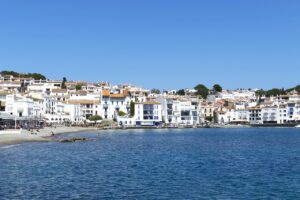
Cadaqués occupies a unique position in Costa Brava’s cultural landscape as the village that inspired Salvador Dalí’s surrealist vision while maintaining its authentic fishing village character. The town’s whitewashed houses cascade down hillsides to a perfect natural harbor where traditional fishing boats still moor alongside luxury yachts, creating visual compositions that seem designed for artistic inspiration.
The Salvador Dalí House-Museum in nearby Portlligat provides intimate insight into the artist’s life and creative process while the town itself functions as an outdoor gallery where every narrow street and seaside vista offers photographic opportunities. Cadaqués’ relative isolation—accessible only by a winding mountain road—has preserved its authentic character while creating an exclusive atmosphere that attracts artists, writers, and sophisticated travelers seeking refined Mediterranean experiences. 🎨
Tossa de Mar: Medieval Fortress by the Sea
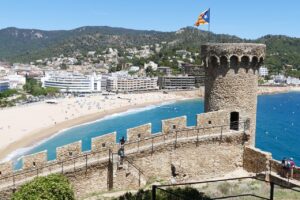
Tossa de Mar presents one of the Mediterranean’s most spectacular combinations of historical architecture and natural beauty, where 12th-century fortress walls crown cliffs overlooking pristine beaches and crystalline waters. The town’s medieval quarter, known as Vila Vella, contains narrow cobblestone streets, ancient churches, and defensive towers that transport visitors back to the age of Mediterranean maritime republics.
The main beach, Platja Gran, provides excellent swimming and sunbathing while smaller coves like Cala Pola offer more secluded experiences within walking distance of the historic center. Tossa’s combination of cultural significance, architectural beauty, and natural splendor makes it essential for understanding Costa Brava’s unique blend of history and coastal recreation. 🏰
Lloret de Mar: Vibrant Resort Culture
Lloret de Mar represents Costa Brava’s most energetic resort destination, where expansive beaches, modern accommodations, and vibrant nightlife create comprehensive vacation experiences that attract millions of international visitors annually. The town successfully balances party atmosphere with family-friendly amenities while maintaining connections to its fishing village heritage through preserved historical sites and traditional festivals.
Beyond the beach clubs and entertainment venues, Lloret offers hiking trails to hidden coves, cultural attractions including modernist architecture and botanical gardens, and excellent dining options that showcase both international cuisine and traditional Catalonian specialties. The town demonstrates how tourism development can create economic prosperity while providing diverse recreational opportunities for varied visitor interests. 🎉
Hidden Coves and Secret Beaches: Nature’s Masterpieces 🏝️
Cala Macarelleta: Pristine Paradise
Cala Macarelleta exemplifies Costa Brava’s most spectacular hidden beaches, where turquoise waters lap against white sand in a setting framed by pine-covered cliffs and granite rock formations. This small cove, accessible only by hiking trail or boat, maintains its pristine character through limited access and natural protection that prevents overdevelopment while preserving exceptional natural beauty.
The beach’s crystal-clear waters provide excellent snorkeling opportunities while the surrounding landscape offers hiking trails that connect to other secluded coves and viewpoints. Visitors should bring supplies as no commercial facilities exist, creating opportunities for peaceful beach experiences that connect directly with Mediterranean nature without commercial interruption. 🐠
Sa Tuna: Traditional Fishing Village Charm
Sa Tuna preserves the authentic atmosphere of traditional Costa Brava fishing villages where colorful boats rest on pebble beaches beside whitewashed houses that seem unchanged by decades of tourism development. This tiny hamlet near Begur offers intimate encounters with local maritime culture while providing access to excellent seafood restaurants and peaceful swimming in protected waters.
The village’s small scale and traditional character create opportunities for understanding authentic Mediterranean coastal life while scenic hiking trails connect Sa Tuna to other hidden beaches and viewpoints along the rugged coastline. The combination of cultural authenticity and natural beauty makes Sa Tuna essential for experiencing Costa Brava’s most genuine coastal character. ⚓
Cala Montjoi: Secluded Wilderness
Cala Montjoi, famous as the location of the legendary El Bulli restaurant, offers one of Costa Brava’s most spectacular wilderness beach experiences where pristine nature and culinary history intersect in dramatic coastal settings. The remote location, accessible only by hiking trail, ensures peaceful experiences while the bay’s protected status preserves exceptional natural beauty and marine ecosystems.
The beach’s clear waters and rocky shoreline provide excellent opportunities for swimming, snorkeling, and underwater exploration while surrounding hiking trails offer access to Cap de Creus Natural Park’s unique landscapes and wildlife viewing opportunities. Cala Montjoi demonstrates how remote locations can provide transformative natural experiences that justify the effort required to reach them. 🦅
Medieval Villages: Stone Streets and Timeless Beauty 🏘️
Pals: Perfectly Preserved Medieval Gem
Pals stands as one of Spain’s most beautifully preserved medieval villages, where golden stone buildings, narrow archways, and ancient towers create an atmospheric journey through centuries of Catalonian history. The village’s elevated position provides panoramic views across the Empordà plain to the Mediterranean while its carefully maintained architecture demonstrates successful historical preservation that maintains authentic character.
The village’s stone streets lead to hidden squares, ancient churches, and viewpoints that provide constantly changing perspectives on the surrounding landscape. Pals’ commitment to historical authenticity, combined with excellent restaurants and artisan shops, creates comprehensive cultural experiences that satisfy both historical curiosity and contemporary comfort while maintaining intimate village scale. 🏛️
Begur: Hilltop Elegance and Coastal Access
Begur combines hilltop village charm with access to some of Costa Brava’s most beautiful beaches, creating unique opportunities for experiencing both cultural heritage and natural beauty within a single destination. The town’s medieval castle ruins provide dramatic viewpoints while narrow streets contain excellent restaurants, boutique shops, and cultural venues that maintain authentic local character.
The surrounding coastline includes several pristine beaches accessible by hiking trails or scenic drives that reveal new coastal vistas around every curve. Begur’s position as both cultural center and gateway to natural attractions makes it ideal for visitors seeking comprehensive Costa Brava experiences that combine historical exploration with beach recreation and outdoor activities. ⛰️
Calella de Palafrugell: Coastal Village Authenticity
Calella de Palafrugell preserves the authentic atmosphere of traditional Costa Brava fishing villages while providing modern amenities and cultural attractions that enhance rather than compromise its essential character. The village’s beaches, framed by traditional white houses and pine trees, create perfect Mediterranean settings while maintaining active fishing culture and community life.
Annual events including the Habaneras Festival celebrate the village’s maritime heritage and cultural connections to Cuba, demonstrating how traditional communities maintain cultural vitality while welcoming international visitors. The combination of authentic culture, beautiful beaches, and excellent dining makes Calella essential for understanding genuine Costa Brava coastal life. 🎵
Outdoor Adventures: Land and Sea Exploration 🚶♀️
Coastal Hiking Trails: Camí de Ronda
The Camí de Ronda (Coastal Path) provides one of Europe’s most spectacular hiking experiences, following ancient smugglers’ routes along Costa Brava’s entire coastline through landscapes that encompass dramatic cliffs, hidden beaches, pine forests, and traditional villages. This network of interconnected trails allows for day hikes or multi-day coastal expeditions that reveal the region’s natural diversity and cultural heritage.
Different sections offer varied difficulty levels and scenic highlights, from gentle walks between beach towns to challenging cliff-top routes that require navigation skills and proper equipment. The trail system provides access to otherwise inaccessible beaches and viewpoints while creating opportunities for wildlife observation and botanical discovery in protected natural areas. 🥾
Water Sports and Marine Activities
Costa Brava’s clear waters, favorable winds, and diverse coastal topography create ideal conditions for comprehensive water sports experiences ranging from beginner-friendly activities to advanced marine adventures. Kayaking opportunities include guided tours through sea caves and around offshore islands, while sailing schools and charter operators provide access to both recreational sailing and competitive racing.
Diving centers throughout the region offer courses for all skill levels while advanced divers can explore underwater archaeological sites, marine reserves, and dramatic underwater topography including caves, walls, and artificial reefs. The Medes Islands Marine Reserve provides some of the Mediterranean’s best diving with exceptional visibility and marine biodiversity. 🤿
Cycling Routes and Mountain Adventures
Inland Costa Brava offers excellent cycling opportunities through varied terrain that includes coastal plains, rolling hills, and mountain climbs that provide panoramic views and cultural discoveries. The region’s extensive network of cycling routes accommodates all skill levels while connecting coastal destinations with inland villages, natural parks, and historical sites.
Mountain biking trails through the Gavarres and Les Guilleries natural parks provide challenging terrain and wildlife viewing opportunities while road cycling routes connect medieval villages and offer access to viewpoints and cultural attractions. Bike rental and tour services in major towns provide equipment and guidance for both recreational and serious cycling adventures. 🚴♀️
Culinary Excellence: Mediterranean Flavors and Local Specialties 🦐
Traditional Catalonian Coastal Cuisine
Costa Brava’s culinary heritage reflects its position between land and sea, where traditional fishing village recipes combine fresh seafood with inland agricultural products to create distinctive regional specialties that remain largely unchanged by tourism development. Local dishes include suquet de peix (fish stew), escudella i carn d’olla (traditional soup), and pa amb tomàquet (bread with tomato) that demonstrate how simple ingredients create extraordinary flavors.
Traditional cooking methods including grilling over vine wood, slow-cooking in clay pots, and preserving seafood in salt maintain connections to historical practices while local restaurants continue serving recipes passed down through generations of coastal families. These culinary traditions provide authentic cultural experiences while supporting local fishing and agricultural communities. 🍲
Michelin-Starred Innovation and Culinary Evolution
Costa Brava has achieved international culinary recognition through innovative restaurants that reinterpret traditional regional ingredients using contemporary techniques and creative presentations. The region’s most famous culinary legacy, El Bulli, established Costa Brava as a global gastronomic destination while inspiring a generation of local chefs who continue pushing culinary boundaries.
Current Michelin-starred establishments throughout the region demonstrate how traditional Catalonian cuisine can evolve while maintaining connections to local ingredients and cultural identity. These restaurants often feature tasting menus that showcase seasonal specialties while providing educational opportunities for understanding regional culinary heritage and contemporary innovation. ⭐
Local Markets and Food Experiences
Weekly markets in towns throughout Costa Brava provide opportunities for direct encounters with local producers while demonstrating the agricultural and maritime abundance that supports the region’s culinary excellence. Markets feature fresh seafood, local fruits and vegetables, artisanal cheeses, and traditional preserves while creating social environments where locals and visitors interact naturally.
Cooking classes, wine tastings, and food tours offer structured opportunities for culinary learning while fishing excursions and farm visits provide behind-the-scenes access to local food production. These experiences create deeper understanding of regional culture while supporting local economies and traditional practices. 🛒
Transportation and Access: Reaching Paradise 🚗
From Barcelona: Multiple Options
Costa Brava’s proximity to Barcelona (50-150 kilometers depending on destination) makes it easily accessible for day trips or extended coastal explorations. Direct bus services from Barcelona’s Estació del Nord reach major Costa Brava destinations in 1.5-2.5 hours while providing economical transportation that connects seamlessly with local transit systems.
Train services to Girona connect with local buses that serve coastal towns, though car rental provides maximum flexibility for exploring hidden beaches and small villages not accessible by public transport. The scenic drive along coastal roads reveals constantly changing vistas while providing freedom to discover secluded locations and adjust itineraries based on weather and personal preferences. 🚌
Regional Transportation Networks
Local bus networks connect all major Costa Brava destinations while seasonal services provide access to beaches and hiking trails during summer months. Many routes operate reduced schedules during winter, requiring advance planning for off-season visits. Bicycle rental and taxi services supplement public transportation while boat services connect some coastal destinations during summer season.
Walking between nearby villages and beaches often provides the most rewarding transportation experiences, revealing coastal landscapes and cultural details impossible to appreciate from vehicles. The Camí de Ronda coastal path creates continuous walking connections along the entire coastline for adventurous travelers seeking comprehensive exploration. 🚶♂️
Girona Airport and International Access
Girona-Costa Brava Airport provides direct international access with budget airlines serving major European cities while shuttle services connect the airport to coastal destinations. The airport’s proximity to major Costa Brava towns (30-60 minutes) makes it convenient for international visitors while avoiding Barcelona’s crowds and transportation complications.
Car rental services at the airport provide immediate access to coastal exploration while airport shuttles and bus connections offer public transport alternatives. The airport’s manageable size and efficient services create pleasant arrival experiences that set positive tones for Costa Brava holidays focused on relaxation and cultural discovery. ✈️
Seasonal Experiences: Year-Round Coastal Beauty 🌞
Summer Peak Season: Beach Paradise
Summer transforms Costa Brava into a beach paradise where warm Mediterranean waters, abundant sunshine, and lively cultural programming create optimal conditions for classic seaside holidays. Beach temperatures reach 24-26°C while air temperatures average 28-30°C, providing perfect conditions for swimming, sunbathing, and water sports activities.
Summer programming includes music festivals, traditional celebrations, and outdoor cultural events that showcase regional heritage while beach clubs and restaurants extend operating hours to accommodate increased visitor activity. Advance booking becomes essential during July and August when accommodation demand peaks and popular beaches reach capacity during midday hours. ☀️
Shoulder Seasons: Ideal Exploration Conditions
May-June and September-October provide arguably the best Costa Brava experiences with comfortable temperatures, manageable crowds, and excellent conditions for both beach activities and cultural exploration. Water temperatures remain pleasant for swimming while air temperatures make hiking and sightseeing comfortable throughout the day.
Many visitors consider these months optimal for Costa Brava exploration as accommodation costs decrease while weather remains excellent for outdoor activities. Restaurant terraces and cultural venues provide relaxed atmospheres while beaches maintain their beauty without summer overcrowding. These seasons particularly suit visitors seeking authentic cultural experiences alongside natural beauty. 🍂
Winter Tranquility: Peaceful Coastal Discovery
Winter reveals Costa Brava’s most contemplative character where dramatic weather, peaceful beaches, and authentic local life create intimate experiences impossible during busy tourist seasons. While swimming becomes challenging for most visitors, the coastline’s natural beauty intensifies during winter storms while clear days provide exceptional visibility and photographic opportunities.
Many restaurants and cultural venues remain open with reduced hours, providing opportunities for authentic encounters with local communities while accommodation costs reach their lowest levels. Winter hiking conditions can be excellent while indoor cultural attractions provide alternatives during inclement weather. This season appeals to visitors seeking genuine cultural immersion and natural beauty without crowds. ❄️
Photography Guide: Capturing Mediterranean Magic 📸
Golden Hour Coastal Photography
Costa Brava’s dramatic coastline provides exceptional photography opportunities that change dramatically with lighting conditions throughout the day. Golden hour sessions, approximately one hour before sunset, create warm lighting that enhances the coastline’s natural colors while providing ideal conditions for both landscape and portrait photography.
The region’s varied topography offers countless compositional opportunities from elevated viewpoints that capture sweeping coastal vistas to intimate beach scenes that focus on textural details and human activities. Understanding tidal conditions and weather patterns helps photographers plan sessions that take advantage of optimal lighting and atmospheric conditions. 🌅
Village and Cultural Photography
Costa Brava’s medieval villages and traditional fishing communities provide rich opportunities for cultural photography that captures authentic Mediterranean life while respecting local privacy and customs. Early morning and late afternoon light create atmospheric conditions in narrow village streets while market days and festivals provide dynamic scenes of community life and cultural celebration.
Architectural photography benefits from understanding historical context and design elements while street photography opportunities abound in villages and coastal areas where traditional activities continue alongside modern tourism. Respecting local customs and asking permission for portraits creates positive interactions while producing more authentic cultural documentation. 🏘️
Natural Landscape and Wildlife Photography
The region’s protected natural areas and diverse ecosystems provide opportunities for landscape and wildlife photography that showcase Mediterranean biodiversity and natural beauty. Coastal hiking trails offer access to dramatic viewpoints and hidden beaches while inland natural parks provide different landscapes and wildlife viewing opportunities.
Macro photography opportunities include Mediterranean flora, marine life in tidal pools, and geological formations while bird watching locations throughout the region attract both resident and migratory species. Understanding seasonal patterns and wildlife behavior enhances photography success while contributing to nature appreciation and conservation awareness. 🦋
Budget Planning: Costa Brava for Every Wallet 💰
Accommodation Strategies and Cost Management
Costa Brava accommodation costs vary dramatically between destinations, seasons, and proximity to beaches, creating opportunities for budget optimization through strategic planning and flexible travel dates. Budget options include hostels, camping sites, and vacation rentals that provide excellent value while luxury hotels and resorts offer premium experiences at correspondingly higher prices.
Booking accommodations in smaller villages or inland locations often provides significant savings while maintaining easy access to beaches and cultural attractions. Vacation rentals become particularly economical for longer stays or group travel while camping sites offer budget-friendly options for outdoor enthusiasts. Advance booking secures better rates while last-minute deals sometimes provide unexpected savings during off-peak periods. 🏨
Dining and Entertainment Budget Optimization
Food costs vary significantly between tourist-focused restaurants and local establishments that serve regional specialties at reasonable prices. Village restaurants, local markets, and family-run establishments often provide excellent value while beachfront locations and international restaurants typically charge premium prices for location and convenience.
Self-catering opportunities through vacation rentals and camping sites allow for significant food budget savings while creating opportunities for shopping in local markets and preparing regional specialties. Many beaches allow picnicking while hiking trails provide scenic lunch locations that combine budget savings with natural beauty experiences. 🥪
Transportation and Activity Cost Management
Public transportation provides economical access to major destinations while car rental enables access to hidden locations and provides flexibility for multi-destination exploration. Fuel costs and parking fees should be considered when comparing transportation options while bicycle rental offers economical and environmentally friendly local transportation.
Many natural attractions including beaches, hiking trails, and viewpoints require no admission fees while cultural sites and museums typically charge modest entrance fees. Free activities include coastal walking, swimming, village exploration, and cultural observation while guided tours and equipment rental represent additional costs that enhance experiences for interested visitors. 🚲
Frequently Asked Questions 🤔
What are the best beaches on Costa Brava?
Top Costa Brava beaches include Cala Macarelleta (pristine cove), Platja d’Aro (family-friendly), Sa Tuna (picturesque fishing village), Cala Montjoi (secluded paradise), and Lloret de Mar (vibrant resort). Each offers unique character from hidden coves to bustling beach towns with different amenities and atmospheres.
How do you get to Costa Brava from Barcelona?
From Barcelona, take buses from Estació del Nord (1.5-2.5 hours), trains to Girona then local buses, or rent a car for flexibility (1-2 hours driving). Girona airport serves the region with international flights. Public transport connects major towns while cars provide access to hidden beaches.
What are the most charming Costa Brava towns?
Must-visit towns include Cadaqués (Dalí’s inspiration), Tossa de Mar (medieval walls), Calella de Palafrugell (traditional fishing village), Begur (hilltop charm), and Pals (medieval stone village). Each preserves authentic Mediterranean character with unique historical heritage and cultural attractions.
When is the best time to visit Costa Brava?
Best times are May-June and September-October for pleasant weather and fewer crowds. July-August offer warmest waters but highest prices and crowds. Spring and autumn provide ideal conditions for hiking, sightseeing, and peaceful beach experiences with comfortable temperatures.
Is Costa Brava expensive?
Costs vary significantly: budget accommodations €30-60/night, mid-range €80-150, luxury €200+. Meals range from €8-15 (local restaurants) to €25-40 (tourist areas). Hidden beaches and small villages offer better value than major resort towns like Lloret de Mar.
What activities are available besides beaches?
Activities include coastal hiking (Camí de Ronda), visiting medieval villages, exploring Dalí museums, water sports (kayaking, diving, sailing), cycling, cultural festivals, traditional markets, wine tasting, and nature photography. The region offers comprehensive experiences beyond beach recreation.
Do I need a car to explore Costa Brava?
While public transportation connects major towns, a car provides access to hidden beaches, small villages, and hiking trailheads not served by buses. Many visitors use combinations of public transport for main destinations and rental cars for exploration days to remote locations.
Hidden Gems and Local Secrets 💎
Secret Beaches and Natural Wonders
Beyond the famous beaches, Costa Brava harbors numerous hidden coves and natural wonders known primarily to locals and adventurous travelers willing to hike unmarked trails or explore by boat. These secret locations often provide the most spectacular and peaceful beach experiences while requiring effort and local knowledge to discover and access safely.
Natural swimming pools carved by centuries of wave action, underwater caves accessible to experienced swimmers, and viewpoints that reveal pristine coastal panoramas await visitors who venture beyond obvious tourist destinations. These discoveries create lasting memories while providing intimate connections to Costa Brava’s wildest and most beautiful natural environments. 🏊♀️
Local Festivals and Cultural Events
Each Costa Brava village maintains unique festival traditions that celebrate maritime heritage, agricultural cycles, and religious observances while welcoming visitor participation in authentic community celebrations. These events provide opportunities for cultural immersion and authentic local interaction while supporting traditional practices and community bonds.
Timing visits to coincide with local festivals creates opportunities for experiencing Costa Brava’s cultural authenticity while participating in celebrations that may include traditional music, dancing, food, and customs passed down through generations of coastal families. These experiences often prove more memorable than conventional tourist activities. 🎭
Conclusion: Where Mediterranean Dreams Come True ✨
Costa Brava embodies the Mediterranean dream where crystal-clear waters lap against dramatic cliffs, medieval villages crown hilltops overlooking pristine beaches, and authentic Catalonian culture thrives alongside world-class tourism infrastructure. This extraordinary coastline demonstrates how natural beauty and cultural heritage can coexist harmoniously while providing diverse experiences that satisfy every type of traveler seeking genuine Mediterranean adventures.
The region’s greatest achievement lies in preserving its essential wild character while developing sustainable tourism that supports local communities and protects natural environments for future generations. From hidden coves accessible only by hiking trails to sophisticated restaurants serving innovative cuisine, from ancient villages where time seems suspended to vibrant beach towns celebrating international culture, Costa Brava offers authentic Mediterranean experiences that create lasting memories and deep connections to this remarkable coastal paradise.
As you explore Costa Brava’s dramatic coastline, remember that you’re discovering one of Europe’s last authentically wild Mediterranean shores where natural beauty, cultural heritage, and modern comfort converge in perfect harmony. Whether you’re hiking coastal trails at sunrise, savoring fresh seafood in a traditional fishing village, or simply watching the sunset paint ancient stone villages in golden light, Costa Brava invites you to experience the Mediterranean at its most beautiful and authentic. Welcome to paradise found, where every cove tells a story and every village preserves the timeless magic of the Spanish coast. 🏖️🌅
