
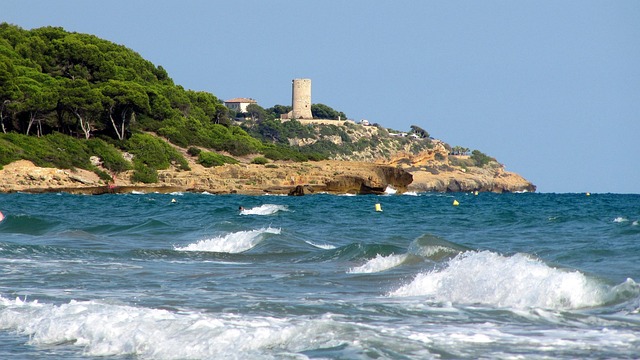
 Where ancient Roman grandeur meets Mediterranean splendor, Tarragona stands as one of Europe’s most extraordinary archaeological treasures and Spain’s premier destination for experiencing imperial history alongside pristine coastal beauty. This UNESCO World Heritage city, once the capital of Roman Hispania, preserves the finest collection of Roman ruins outside Italy while offering golden beaches, vibrant Catalonian culture, and architectural marvels that span over 2,000 years of continuous civilization.From the spectacular Roman amphitheater perched dramatically above the Mediterranean to the mysterious underground passages of the Roman Circus, Tarragona transforms history from textbook pages into tangible experiences where visitors walk the same stones as Roman emperors and gladiators. The city’s unique position along the Costa Dorada provides the perfect combination of cultural exploration and beach relaxation, making it an ideal destination for travelers seeking both intellectual stimulation and Mediterranean leisure in settings that have inspired awe for millennia. 🌊
Roman Legacy: Capital of Ancient Hispania 🏺
Tarragona’s extraordinary history begins in 218 BC when Roman general Scipio Africanus established Tarraco as the first Roman settlement on the Iberian Peninsula, strategically positioned to control Mediterranean trade routes and serve as a launching point for the conquest of Hispania. Under Emperor Augustus, Tarraco became the capital of Hispania Citerior, the largest and most important Roman province, attracting imperial attention that transformed the city into one of the empire’s most magnificent urban centers.
The city’s golden age during the 1st and 2nd centuries AD produced the monumental architecture and engineering marvels that continue defining Tarragona’s character today. Imperial investment created spectacular public buildings, defensive walls, aqueducts, and entertainment facilities that rivaled Rome itself while the city’s strategic importance attracted emperors, senators, and wealthy merchants who contributed to its architectural and cultural development. 👑
Archaeological evidence reveals a sophisticated urban society with advanced infrastructure, thriving commerce, and cultural diversity that made Tarraco a cosmopolitan center where Roman, Iberian, and Mediterranean influences merged to create unique artistic and architectural expressions. The city’s decline followed the empire’s fragmentation, but its Roman foundations provided the basis for continuous occupation that preserved ancient structures through medieval, renaissance, and modern periods, creating today’s remarkable archaeological landscape. ⚖️
UNESCO World Heritage Sites: Architectural Marvels 🏆
Roman Amphitheater: Gladiatorial Spectacle by the Sea
 The Roman Amphitheater of Tarragona, built in the 2nd century AD, represents one of the Mediterranean’s most dramatically situated ancient entertainment venues, carved into cliffs overlooking the sea where gladiatorial combats and public spectacles unfolded against the backdrop of infinite blue horizons. This exceptionally preserved structure accommodated 14,000 spectators who witnessed everything from gladiatorial contests to wild animal hunts and public executions that defined Roman entertainment culture.
The amphitheater’s unique coastal location provided natural acoustics and scenic beauty that enhanced the dramatic impact of public spectacles while its sophisticated engineering included underground chambers, drainage systems, and mechanical devices for stage effects. Archaeological excavations have revealed fascinating details about Roman entertainment culture while the site’s continued accessibility allows modern visitors to experience the same dramatic atmosphere that thrilled ancient audiences. ⚔️
Roman Circus: Underground Imperial Grandeur
Beneath Tarragona’s modern streets lies one of the Roman world’s best-preserved circuses, where 25,000 spectators once gathered to witness chariot races in a massive structure that stretched 325 meters in length. This underground archaeological marvel, discovered during 20th-century urban development, reveals the sophisticated engineering and massive scale of Roman public entertainment while providing intimate access to spaces where charioteers prepared for races that could determine their freedom or death.
The circus’s preserved vaulted corridors, starting gates, and spectator areas create an immersive journey through Roman sports culture while interactive exhibits explain the complex social, economic, and political functions of chariot racing in imperial society. Walking through these ancient spaces provides visceral connections to Roman daily life while demonstrating the empire’s commitment to public entertainment as a tool for political control and social cohesion. 🏇
Roman Walls and Towers: Imperial Fortification
Tarragona’s Roman walls, among the oldest and best-preserved in Spain, encompass the ancient city with massive stone fortifications that demonstrate imperial engineering prowess and strategic military planning. These 3rd-century BC defenses, later expanded and strengthened, include impressive towers, gates, and defensive features that protected the provincial capital while serving as symbols of Roman power and permanence.
The Minerva Tower and Cabiscol Tower provide exceptional examples of Roman military architecture while the Passeig Arqueològic (Archaeological Promenade) offers scenic walks along the wall circuit with interpretive information and spectacular views over the Mediterranean. These fortifications continue defining Tarragona’s urban layout while providing tangible connections to the strategic importance that made the city a cornerstone of Roman expansion in Hispania. 🛡️
Cathedral and Medieval Heritage: Christian Transformation ⛪
Tarragona Cathedral: Architectural Evolution
The Cathedral of Tarragona, built over the site of a Roman temple dedicated to Jupiter, represents one of Catalonia’s most magnificent examples of transitional Romanesque-Gothic architecture while symbolizing the Christian transformation of Roman sacred spaces. Construction began in 1171 and continued for over two centuries, creating a complex architectural narrative that reflects changing artistic styles, religious practices, and cultural influences throughout the medieval period.
The cathedral’s stunning rose window, intricate stone carvings, and soaring Gothic interior create spiritual atmospheres that complement the building’s historical significance while the attached cloister provides peaceful spaces for contemplation amid beautifully carved capitals and architectural details. The cathedral treasury houses exceptional religious art and artifacts while the bell tower offers panoramic views over the ancient city and Mediterranean coastline. 🔔
Medieval Quarter: Living History
Tarragona’s medieval quarter, built within and around Roman foundations, preserves narrow stone streets, hidden squares, and architectural treasures that demonstrate how successive civilizations adapted and transformed ancient urban spaces. The area’s Jewish quarter, noble palaces, and merchant houses reveal the complex social and economic structures that sustained the city through medieval and renaissance periods while maintaining connections to its Roman heritage.
Walking through these ancient streets provides opportunities for discovering architectural details, hidden courtyards, and unexpected vistas that reveal layers of historical development while contemporary restaurants, shops, and cultural venues demonstrate how historic preservation can support vibrant community life. The quarter’s intimate scale and preserved character create perfect settings for cultural exploration and authentic encounters with Mediterranean urban heritage. 🏰
Archaeological Museums: Treasures of Ancient Hispania 🏛️
National Archaeological Museum of Tarragona
The National Archaeological Museum of Tarragona houses one of Spain’s most significant Roman collections, featuring sculptures, mosaics, coins, and everyday objects that illuminate daily life in ancient Tarraco while providing context for understanding the archaeological sites scattered throughout the city. The museum’s exceptional Roman mosaics, including hunting scenes and mythological narratives, demonstrate the artistic sophistication and cultural refinement that characterized provincial Roman society.
Interactive exhibits and multimedia presentations help visitors understand the complex processes of Roman urbanization, cultural integration, and economic development that transformed Iberian settlements into imperial cities. The museum’s educational programs and temporary exhibitions regularly explore specific aspects of Roman culture while the collection’s research potential continues contributing to scholarly understanding of Roman provincial life and imperial expansion. 📚
Model of Ancient Tarraco
The museum’s detailed scale model of ancient Tarraco provides comprehensive visualization of the Roman city at its height, showing the relationship between major monuments, urban planning principles, and daily life spaces that made the city a model of imperial development. This remarkable reconstruction, based on archaeological evidence and historical research, helps visitors understand the massive scale and sophisticated organization of Roman urban planning.
The model reveals how public buildings, residential areas, commercial districts, and religious spaces were integrated into a coherent urban design that maximized both functionality and symbolic impact while demonstrating the engineering solutions that supported large urban populations in ancient settings. This visualization tool enhances understanding of all archaeological sites while providing appreciation for the remarkable preservation that allows modern exploration of ancient urban environments. 🗺️
Costa Dorada Beaches: Golden Mediterranean Paradise 🏖️
Platja del Miracle: Urban Beach Perfection
Platja del Miracle, Tarragona’s main city beach, provides the remarkable experience of swimming in Mediterranean waters while ancient Roman ruins provide the backdrop, creating unique combinations of historical exploration and beach relaxation within walking distance of major archaeological sites. This Blue Flag certified beach offers excellent facilities, golden sand, and calm waters ideal for families while maintaining the intimate character that distinguishes Spanish coastal cities from massive resort destinations.
The beach’s proximity to the historic center allows for seamless transitions between cultural exploration and beach activities while waterfront restaurants and cafes provide opportunities for dining with views that encompass both ancient architecture and Mediterranean seascapes. Evening walks along the beach promenade offer spectacular sunset views while the Roman amphitheater’s silhouette creates dramatic photographic opportunities that capture Tarragona’s unique character. 🌅
Arrabassada Beach: Family-Friendly Paradise
Arrabassada Beach, located just north of the city center, offers expansive golden sands and excellent facilities that make it ideal for extended beach days and family activities while maintaining easy access to Tarragona’s cultural attractions. This well-maintained beach features calm waters, lifeguard services, and comprehensive amenities while its length provides space for various beach activities and sports without overcrowding.
The beach’s consistent Blue Flag certification demonstrates commitment to environmental quality and safety standards while nearby restaurants and beach bars provide dining and refreshment options with Mediterranean specialties and international cuisine. Water sports rentals and beach equipment facilities support active beach experiences while the promenade’s cycling and walking paths connect to the city center and other coastal destinations. 🏐
Costa Dorada Coastal Excursions
Tarragona’s position along the Costa Dorada provides access to numerous exceptional beaches and coastal towns that extend beach and cultural experiences while showcasing the diversity of Catalonian coastal landscapes. Nearby Altafulla offers a charming fishing village atmosphere with excellent beaches while Calafell combines Roman archaeological sites with modern beach facilities and family-friendly attractions.
The coastal train line connects multiple beach destinations while providing scenic journeys along the Mediterranean coastline that reveal constantly changing landscapes and opportunities for beach-hopping adventures. Each coastal town maintains its distinct character while offering different combinations of historical sites, natural beauty, and recreational facilities that complement Tarragona’s archaeological focus with diverse coastal experiences. 🚂
Culinary Heritage: Roman Flavors Meet Catalonian Excellence 🍷
Ancient Culinary Traditions
Tarragona’s culinary heritage reflects its position as a crossroads of Mediterranean cultures where Roman, Moorish, and Catalonian influences merged to create distinctive regional specialties that continue defining local gastronomy. Archaeological evidence reveals sophisticated Roman dining culture while traditional recipes preserve ancient preparation methods and ingredient combinations that connect contemporary cuisine to historical traditions spanning over two millennia.
Local specialties include romesco sauce (originated in nearby fishing villages), calçots (traditional spring onions), and seafood preparations that showcase Mediterranean ingredients while traditional markets continue providing fresh, local products that support authentic culinary experiences. The region’s wine heritage, dating to Roman times, produces exceptional wines that complement traditional dishes while modern restaurants reinterpret classical recipes using contemporary techniques. 🐟
Modern Gastronomic Scene
Contemporary Tarragona combines respect for culinary traditions with innovative interpretations that attract food enthusiasts seeking authentic Mediterranean experiences enhanced by creative presentations and modern techniques. The city’s restaurants range from traditional family establishments serving regional classics to innovative venues that explore connections between historical recipes and contemporary gastronomy.
Local markets, particularly the Central Market, provide opportunities for discovering regional products while cooking classes and food tours offer structured explorations of Catalonian culinary culture. Wine tastings featuring local Penedès and Terra Alta wines complement dining experiences while seasonal festivals celebrate specific ingredients and traditional preparation methods that maintain cultural continuity across generations. 🍾
Transportation and Accessibility: Easy Roman Adventures 🚆
High-Speed Rail Connections
Tarragona’s high-speed rail connections to Barcelona (1 hour) and Madrid (2.5 hours) make it easily accessible for day trips or extended explorations while providing comfortable, efficient transportation that maximizes time for archaeological and cultural experiences. The train station’s proximity to the historic center allows immediate access to major attractions while avoiding parking complications and urban traffic that can detract from cultural exploration.
Regional train services connect coastal destinations while bus networks provide access to nearby archaeological sites and natural areas that complement urban exploration with broader regional experiences. The city’s compact size makes walking the preferred method for exploring the historic center while bicycle rental services support eco-friendly transportation for longer distances and coastal excursions. 🚴♀️
Tourist Transportation Services
Tourist buses and organized tours provide convenient access to archaeological sites while offering expert commentary that enhances understanding of Roman history and cultural significance. Audio guide systems at major monuments provide detailed information in multiple languages while smartphone apps offer interactive maps and additional resources for self-guided exploration.
Accessibility improvements at archaeological sites ensure that visitors with mobility limitations can experience major attractions while specialized tours accommodate different interests and physical capabilities. Parking facilities near major attractions support visitors arriving by car while pedestrian zones in the historic center create pleasant walking environments that enhance cultural exploration and discovery. ♿
Seasonal Experiences: Year-Round Roman Splendor 🌞
Spring Discovery: Perfect Weather for Exploration
Spring provides ideal conditions for exploring Tarragona’s archaeological sites and historic neighborhoods when mild temperatures, blooming Mediterranean vegetation, and fewer crowds create optimal circumstances for cultural discovery and outdoor activities. The season’s pleasant weather makes walking tours comfortable while archaeological sites benefit from excellent lighting conditions for photography and detailed observation of architectural features.
Spring festivals and cultural events often coincide with the season’s renewal symbolism while outdoor dining becomes enjoyable and beach activities begin to attract visitors seeking early season coastal experiences. The combination of cultural programming and natural beauty makes spring particularly appealing for comprehensive explorations that encompass both indoor and outdoor attractions. 🌸
Summer Beach and Culture: Mediterranean Peak
Summer transforms Tarragona into a comprehensive Mediterranean destination where beach activities and cultural exploration complement each other while longer daylight hours allow for extended sightseeing and diverse recreational experiences. The season’s warm weather and calm seas create ideal beach conditions while evening temperatures make outdoor dining and cultural events particularly enjoyable.
Summer programming includes outdoor concerts, archaeological site evening tours, and cultural festivals that take advantage of favorable weather while beach facilities reach full operation with comprehensive services and activities. The season’s increased visitor activity creates vibrant atmospheres while requiring advance planning for accommodations and popular attractions during peak periods. ☀️
Autumn Cultural Focus: Ideal Exploration Conditions
Autumn provides exceptional conditions for cultural exploration when comfortable temperatures, reduced crowds, and excellent lighting create optimal circumstances for archaeological site visits and historic neighborhood discovery. The season’s mild weather makes extended walking tours enjoyable while cultural venues and restaurants operate at full capacity without summer overcrowding.
Autumn’s natural beauty enhances outdoor archaeological sites while harvest season brings special culinary events and wine tastings that showcase regional agricultural traditions and contemporary gastronomy. The season’s contemplative atmosphere aligns well with historical exploration and cultural discovery while maintaining access to beach activities during the many warm, sunny days that characterize Mediterranean autumns. 🍂
Winter Contemplation: Authentic Local Experiences
Winter reveals Tarragona’s most authentic character when local life predominates and archaeological sites provide intimate experiences without crowds while mild Mediterranean winter weather allows for comfortable outdoor exploration during sunny periods. The season’s reduced tourist activity creates opportunities for genuine encounters with local culture and community life.
Museums and indoor cultural venues provide alternatives during inclement weather while many restaurants and cultural institutions continue operating with seasonal schedules that accommodate local preferences and traditions. Winter’s peaceful atmosphere enhances contemplative appreciation of historical sites while providing authentic insights into contemporary life in this remarkable historical city. ❄️
Photography Guide: Capturing Ancient Grandeur 📸
Archaeological Site Photography
Photographing Tarragona’s Roman ruins requires understanding of lighting conditions, architectural details, and historical context while respecting preservation requirements and visitor safety considerations. Early morning and late afternoon light enhance stone textures and architectural features while dramatic sky conditions can create compelling contrasts with ancient structures and Mediterranean settings.
The amphitheater’s coastal setting provides opportunities for compositions that include both archaeological features and seascapes while underground sites like the Roman Circus require different technical approaches and equipment considerations. Macro photography opportunities include carved stone details, mosaic patterns, and architectural elements that reveal craftsmanship and artistic sophistication while wide-angle compositions capture the scale and grandeur of imperial architecture. 🏺
Urban and Cultural Photography
Tarragona’s medieval streets and contemporary cultural life provide rich opportunities for urban photography that captures the dynamic relationship between historical preservation and modern community life. The cathedral’s Gothic architecture benefits from interior and exterior photography while street photography opportunities abound in markets, festivals, and daily life scenes that demonstrate cultural continuity and adaptation.
Beach and coastal photography showcase the Mediterranean lifestyle aspects that complement cultural attractions while sunset and sunrise sessions provide dramatic lighting for both architectural and landscape subjects. Understanding seasonal patterns and weather conditions helps photographers plan sessions that capture Tarragona’s diverse character while respecting cultural sensitivity and privacy considerations. 🌊
Budget Planning: Affordable Roman Adventure 💰
Cost-Effective Cultural Exploration
Tarragona offers exceptional value for cultural tourists where world-class archaeological sites, museums, and historical attractions provide comprehensive experiences at reasonable costs while the city’s compact size minimizes transportation expenses and maximizes time efficiency. Many archaeological sites offer combined tickets that provide significant savings while free outdoor exploration opportunities include the Roman walls, medieval streets, and coastal areas.
Budget accommodations including hostels, guesthouses, and vacation rentals provide comfortable lodging at various price points while the city’s excellent public transportation and walkable historic center reduce daily transportation costs. Local markets and traditional restaurants offer authentic dining experiences at reasonable prices while beach access remains free and provides full-day recreational opportunities without additional costs. 🏨
Seasonal Cost Considerations
Accommodation and dining costs vary significantly between high summer season and shoulder periods, creating opportunities for budget optimization through strategic timing while maintaining access to all major attractions and cultural experiences. Spring and autumn provide optimal cost-benefit ratios with excellent weather, full facility operation, and reduced accommodation costs while winter offers the lowest prices for travelers prioritizing cultural exploration over beach activities.
Advanced booking for accommodations and transportation often provides significant savings while local tourism cards and cultural passes offer discounts on multiple attractions and services. Understanding seasonal pricing patterns and taking advantage of mid-week rates can substantially reduce total trip costs while maintaining high-quality experiences at this world-class archaeological destination. 💳
Frequently Asked Questions 🤔
What are the best Roman ruins to visit in Tarragona?
Must-see Roman sites include the spectacular Amphitheater overlooking the sea, Roman Circus beneath the city, National Archaeological Museum, Pont del Diable aqueduct, and Torre dels Escipions. These UNESCO World Heritage sites showcase the finest Roman architecture outside Italy with exceptional preservation and interpretation.
How do you get to Tarragona from Barcelona?
Take high-speed train from Barcelona (1 hour), regional trains (1.5 hours), or drive via AP-7 highway (1.5 hours). Bus services connect both cities while organized tours provide guided transport. Tarragona is easily accessible as a day trip from Barcelona with multiple transportation options.
What are the best beaches in Tarragona?
Top beaches include Platja del Miracle (city center), Arrabassada Beach (family-friendly), Savinosa Beach (naturist), and nearby Altafulla and Calafell. The Costa Dorada coastline offers golden sand beaches with excellent facilities and Blue Flag certifications for quality and safety.
When is the best time to visit Tarragona?
Optimal times are April-June and September-October for pleasant weather and fewer crowds. Summer offers beach season but higher temperatures and crowds. Spring and autumn provide ideal conditions for exploring Roman ruins and walking the historic center with comfortable temperatures.
Is Tarragona worth visiting for a day trip?
Absolutely! Tarragona offers world-class Roman ruins, beautiful beaches, and charming old town perfect for day trips. The compact historic center allows visiting major attractions within walking distance while excellent transport connections make it easily accessible from Barcelona.
How much time do you need to see Tarragona?
A full day covers major Roman sites and cathedral, while 2-3 days allows comprehensive exploration including beaches, museums, and surrounding areas. The compact historic center makes efficient sightseeing possible while longer stays provide opportunities for deeper cultural immersion and relaxation.
Are the Roman ruins accessible for visitors with mobility issues?
Major sites offer accessibility improvements including ramps, elevators, and adapted pathways. The Archaeological Museum and some ruins have full accessibility while others provide partial access. Contact sites directly for specific accessibility information and assistance services.
Hidden Gems and Local Secrets 💎
Secret Archaeological Sites
Beyond the famous monuments, Tarragona harbors lesser-known Roman remains scattered throughout the modern city where careful observation reveals ancient foundations, decorative elements, and structural features incorporated into contemporary buildings. The Christian necropolis, Roman quarries, and suburban villa remains provide intimate encounters with daily life in ancient Tarraco while requiring local knowledge and exploration spirit to discover.
Underground passages, hidden mosaics, and fragmentary inscriptions await discovery by observant visitors while guided tours with local archaeologists sometimes provide access to restricted areas and ongoing excavations. These hidden treasures create opportunities for personal discovery and deeper appreciation of the city’s archaeological richness while supporting continued research and preservation efforts. 🔍
Local Festivals and Cultural Traditions
Tarragona’s festival calendar includes unique celebrations that connect Roman heritage with contemporary culture while providing authentic experiences of local community life and traditions. The biennial Tarraco Viva festival transforms the city into a living Roman museum with historical reenactments, gladiatorial combats, and educational programs that bring ancient history to life while supporting cultural education and tourism.
Traditional Catalonian festivals including Castells (human towers) and correfocs (fire runs) provide spectacular cultural experiences while demonstrating the community solidarity and cultural creativity that characterize contemporary Tarragona. These events often coincide with favorable weather and provide opportunities for cultural immersion and authentic local interaction that enhances understanding of modern Catalonian identity. 🎭
Conclusion: Where Ancient Glory Meets Mediterranean Dreams ✨
Tarragona represents the rare destination where world-class archaeological heritage combines seamlessly with Mediterranean leisure to create comprehensive experiences that satisfy both intellectual curiosity and sensory pleasure. This remarkable city demonstrates how successful preservation and thoughtful tourism development can maintain cultural authenticity while providing contemporary amenities and accessibility that welcome visitors from around the world to explore one of Europe’s most significant Roman sites.
The city’s greatest achievement lies in maintaining its dual identity as both a living Mediterranean community and a preserved historical treasure where ancient streets continue supporting daily life while Roman monuments provide constant reminders of the imperial grandeur that once made Tarraco the center of Hispanian civilization. From sunrise walks along Roman walls to sunset dinners overlooking the amphitheater, every moment in Tarragona offers opportunities for connecting with the deep historical currents that continue shaping Mediterranean culture.
As you explore Tarragona’s ancient stones and swim in the same Mediterranean waters that refreshed Roman citizens two millennia ago, remember that you’re experiencing one of history’s great cultural crossroads where imperial ambition, artistic achievement, and natural beauty combined to create enduring legacies that continue inspiring wonder and admiration. Welcome to where Caesar walked, gladiators fought, and the Mediterranean dream began its long journey through time to reach your own moment of discovery and appreciation. 🏛️🌊
Last updated: July 16, 2025