
Discover the vibrant heart of Catalonia through its most captivating sights, from Gothic masterpieces to modernist marvels
🕊️ Sagrada Família: Where Dreams Take Stone Form
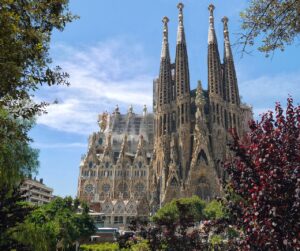 Standing before the Sagrada Família feels like witnessing architecture’s equivalent of a symphony reaching its crescendo. This basilica, Gaudí’s life work that remains beautifully unfinished, challenges every preconception about religious architecture. The facade tells stories through stone, while the interior resembles a petrified forest where light filters through stained glass windows like sunbeams through autumn leaves.
My recommendation? Visit twice—once during golden hour when the western light sets the Passion Facade ablaze, and again early morning when the Nativity Facade glows with ethereal beauty. Book your tickets at least two weeks in advance, especially if you want tower access. The audio guide is exceptional, but sometimes silence speaks louder than words. 🌅
🎨 Park Güell: Gaudí’s Colorful Playground
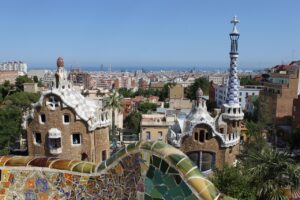 Park Güell transforms the concept of public space into something approaching magic. Originally conceived as a housing development, this UNESCO World Heritage site became Barcelona’s most photogenic park. The undulating mosaic benches, gingerbread-house pavilions, and the famous salamander fountain create an almost Alice-in-Wonderland atmosphere.
Arrive early to beat the crowds and secure those perfect Instagram shots. The park’s elevated position offers breathtaking views across Barcelona to the Mediterranean. Don’t rush through—find a quiet corner and simply absorb the creative genius that surrounds you. The unrestricted area outside the monumental zone offers equally stunning perspectives without the ticket requirement. 📸
🌹 Las Ramblas: Barcelona’s Beating Heart
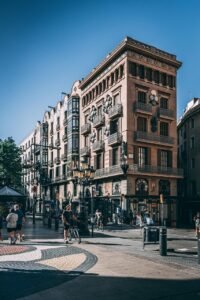 Love it or find it touristy, Las Ramblas remains Barcelona’s most iconic street. This tree-lined boulevard stretches from Plaça de Catalunya to the Christopher Columbus Monument, offering a sensory overload of street performers, flower stalls, and outdoor cafés. Yes, it’s crowded, but there’s undeniable energy here that captures Barcelona’s spirit.
The key to enjoying Las Ramblas lies in timing and perspective. Early morning walks reveal a different character—locals buying flowers, café owners preparing for the day, and street cleaners maintaining the boulevard’s charm. Duck into the side streets for authentic tapas bars and avoid the tourist traps directly on the main strip. The Boquería Market, just off Las Ramblas, offers an authentic taste of Catalan cuisine. 🍅
🏰 Gothic Quarter: Medieval Magic in Modern Times
The Gothic Quarter (Barri Gòtic) represents Barcelona’s medieval soul, where narrow alleyways lead to sudden plazas that feel like stage sets for historical dramas. The Barcelona Cathedral dominates the skyline, while hidden courtyards and ancient Roman walls whisper stories of the city’s 2,000-year history.
Navigation here requires surrendering to serendipity. The best discoveries happen when you’re slightly lost—a hidden café serving the perfect cortado, a boutique showcasing local designers, or a peaceful cloister where time seems suspended. The Plaça Reial, with its palm trees and arcade restaurants, provides the perfect spot for people-watching over a leisurely lunch. 🍷
🏖️ Barceloneta Beach: Urban Coastline Paradise
Few cities seamlessly blend urban sophistication with beach culture like Barcelona. Barceloneta Beach, the city’s most popular stretch of sand, offers everything from volleyball courts to chiringuitos (beach bars) serving fresh seafood. The beach underwent complete transformation for the 1992 Olympics, creating a Mediterranean paradise just minutes from the city center.
The beach experience extends beyond sunbathing. Morning joggers share the promenade with evening strollers, while the seafood restaurants along the beach serve some of the city’s finest paella. For a more local experience, venture to Bogatell or Mar Bella beaches, where the crowds thin and the authentic Barcelona beach culture emerges. 🏄♀️
🎭 Casa Batlló: Modernist Architectural Poetry
Casa Batlló challenges the very notion of what a building can be. This modernist masterpiece on Passeig de Gràcia showcases Gaudí’s genius for organic forms and innovative use of light and color. The facade resembles dragon scales, while the interior flows like water, with no straight lines to be found.
The immersive audio guide, included with admission, transforms your visit into a multisensory experience. Each room tells a story, from the noble floor’s stunning stained glass to the rooftop terrace that feels like walking on a dragon’s back. The evening visits, with special lighting effects, offer a completely different perspective on this architectural marvel. 🐉
🖼️ Picasso Museum: Artistic Journey Through Time
The Picasso Museum houses the world’s most comprehensive collection of the artist’s early works, providing intimate insight into his artistic evolution. Located in five adjoining medieval palaces in the Born neighborhood, the museum itself represents architectural history spanning from the 13th to 15th centuries.
The collection focuses on Picasso’s formative years and his deep connection to Barcelona, where he spent his artistic adolescence. The Blue Period works are particularly moving, while the Las Meninas series showcases his revolutionary reinterpretation of Velázquez’s masterpiece. Book online to avoid disappointment—this museum regularly sells out. 🎨
⛰️ Montjuïc: Barcelona’s Cultural Mountain
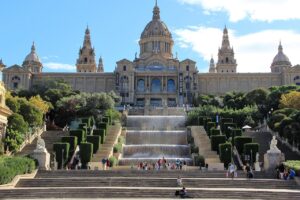 Montjuïc hill serves as Barcelona’s cultural epicenter, home to world-class museums, Olympic sites, and the city’s most spectacular viewpoints. The Magic Fountain of Montjuïc creates nightly spectacles combining water, light, and music, while the castle atop the hill offers panoramic views across the city and Mediterranean.
Plan a full day to explore Montjuïc properly. The cable car journey provides stunning aerial views, while the various museums—from the National Art Museum of Catalonia to the Joan Miró Foundation—offer cultural immersion. The Olympic Ring, site of the 1992 Summer Olympics, adds sporting history to the cultural mix. 🏟️
🏛️ Casa Milà (La Pedrera): Architectural Innovation
Casa Milà, nicknamed La Pedrera (The Quarry), represents Gaudí’s final secular architectural project. This undulating stone building seems to breathe with organic life, its facade flowing like frozen waves. The innovative design included Barcelona’s first underground parking garage and a revolutionary ventilation system that eliminated the need for air conditioning.
The rooftop terrace, with its warrior-like chimneys and stunning city views, provides one of Barcelona’s most memorable experiences. The apartment museum recreates early 20th-century bourgeois life, while the attic space houses an excellent exhibition on Gaudí’s architectural techniques. Evening concerts on the rooftop during summer months create magical moments. 🎵
🌳 Parc de la Ciutadella: Green Heart of the City
Parc de la Ciutadella offers Barcelona’s most beloved green space, where locals and tourists mingle in perfect harmony. This expansive park, built on the site of a former military citadel, houses the Barcelona Zoo, several museums, and the stunning Cascada fountain that young Gaudí helped design.
The park’s diverse attractions include the Catalan Parliament building, the Geology Museum, and numerous sculptures scattered throughout the grounds. Families picnic on the lawns, couples row boats on the small lake, and joggers follow the tree-lined paths. The park perfectly captures Barcelona’s ability to balance urban energy with natural tranquility. 🦢
🎪 Hidden Gems: Beyond the Tourist Trail
Barcelona’s true magic often lies in its lesser-known treasures. The Sant Pau Recinte Modernista, a UNESCO World Heritage site, showcases spectacular Art Nouveau architecture that rivals Gaudí’s work. The Gràcia neighborhood, with its village-like atmosphere and local festivals, offers authentic Catalan culture away from tourist crowds.
Bunkers del Carmel provides the city’s best sunset views without the crowds of more famous viewpoints. The Palau Sant Jordi, an architectural marvel from the 1992 Olympics, hosts world-class concerts and events. These hidden gems reward curious travelers with unique perspectives on Barcelona’s multifaceted character. 🌅
🍽️ Culinary Adventures: Taste Barcelona’s Soul
Barcelona’s culinary scene extends far beyond tourist-focused paella restaurants. The city’s markets, particularly the famous Boquería and the local favorite Mercat de Sant Antoni, offer authentic ingredients and quick bites that locals actually eat. Traditional Catalan dishes like escalivada, butifarra, and crema catalana tell the story of regional cuisine.
The pintxos bars in the Born neighborhood provide social dining experiences, while the beachfront chiringuitos serve fresh seafood with your toes in the sand. Don’t miss the vermouth culture—afternoon aperitifs that turn into social events. The city’s innovative restaurants consistently earn Michelin stars, proving Barcelona’s culinary evolution continues. 🥘
🎉 Barcelona’s Rhythm: Festivals and Nightlife
Barcelona’s cultural calendar pulses with energy year-round. The La Mercè festival in September transforms the city into a massive street party, while the Festa Major de Gràcia in August showcases incredible community art installations. These festivals reveal Barcelona’s communal spirit and creative energy.
The nightlife scene caters to every taste, from sophisticated cocktail bars in the Gothic Quarter to beachfront clubs that party until dawn. The city’s late dining culture means the evening doesn’t truly begin until 10 PM, when restaurants fill with locals and the streets come alive with conversation and laughter. 🌙
🚇 Getting Around: Navigate Like a Local
Barcelona’s transportation system makes exploration effortless. The comprehensive metro network connects all major attractions, while the bus system fills in the gaps. The city’s bike-sharing program and dedicated cycling lanes make two-wheeled exploration both safe and enjoyable.
Walking remains the best way to discover Barcelona’s character. The city’s compact size means most attractions lie within comfortable walking distance of each other. The T-10 transport card offers economical travel for multiple journeys, while the Barcelona Card provides attractions discounts along with transport access. 🚲
📅 Planning Your Barcelona Adventure
Timing can make or break your Barcelona experience. Spring (April-May) and fall (September-October) offer ideal weather with fewer crowds, while summer brings beach season but also peak tourist numbers. Winter provides mild temperatures and cultural events, though some attractions have reduced hours.
Book accommodations in neighborhoods that match your interests—Gothic Quarter for history buffs, Eixample for modernist architecture, Gràcia for local culture, or Barceloneta for beach access. Three to four days allows coverage of major attractions, while a week enables deeper exploration and relaxation. Start planning early, especially for popular attractions that sell out quickly. 📱
❓ Frequently Asked Questions
What are the top 5 must-see attractions in Barcelona?
The top 5 must-see attractions in Barcelona are: 1) Sagrada Família – Gaudí’s iconic basilica, 2) Park Güell – colorful mosaic park, 3) Las Ramblas – famous pedestrian street, 4) Gothic Quarter – medieval old town 5) Casa Batlló – modernist architectural masterpiece.
How much time do I need to visit Barcelona’s main attractions?
You need at least 3-4 days to see Barcelona’s main attractions comfortably. This allows 1 day for Gaudí sites (Sagrada Família, Park Güell, Casa Batlló), 1 day for Gothic Quarter and Las Ramblas, 1 day for museums and Montjuïc, and 1 day for beaches and relaxation.
Do I need to book tickets in advance for Barcelona attractions?
Yes, booking tickets in advance is highly recommended for popular attractions like Sagrada Família, Park Güell, Casa Batlló, and Picasso Museum. Many attractions sell out, especially during peak season (June-September).
What’s the best time of year to visit Barcelona?
The best time to visit Barcelona is during spring (April-May) and fall (September-October) when weather is pleasant and crowds are smaller. Summer can be very hot and crowded, while winter is mild but some attractions have reduced hours.
Is Barcelona expensive for tourists?
Barcelona is moderately expensive compared to other European capitals. Expect to spend €60-80 per day for mid-range travel including accommodation, meals, and attractions. Budget travelers can manage with €40-50 per day, while luxury travelers might spend €150+ daily.
How do I get around Barcelona as a tourist?
Barcelona has excellent public transportation including metro, buses, and trams. The T-10 ticket (10 journeys) is economical for tourists. Walking is great for city center exploration, while bikes and scooters are popular for longer distances.
Are Barcelona’s beaches worth visiting?
Yes, Barcelona’s beaches are definitely worth visiting! Barceloneta Beach is the most popular, while Bogatell and Mar Bella offer quieter experiences. The beaches are easily accessible by metro and offer great restaurants, bars, and water sports.
What should I eat in Barcelona?
Must-try Barcelona foods include paella, tapas, jamón ibérico, pan con tomate, crema catalana, and pintxos. Visit local markets like Boquería, try traditional restaurants in Gothic Quarter, and don’t miss the vibrant food scene in Gràcia neighborhood.
Is it safe to walk around Barcelona at night?
Barcelona is generally safe for tourists, but like any major city, use common sense. Avoid poorly lit areas, watch for pickpockets in tourist areas, and stay aware of your surroundings. The city center and main tourist areas are well-patrolled and safe for evening walks.
What’s the difference between Barcelona and Madrid for tourists?
Barcelona offers unique Gaudí architecture, Mediterranean beaches, and Catalan culture, while Madrid features world-class museums, royal palaces, and traditional Spanish atmosphere. Barcelona is more compact and walkable, while Madrid has a more formal, capital city feel.
Can I visit Barcelona without speaking Spanish?
Absolutely! Barcelona is very tourist-friendly with English widely spoken in hotels, restaurants, and attractions. Many locals also speak Catalan, Spanish, and English. Learning basic Spanish phrases is appreciated but not necessary for a great visit.
What are the best neighborhoods to stay in Barcelona?
Best neighborhoods for tourists include: Gothic Quarter (historic charm), Eixample (modernist architecture), Gràcia (local atmosphere), Born (trendy restaurants), and Barceloneta (beach proximity). Each offers different experiences and easy access to major attractions.
How far is Barcelona from the airport?
Barcelona-El Prat Airport is about 12km from the city center. The Aerobús takes 35 minutes to Plaça Catalunya, metro takes 32 minutes, and taxis take 20-30 minutes depending on traffic. The airport train (R2 Nord) connects to Sants and Passeig de Gràcia stations.
What’s the Barcelona City Pass and is it worth it?
The Barcelona City Pass includes entry to major attractions, public transport, and discounts. It’s worth it if you’re visiting multiple paid attractions like Sagrada Família, Park Güell, and museums. Compare the pass price with individual ticket costs based on your planned activities.
Are there any free attractions in Barcelona?
Yes! Free attractions include: Gothic Quarter exploration, Parc de la Ciutadella, Barceloneta Beach, Font Màgica light show, Sunday visits to some museums, hiking Tibidabo mountain, and exploring local markets like Boquería (entry is free).
What’s the weather like in Barcelona?
Barcelona enjoys a Mediterranean climate with mild winters (10-15°C) and warm summers (25-30°C). Spring and fall are ideal with comfortable temperatures and less rain. Summer can be hot and humid, while winter is generally mild with occasional rain.
How many days should I spend in Barcelona?
4-5 days is ideal for Barcelona. This allows time for major Gaudí sites, Gothic Quarter exploration, beach relaxation, museum visits, and day trips. Weekend trips (2-3 days) can cover highlights, while week-long stays allow for deeper exploration and nearby excursions.
What are the best day trips from Barcelona?
Popular day trips include: Montserrat monastery and mountain (1 hour), Girona’s medieval streets (1.5 hours), Costa Brava beaches like Tossa de Mar (1.5 hours), Figueres and Dalí Museum (2 hours), and Sitges beach town (40 minutes by train).
What should I know about Barcelona’s siesta culture?
While siesta is less common in Barcelona than other Spanish cities, many shops close 2-5 PM. Restaurants serve lunch 1-4 PM and dinner 8-11 PM. Tourist attractions and international businesses usually stay open, but plan accordingly for shopping and local services.
Is Barcelona good for families with children?
Barcelona is excellent for families! Kid-friendly attractions include Barcelona Zoo, Aquarium, Tibidabo Amusement Park, beaches, Parc de la Ciutadella, and interactive museums. Many restaurants welcome children, and public transport is stroller-friendly.
🎯 Final Thoughts: Your Barcelona Journey Awaits
Barcelona defies simple categorization—it’s simultaneously ancient and ultramodern, relaxed and energetic, traditional and innovative. This city rewards every type of traveler, whether you’re an architecture enthusiast, beach lover, culture seeker, or culinary adventurer. The magic lies not just in the individual attractions, but in how they weave together to create an urban tapestry unlike anywhere else in the world.
Remember that Barcelona is meant to be savored, not rushed. Take time for spontaneous discoveries, engage with locals, and allow yourself to be surprised by the city’s endless capacity for wonder. Your Barcelona adventure is about to begin—embrace every moment of this extraordinary Mediterranean journey! ✨
-
Visit Barcelona
→ The official tourism website offering guides, events, maps, and cultural highlights of Barcelona. -
TMB – Barcelona Public Transport
→ Find metro, bus, and tram schedules, ticket options, and route planners for getting around the city. -
Barcelona Airport (El Prat) Info
→ Official site for Barcelona El Prat Airport with flight info, transport options, and services. -
Citymapper – Barcelona
→ Real-time route planner for public transport, walking, biking, and taxis in Barcelona. -
Barcelona Metro Map PDF
→ Printable and interactive Barcelona metro map for easy navigation across the city. -
Tiqets – Barcelona Attractions & Tickets
→ Book skip-the-line tickets for popular Barcelona attractions such as Sagrada Família and Park Güell.