
🏝️ Why Greek Islands Captivate Millions of Travelers Every Year
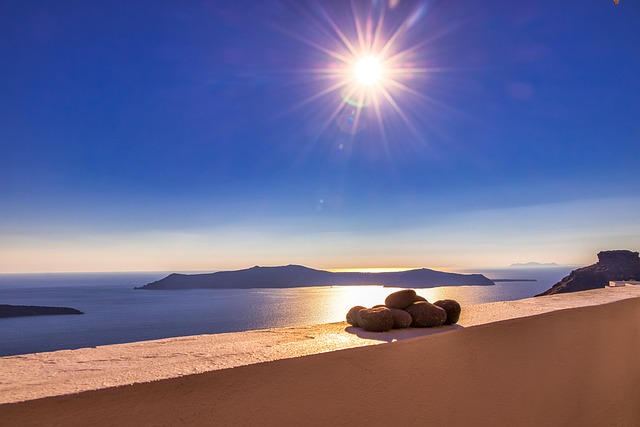 Picture this: You’re sipping freddo espresso at a cliffside café ☕, watching the Aegean Sea shimmer in fifty shades of blue while church bells echo across whitewashed villages. This isn’t just a vacation fantasy—it’s everyday reality on the Greek islands, where over 6,000 scattered pieces of paradise await your discovery.
After spending the better part of two decades exploring these Mediterranean jewels, I’ve watched sleepy fishing villages transform into cosmopolitan destinations and discovered hidden coves that still remain blissfully unknown to Instagram. The Greek islands offer something profoundly different from your typical beach vacation—they serve up a intoxicating cocktail of ancient history, genuine hospitality, and natural beauty that ruins you for anywhere else.
But here’s what most travel guides won’t tell you: choosing the right Greek island can make or break your trip. Each island has its own personality, from Mykonos’s hedonistic summer parties to Sifnos’s slow-food movement. Whether you’re a history buff dreaming of Minoan palaces, a beach bum seeking the perfect stretch of sand, or a foodie ready to gain five pounds on feta alone, there’s an island calling your name.
In this comprehensive guide, we’ll navigate through 15 of Greece’s most beloved islands, uncovering what makes each one special and who should (or shouldn’t) visit them. I’ll share the mistakes that first-timers make, the secret spots that locals guard jealously, and the practical tips that will save you both time and euros. Mediterranean travel doesn’t get better than this.
Quick Navigation
- 🌅 Santorini: The Sunset Paradise
- 🎉 Mykonos: Where Luxury Meets Tradition
- 🏛️ Crete: An Island That’s a World
- ⚔️ Rhodes: Knights and Beaches
- 💚 Corfu: The Emerald Isle
- 🐢 Zakynthos: Shipwrecks and Sea Turtles
- 💎 Paros: The Insider’s Choice
- 🧀 Naxos: Authentic Greece at Its Finest
- 🍹 Ios: Young, Wild, and Free
- 🌋 Milos: The Volcanic Wonder
- 🏔️ Kefalonia: Dramatic Landscapes
- 🏖️ Skiathos: Beach Lover’s Dream
- 🏺 Kos: History Meets Holiday
- 🍴 Sifnos: The Foodie Island
- 🤫 Folegandros: The Secret Escape
- ✈️ Planning Your Greek Island Adventure
- ❓ Frequently Asked Questions
🌅 Santorini: The Sunset Paradise That Lives Up to the Hype
Let’s address the elephant in the room first—yes, Santorini is touristy. Yes, it’s expensive. And yes, it’s absolutely worth it if you do it right. This crescent-shaped volcanic island has become the poster child for Greek island vacations, and once you witness your first Oia sunset, you’ll understand why millions of honeymooners can’t be wrong. 💑
✨ What Makes Santorini Special
Santorini isn’t just another pretty island; it’s a geological marvel born from one of history’s most catastrophic volcanic eruptions. The caldera views that make your Instagram followers weep with envy? They’re actually the remnants of a massive volcanic crater, creating those dramatic 300-meter cliffs that plunge into the deepest blue waters you’ve ever seen. 🌊
The island’s unique volcanic soil produces some of Greece’s most distinctive wines. The Assyrtiko grapes grown here develop a minerality you won’t find anywhere else, and sipping a crisp white while watching the sun melt into the caldera remains one of life’s perfect moments. 🍷 Visit Santo Wines for the ultimate tasting experience with views.
🏨 Best Areas to Stay
- 📸 Oia: The sunset capital with those blue-domed churches. Book dinner at Ambrosia Restaurant by 6 PM for prime sunset tables.
- 🌄 Imerovigli: Quieter than Oia with equally stunning views. The Skaros Rock hike offers 360-degree vistas.
- 🛍️ Fira: The bustling capital with nightlife and shopping. More affordable but still spectacular.
- 🏖️ Perissa/Kamari: Beach towns on the eastern coast. Better prices but no caldera views.
💎 Hidden Gems
Skip the overcrowded Oia sunset and head to the lighthouse at Akrotiri for an equally magical experience with a fraction of the crowds. The Red Beach gets all the press, but Vlychada Beach with its lunar-like white cliffs offers a more serene escape. For authentic local life, venture to Pyrgos village, where elderly ladies still make tomato paste on their rooftops every summer. 🍅
💡 Practical Tips
- 🗓️ Visit in late September or early May for 50% fewer crowds and 30% lower prices
- 📅 Book caldera-view accommodations at least 4 months in advance for summer visits
- 🛵 Rent an ATV to explore—parking is easier than with a car
- 💰 Budget €150-200 per day for a comfortable mid-range experience
Mykonos: Where Luxury Meets Tradition (If You Know Where to Look)
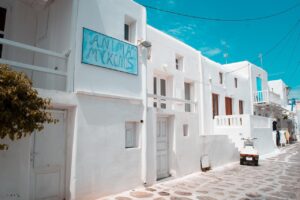 Mykonos has a reputation, and it’s mostly deserved. This is where Mediterranean jet-setters come to play, where beach clubs charge €50 for a sunbed, and where the party doesn’t stop until sunrise. But here’s what the stereotypes miss: beyond the see-and-be-seen beaches lies an island of windmills, hidden chapels, and tavernas where fishermen still mend their nets.
The Mykonos Paradox
The genius of Mykonos lies in its ability to be all things to all people. Want to party with international DJs at Paradise Beach? Done. Prefer a quiet morning exploring the maze-like streets of Chora? That’s here too. The key is timing—hit the party beaches in the afternoon, explore town in the early morning, and you’ll see both sides of this Janus-faced island.
Beach Club Culture
Let’s talk about those famous beach clubs. Nammos, Scorpios, and Principote aren’t just beaches—they’re full-day experiences where lunch can cost more than your hotel room. Are they worth it? If you’re looking for that “champagne spray at sunset” experience, absolutely. But if you’re on a budget, know that every expensive beach has a public section where you can lay your towel for free.
Beyond the Beaches
Ano Mera village offers a glimpse of traditional Cycladic life, complete with a monastery and local tavernas where prices drop by 60%. The archaeological site of Delos, a short boat ride away, rivals any mainland Greek ruins—this sacred island was considered the birthplace of Apollo and Artemis.
Smart Mykonos Strategies
- Stay in Mykonos Town for easy access to everything without a rental car
- Book restaurants by 7 PM to avoid the post-sunset rush
- The local bus system is surprisingly good and costs €2 versus €25 for a taxi
- September offers warm weather with more Greeks than tourists
Crete: An Island That’s Actually a World Unto Itself
Calling Crete just another Greek island is like calling Texas just another American state. Greece’s largest island packs in more diversity than some entire countries—from snow-capped mountains to tropical lagoons, from Europe’s oldest palace to some of its wildest nightlife. You could spend a month here and barely scratch the surface.
Four Regions, Four Experiences
Crete divides into four distinct regions, each with its own character:
🌄 Chania Prefecture (West)
Home to the stunning Balos Lagoon and the photogenic Venetian harbor of Chania town. The Samaria Gorge offers one of Europe’s most spectacular hikes. This is Crete at its most refined and romantic. 💕
🏛️ Rethymno Prefecture (North-Central)
The best-preserved medieval town in Greece meets mountain villages where time stopped. Preveli Beach with its palm forest feels more Caribbean than Mediterranean. 🌴
🍷 Heraklion Prefecture (Central)
The bustling capital and gateway to Knossos Palace, heart of the ancient Minoan civilization. The nearby wine country produces excellent indigenous varieties. 🍇
🌊 Lasithi Prefecture (East)
The quieter, more traditional side of Crete. Spinalonga island tells a haunting leper colony story, while Vai Beach boasts Europe’s only native palm forest. 🏝️
Cretan Cuisine: A League of Its Own
Forget everything you know about Greek food—Cretan cuisine plays by different rules. The island’s isolation bred unique dishes you won’t find elsewhere. Order dakos (barley rusks with tomatoes and soft cheese), lamb with stamnagathi (wild greens), and snails in rosemary sauce. The local olive oil is liquid gold, and restaurants pride themselves on using only island-grown ingredients.
Getting Around Crete
A rental car isn’t optional here—it’s essential. The island stretches 260 kilometers from east to west, and the best experiences hide down unmarked roads. That said, the new highway makes travel between major towns quick and easy. Budget at least a week, preferably two, and base yourself in 2-3 different areas to minimize driving.
Rhodes: Where Knights Templars Meet Beach Clubs
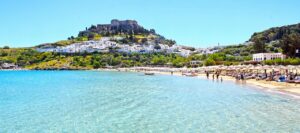 Rhodes pulls off a magic trick that shouldn’t work but does—it seamlessly blends medieval knights, ancient Greeks, Italian architecture, and modern resort life into one cohesive experience. This is an island where you can explore a UNESCO World Heritage castle in the morning and waterski in the afternoon.
The Medieval Marvel
Rhodes Town’s old quarter isn’t just well-preserved—it’s a living, breathing medieval city where 6,000 people still call the cobblestoned streets home. The Palace of the Grand Masters looks like something from Game of Thrones (and yes, it should—the show’s creators studied it). Walk the ramparts at sunset when the tour groups have left and the city returns to its residents.
Beach Diversity
The island’s size means distinct coastal personalities. The west coast serves up wind-whipped waves perfect for windsurfing at Prasonisi, where the Aegean meets the Mediterranean. The east coast shelters calm bays ideal for families. Anthony Quinn Bay, named after the actor who fell in love with it during filming, offers some of the clearest snorkeling waters in Greece.
The Lindos Question
Everyone visits Lindos, and everyone complains it’s too crowded. Here’s the secret: arrive at 8 AM or after 6 PM. The acropolis views justify the hype, and the village’s white cubic houses create one of Greece’s most photogenic scenes. Book a rooftop dinner at Mavrikos (operating since 1933) for the full experience.
Corfu: The Emerald Isle That Feels More Italian Than Greek
Corfu breaks all the Greek island rules. Instead of stark white and blue, think Venetian pastels and British cricket clubs. Instead of barren landscapes, imagine forests so green that locals claim forty shades. This Ionian island’s unique history—never conquered by the Ottomans—created a cultural cocktail you won’t find anywhere else in Greece.
A Tale of Two Coasts
Corfu’s personality splits dramatically between coasts. The east shelters family-friendly resorts and calm waters, while the west offers dramatic cliffs and spectacular sunsets. Paleokastritsa, with its six stunning coves, might be Greece’s most beautiful beach setting—though locals prefer the hidden Porto Timoni, accessible only by a rough coastal path.
Corfu Town: Venice Meets Greece
The capital deserves at least two days of exploration. The Liston arcade, modeled after Paris’s Rue de Rivoli, hosts the island’s social life. Locals still play cricket on the Spianada (a British legacy), and the narrow kantounia (alleyways) hide tavernas where the menu hasn’t changed since the 1960s. Don’t miss the morning market—it’s Greece’s most colorful.
Zakynthos: More Than Just That Shipwreck Beach
Yes, Navagio Beach (Shipwreck Beach) graces a million screensavers, and yes, it’s even more spectacular in person. But reducing Zakynthos to one beach does this diverse island a massive disservice. From party resorts to protected turtle nesting grounds, from mountain villages to underground caves, Zakynthos offers multiple personalities in one stunning package.
The Navagio Reality Check
Let’s address the famous beach first. You can’t access Navagio from land—only by boat trips that depart from Porto Vromi. The viewpoint above (follow signs to “Shipwreck Viewpoint”) offers the money shot, but arrive before 10 AM or after 5 PM to avoid tour bus crowds. Pro tip: the sunset light creates more dramatic photos than midday sun.
Turtle Conservation Success Story
Southern Zakynthos hosts one of the Mediterranean’s most important loggerhead sea turtle nesting sites. Laganas Bay’s protection means some beach sections close at night during nesting season (May-October). Join an eco-friendly turtle spotting tour with Earth, Sea & Sky to see these ancient mariners responsibly.
Paros: The Insider’s Alternative to Mykonos
Want Mykonos’s Cycladic charm without the price tags and posing? Welcome to Paros, the island Greeks choose for their own vacations. With better beaches than Santorini, more authentic villages than Mykonos, and prices that won’t require a second mortgage, Paros delivers the quintessential Greek island experience without the hassle.
A Beach for Every Mood
Paros’s beaches read like a greatest hits album. Golden Beach hosts world-class windsurfing competitions. Santa Maria offers Caribbean-clear waters with beach bars. Kolymbithres features sculpted granite formations that look like modern art. The best part? Even in peak August, you’ll find stretches of sand with room to breathe.
Villages That Time Forgot
While Naoussa port buzzes with waterfront dining and boutique shopping, venture inland to Lefkes village for the “real” Paros. This former capital hides in the mountains, protecting residents from pirates and now from tourist crowds. The Byzantine Road hiking trail connects Lefkes to Prodromos through marble-paved paths dating to 1000 AD.
Naxos: Where Authentic Greece Still Thrives
Naxos doesn’t need you. This self-sufficient island produces its own cheese, grows its own potatoes, and could happily exist without tourism. That independence creates an authenticity increasingly rare in the Cyclades. Come here to experience Greek island life as it was, not as Instagram thinks it should be.
The Complete Package
Naxos offers everything travelers seek—excellent beaches, charming villages, ancient sites, mountain hikes—without any single element dominating. The Portara (temple doorway) creates one of Greece’s most photographed sunset spots. The old town’s Venetian quarter rivals any in the Aegean. Beaches stretch for miles, backed by cedar forests and sand dunes.
Food Paradise
This fertile island feeds itself and half of Athens. The local cheese, graviera, wins international awards. Kitron liqueur, made from citron leaves, exists nowhere else. Small family tavernas serve food they grew, raised, or caught themselves. Try Axiotissa in Kastraki beach for the ultimate farm-to-table experience.
Ios: Young, Wild, and Surprisingly Diverse
Ios suffers from a reputation frozen in the 1990s when it was Greece’s undisputed party capital. While summer nights still pulse with energy, the island has matured gracefully. Today’s Ios balances nightlife with stunning beaches, hiking trails, and one of the Aegean’s most photogenic villages.
The Party Evolution
Yes, the Far Out Beach Club still rages, and yes, Chora’s bars stay open until sunrise. But the clientele has evolved from backpackers to young professionals, and the options have expanded beyond cheap shots. Beach clubs now offer sunset yoga, the cocktail scene has gone craft, and you can actually get a good night’s sleep if you choose your accommodation wisely.
Beyond the Nightlife
Mylopotas Beach stretches for a golden kilometer, offering everything from water sports to seaside massage. Homer’s Tomb (the poet allegedly died here) provides panoramic views worth the steep hike. Chora village, built amphitheatrically above the port, creates one of the Cyclades’ most dramatic skylines when lit at night.
Milos: The Volcanic Island That Rocks (Literally)
Milos is having a moment, and geology gets the credit. This volcanic island’s mineral-rich past created a coastline that looks like an artist’s palette—white cliffs, red beaches, yellow sulfur rocks, and waters in every shade of blue and green. It’s like Santorini’s wilder, less polished cousin who studied earth science.
Beach Bonanza
With over 70 beaches, Milos offers more coastal variety than islands five times its size. Sarakiniko’s white lunar landscape attracts the Instagram crowd. Kleftiko’s pirate caves require a boat trip but reward with spectacular snorkeling. Tsigrado beach demands a rope-assisted descent that keeps crowds away. Each beach tells a different geological story.
The Authentic Alternative
Despite growing popularity, Milos maintains its fishing village soul. Klima village’s syrmata (colorful boat houses) create Greece’s most unique waterfront. Local restaurants still close when the fish runs out. Accommodation remains largely family-run. Visit now before the boutique hotels arrive.
Kefalonia: Dramatic Landscapes, Zero Pretense
Kefalonia doesn’t do subtle. This Ionian island serves up Greece’s most dramatic landscapes—underground lakes, vanishing beaches, mountains that scrape the sky. Yet despite scenery that rivals anywhere in the Mediterranean, Kefalonia remains refreshingly pretense-free, more focused on feeding you well than looking good on social media.
Natural Wonders
Melissani Cave’s underground lake creates an ethereal blue light show at midday. Myrtos Beach, framed by towering white cliffs, consistently ranks among the world’s best. The mysterious Katavothres (swallow holes) suck in seawater that resurfaces miles away. Even the island’s destruction in the 1953 earthquake created today’s dramatic topography.
Village Life
Fiskardo survived the earthquake, preserving its Venetian architecture and yacht-filled harbor. Assos village perches photogenically on a peninsula crowned by a Venetian fortress. But the real Kefalonia lives in mountain villages like Sami, where locals outnumber tourists even in August.
Skiathos: Small Island, Big Beach Energy
Don’t let Skiathos’s size fool you—this compact Sporades island packs in 60+ beaches, more per square kilometer than anywhere else in Greece. If your Greek island dream involves pine forests meeting crystal-clear waters, beach hopping by boat, and sunset cocktails with your toes in the sand, Skiathos delivers in spades.
The Beach Olympics
Koukounaries, backed by a pine forest lagoon, sets the gold standard for Greek beaches. Banana Beach divides into Big Banana (family-friendly) and Small Banana (clothing-optional). Lalaria, accessible only by boat, features distinctive white pebbles and natural arches. The south coast’s calm waters contrast with the north’s windswept shores—variety is Skiathos’s superpower.
Beyond the Sand
Skiathos Town punches above its weight with waterfront dining and a surprisingly sophisticated bar scene. The Bourtzi peninsula hosts cultural events in a pine-shaded park. Evangelistria Monastery, where the Greek flag was first raised, offers history with mountain views. The island’s compact size means you’re never more than 20 minutes from anywhere.
Kos: Where Hippocrates Meets Holiday Mode
Kos masterfully balances its roles as a historical heavyweight and modern resort island. This is where Hippocrates taught medicine under a plane tree, where Roman ruins share space with beach bars, and where you can cycle ancient paths to pristine beaches. It’s proof that culture and vacation hedonism can coexist beautifully.
Historical Layers
The Asklepion, Hippocrates’s ancient healing temple, rivals any archaeological site in Greece for setting and significance. Kos Town’s harbor castle builds on Hellenistic foundations with medieval additions. Roman houses preserve intricate mosaics. The twist? Most sites sit within walking distance of excellent beaches, making cultural tourism painless.
The Bicycle Island
Flat terrain and dedicated bike paths make Kos Greece’s most cycle-friendly island. Rent wheels to explore at your own pace—from town to Tigaki Beach takes 20 minutes of easy pedaling. The route to Zia village climbs through traditional farms to sunset views over the Turkish coast.
Sifnos: The Foodie Island That Chefs Call Home
On an island that gave Greece its first celebrity chef (Nicholas Tselementes, whose cookbook still graces Greek kitchens), taking food seriously isn’t a trend—it’s tradition. Sifnos attracts travelers who plan their days around meals, who consider a great taverna worth the terrible road to reach it, and who understand that the best souvenir is a recipe.
Culinary Pilgrimage
Every Sifnos village guards its specialties. Artemonas makes the island’s best amygdalota (almond sweets). Vathy’s waterfront tavernas serve fish so fresh it was swimming that morning. Kastro’s clifftop restaurants pair traditional recipes with caldera-worthy views. The island’s signature dish, mastelo (lamb or goat slow-cooked in wine), requires ordering a day ahead—plan accordingly.
Potter’s Paradise
Sifnos’s ceramic tradition dates back millennia, with local clay creating distinctive dark pottery. Modern workshops in Kamares and Vathy continue the craft, producing everything from traditional cooking vessels to contemporary art. Buy directly from potters for pieces you’ll treasure long after your tan fades.
Folegandros: The Secret Island That Won’t Stay Secret
Folegandros feels like a beautiful mistake—too small for an airport, too rocky for large hotels, too remote for day-trippers. These supposed disadvantages created the Cyclades’ best-preserved secret, an island where donkeys still outnumber cars and where the most exclusive beach club is a taverna with six tables on the sand.
The Anti-Santorini
Chora town perches dramatically above 200-meter cliffs, creating Santorini-style drama without the crowds or calories. The car-free center preserves medieval atmosphere—locals still gather in the three connected squares each evening. The path to Panagia church zigzags up the mountain for views that rival any Greek island sunset.
Beach Effort Required
Folegandros makes you work for its beaches, and that’s the point. Katergo requires a boat ride or challenging hike. Agios Nikolaos demands a precipitous drive. Livadaki needs local knowledge to find. Your reward? Pristine waters and the satisfaction of earning your swim.
Planning Your Greek Island Adventure: The Master Class
After two decades of island hopping, I’ve learned that the difference between a good Greek vacation and an unforgettable one lies in the planning details most guides gloss over. Here’s everything I wish someone had told me before my first trip.
The Island Hopping Strategy
Resist the temptation to cram too many islands into one trip. The golden rule: spend at least three nights per island, preferably four. Ferry schedules eat more time than you think, and you’ll need a full day just to find your rhythm. A two-week trip? Pick three islands max. One week? Two islands or really explore one.
Sample Island Combinations That Work
- Classic First-Timer: Santorini (4 nights) → Paros (3 nights) → Mykonos (3 nights)
- Beach Lover: Naxos (4 nights) → Milos (4 nights) → Paros (3 nights)
- Culture Seeker: Crete (7 nights) → Rhodes (4 nights)
- Off-the-Beaten-Path: Sifnos (4 nights) → Folegandros (3 nights) → Milos (4 nights)
- Party Circuit: Mykonos (4 nights) → Ios (3 nights) → Santorini (3 nights)
Ferry Wisdom
The Greek ferry system works brilliantly once you crack the code. Book through Ferryhopper or Ferryscanner for English-language booking and real-time updates. High-speed catamarans cost double but halve travel time—worth it for longer routes. Traditional ferries offer outdoor decks perfect for island-spotting. Always arrive 45 minutes early in peak season.
Accommodation Strategies
Book accommodations before booking flights—seriously. The best places fill up 4-6 months ahead for July-August. Family-run hotels offer better value than Airbnb and include invaluable local knowledge. Location trumps amenities: a basic room in town beats a luxury resort requiring expensive taxi rides. Always confirm if port/airport transfers are included.
Money Matters
While cards work most places, many tavernas, small shops, and boat operators remain cash-only. ATMs exist on all tourist islands but sometimes run empty on summer weekends. Bring enough euros to cover 2-3 days. Tipping isn’t mandatory but 5-10% is appreciated. That “cover charge” on your bill? It’s for bread and water—completely normal.
The Weather Reality
The meltemi wind (July-August) can cancel ferries and make northern beaches unwimmable. Always have a plan B. May and late September offer the best weather/crowd balance. October swimming is possible but not guaranteed. April is gorgeous for hiking but too cold for beach lounging.
Health and Safety
The Greek sun is stronger than Northern European or North American sun—SPF 50 isn’t overkill. Pharmacies (“ΦΑΡΜΑΚΕΙΟ”) are excellent for minor issues. The water is safe to drink but tastes better bottled. Sea urchins lurk on rocky shores—water shoes prevent painful encounters. Travel insurance is essential as medical evacuation from smaller islands is expensive.
Cultural Intelligence
Greeks dine late—9 PM is early for dinner. Afternoon siesta (2-5 PM) is sacred; shops close and noise is discouraged. Beach attire stays at the beach. Churches require covered shoulders and knees. “Greek time” means everything runs 15-30 minutes late except ferries and flights. A few words of Greek earn disproportionate goodwill.
Avoiding Peak Season Madness
If you must visit in July-August, book everything months ahead and embrace the energy. Otherwise, May, June, September, and early October offer magical weather without the masses. Easter week (dates vary) brings unique celebrations but everything books solid. August 15th is Greece’s biggest holiday—expect closures and crowds.
The Technology Toolkit
Download offline maps—Google Maps works without data. The Ferryhopper app tracks boats in real-time. WhatsApp is how Greeks communicate; many hotels prefer it to email. Cosmote or Vodafone tourist SIM cards offer cheap data. Free WiFi is ubiquitous but often slow.
Frequently Asked Questions About Greek Island Travel
What is the best time to visit the Greek islands?
The ideal time to visit Greek islands is during shoulder seasons—May to early June and September to early October. You’ll enjoy warm weather, fewer crowds, and better prices. July and August are peak season with hot weather and higher prices, while many islands close tourism facilities from November to April.
How many days do I need for island hopping in Greece?
For a satisfying Greek island hopping experience, plan at least 10-14 days. This allows 3-4 days per island to truly experience the culture, beaches, and attractions. A typical route might include 4 days in Santorini, 3 days in Mykonos, and 4 days in Crete or Paros.
Which Greek island is best for families with children?
Crete stands out as the best Greek island for families, offering sandy beaches with shallow waters, fascinating historical sites like Knossos Palace, water parks, and family-friendly resorts. Naxos and Paros are also excellent choices with calmer beaches and authentic Greek atmosphere.
What is the most affordable Greek island to visit?
Naxos, Paros, and Crete offer the best value for budget travelers. These islands have affordable accommodation options, local tavernas with reasonable prices, and free beaches. Avoid Mykonos and Santorini during peak season if you’re on a tight budget, as prices can be 50-100% higher.
Do I need to book ferries in advance for Greek island hopping?
During peak season (July-August), booking ferries 2-4 weeks in advance is highly recommended, especially for popular routes like Piraeus-Santorini or Mykonos-Paros. In shoulder seasons, you can often book a few days ahead. High-speed ferries and overnight routes fill up fastest.
Which Greek island has the best beaches?
Zakynthos boasts some of Greece’s most spectacular beaches, including the famous Navagio (Shipwreck) Beach. Crete offers diverse beach options from pink sand at Balos Lagoon to palm trees at Vai Beach. For consistent sandy beaches, consider Naxos, while Milos offers unique volcanic beach landscapes.
Is it better to fly or take a ferry between Greek islands?
Ferries offer a more authentic and economical experience, with routes connecting most islands. They’re ideal for short distances (2-4 hours). Flights save time for longer routes but are limited to islands with airports (Santorini, Mykonos, Crete, Rhodes, Kos, Zakynthos). Consider combining both for efficiency.
What should I pack for a Greek island vacation?
Pack light, breathable clothing, swimwear, comfortable walking shoes for cobblestones, sandals, sun protection (hat, sunscreen SPF 30+, sunglasses), a light jacket for ferry rides and evenings, beach bag, and reef-safe sunscreen. Don’t forget adapters for European outlets (Type C/F) and any prescription medications.
Which Greek islands are best for nightlife?
Mykonos reigns supreme for nightlife with world-famous beach clubs and bars in Mykonos Town. Ios attracts younger crowds with budget-friendly party scenes. Santorini offers sophisticated cocktail bars with sunset views. For authentic Greek nightlife, try Paros or the cities of Crete like Chania and Heraklion.
Can I visit Greek islands on a wheelchair?
Accessibility varies significantly between islands. Crete, Rhodes, and Kos have the best infrastructure for wheelchair users, with accessible hotels, restaurants, and some beaches. Santorini and Mykonos pose challenges with steep paths and steps. Research specific accommodations and contact them directly about accessibility features before booking.
Your Greek Island Adventure Awaits
The Greek islands have a way of getting under your skin. Maybe it’s the way the afternoon light turns everything gold, or how every meal feels like a celebration, or that moment when you round a corner and the view literally stops you in your tracks. These islands offer more than just a vacation—they provide a masterclass in living well.
Whether you choose the glamour of Mykonos, the romance of Santorini, or the authenticity of Naxos, remember that the best Greek island experiences often happen between the planned moments. It’s the taverna owner who insists you try his mother’s recipe, the hidden beach you stumble upon while lost, the sunset that makes you forget to take photos.
Start planning your Greek island escape today. Book those accommodations early, study the ferry schedules, and practice your “kalimera.” But also leave room for spontaneity, for getting beautifully lost, for saying yes to that third glass of ouzo. The islands have been perfecting hospitality for 3,000 years—trust them to show you a good time.
- Visit Greece – Greek National Tourism Organisation
🔗 https://www.visitgreece.gr/ - National Geographic – Best Greek Islands to Visit
🔗 https://www.nationalgeographic.com/travel/article/best-greek-islands - CNN Travel – Best Greek Islands for Every Type of Traveler
🔗 https://edition.cnn.com/travel/article/best-greek-islands/index.html

