
Crete Through Time: 4,000 Years of Continuous Civilization 📚
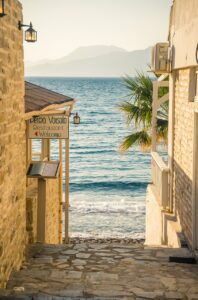 Crete’s strategic position at the crossroads of three continents made it the birthplace of Europe’s first advanced civilization, where the Minoans created sophisticated palace complexes, developed the world’s earliest known writing system, and established maritime trade networks that connected the ancient Mediterranean from Egypt to Sicily over 4,000 years ago. This remarkable island reached its golden age during the Bronze Age when Minoan culture flourished at Knossos, Phaistos, and Malia, creating artistic masterworks and architectural innovations that influenced Greek civilization for millennia.
The legendary Palace of Knossos, Europe’s oldest city, attracted ancient pilgrims and modern archaeologists alike who marveled at advanced engineering systems including sophisticated drainage, multi-story construction, and artistic frescoes that depicted a peaceful society where women held prominent positions and bull-leaping ceremonies celebrated human courage and divine connection. Ancient texts record visits by mythological figures including King Minos, the Minotaur, and Theseus, while archaeological evidence reveals a civilization that prioritized art, trade, and cultural sophistication over military conquest. 🏺
Medieval history transformed Crete when Byzantine, Arab, Venetian, and Ottoman rulers each left architectural and cultural legacies that created the island’s distinctive character, where Venetian fortresses protect harbors that blend Islamic minarets with Orthodox churches, creating the multicultural heritage that UNESCO protection now preserves as one of Europe’s finest examples of Mediterranean cultural fusion spanning four millennia of continuous habitation. 🏰
Table of Contents
Palace of Knossos: Europe’s First City 🏛️
Minoan Royal Palace: Ancient Wonder
The Palace of Knossos represents the pinnacle of Bronze Age architecture, where multi-story buildings, advanced plumbing systems, and sophisticated urban planning created Europe’s first city around 2000 BC. This massive complex covered 150,000 square feet and housed over 100,000 people while serving as administrative center, religious sanctuary, and royal residence for Minoan kings who ruled a peaceful maritime empire that prioritized art and trade over warfare and conquest.
Archaeological discoveries reveal that Knossos featured revolutionary innovations including flush toilets, running water, central heating, and earthquake-resistant construction techniques that demonstrate engineering sophistication not seen again in Europe for over 1,000 years. The palace’s famous frescoes depicting dolphins, bull-leapers, and elegant court ladies showcase artistic achievements that influenced Greek art while revealing a civilization that celebrated nature, athletic competition, and gender equality in ways that seem remarkably modern. ⚡
Throne Room: Royal Legacy
The restored Throne Room showcases Europe’s oldest throne, where Minoan rulers held court in chambers decorated with griffins and marine motifs that demonstrate the sophisticated artistic vision and religious symbolism that characterized this peaceful civilization. The throne itself, carved from gypsum and flanked by benches for nobles, remains in its original position after 3,500 years, creating direct connections with ancient royalty and governmental systems that influenced later Greek political development.
The room’s architectural design maximizes natural lighting while sophisticated acoustics allow speakers to address assembled courtiers without artificial amplification, demonstrating advanced understanding of architectural physics and ceremonial requirements. Modern conservation efforts preserve original materials while providing structural support that ensures visitor safety in earthquake-prone regions where Minoan builders originally designed flexible construction systems. 🛡️
Bull-Leaping Frescoes: Athletic Artistry
The famous bull-leaping frescoes reveal Minoan athletic and religious practices where young men and women performed acrobatic feats with sacred bulls in ceremonies that combined physical courage, artistic expression, and spiritual devotion. These remarkable paintings, dating to 1500 BC, demonstrate artistic techniques including perspective, movement, and naturalistic representation that wouldn’t reappear in European art until the Renaissance over 2,000 years later.
The frescoes’ preservation allows modern visitors to witness ancient athletic competitions while archaeological evidence suggests these ceremonies celebrated human potential and divine connection rather than sacrifice or violence, revealing a civilization that valued grace, courage, and artistic achievement over military conquest or religious extremism. Understanding these cultural values enhances appreciation for Minoan contributions to European civilization and Mediterranean culture. 🏗️
Visiting Knossos: Practical Guide
Exploring Knossos requires 2-3 hours for comprehensive visits that include palace ruins, museum exhibits, and surrounding archaeological areas where ongoing excavations continue revealing new insights into Europe’s oldest civilization. The site features partially reconstructed sections that help visitors visualize original architecture while labeled paths guide exploration through throne rooms, royal apartments, storage areas, and ceremonial spaces that demonstrate palace complexity.
Audio guides provide expert commentary in multiple languages while guided tours offer archaeological insights and historical context that enhance understanding of Minoan culture and architectural innovations. Summer visits require sun protection and water while comfortable walking shoes handle uneven ancient pathways and stone steps that connect different palace levels and functional areas. 🐴
Knossos Visit Essentials
- Entrance Fee: €15 adults, €8 reduced, free under 25 (EU)
- Hours: 8am-8pm (summer), 8am-3pm (winter)
- Duration: 2-3 hours including museum and palace
- Best Times: Early morning (8-10am) or late afternoon (5-7pm)
- What to Bring: Water, hat, sunscreen, comfortable shoes
- Guided Tours: Available in multiple languages, highly recommended
Chania Old Town: Venetian Harbor Magic 🏠
Venetian Architecture: Maritime Heritage
Chania’s Old Town represents the finest example of Venetian colonial architecture in the Eastern Mediterranean, where 14th-century fortifications, elegant mansions, and the iconic lighthouse create romantic harbor scenes that blend Italian Renaissance elegance with local Greek traditions and Ottoman influences accumulated during four centuries of multicultural development under successive Mediterranean powers.
The famous Venetian Harbor, protected by massive sea walls and dominated by the Egyptian Lighthouse, provides one of Greece’s most photographed settings where waterfront restaurants, boutique hotels, and traditional workshops occupy buildings that housed Venetian merchants, Ottoman administrators, and Greek families throughout centuries of cultural exchange that created Chania’s distinctive architectural character and cosmopolitan atmosphere. 🏺
Lighthouse and Harbor: Iconic Views
The Egyptian Lighthouse, built during the Ottoman period on Venetian foundations, creates Chania’s most recognizable silhouette while serving as a focal point for harbor walks that reveal architectural details, maritime history, and contemporary cultural life. The lighthouse’s strategic position offers spectacular sunset views while surrounding cafes and restaurants provide perfect vantage points for photography and romantic dining experiences.
Harbor promenades connect the lighthouse with Venetian arsenals, traditional fishing boats, and modern yacht facilities that demonstrate Chania’s continued maritime importance while waterfront dining and shopping areas maintain authentic character through heritage protection regulations that ensure new development respects historical precedents and cultural authenticity. Understanding these preservation efforts enhances appreciation for successful heritage tourism that benefits local communities. ⛪
Municipal Market: Cultural Center
Chania’s covered Municipal Market, housed in a restored Venetian building, provides authentic experiences where local vendors sell traditional products including Cretan olive oil, mountain herbs, handwoven textiles, and artisanal cheeses that showcase regional specialties and traditional production methods. This bustling marketplace demonstrates contemporary Greek commercial culture while maintaining traditional trading practices and family businesses passed down through generations.
Market exploration reveals regional dietary traditions, seasonal agricultural cycles, and cultural customs while providing opportunities for purchasing authentic souvenirs and local products that support traditional producers and artisans. Understanding market etiquette and bargaining customs enhances cultural interactions while demonstrating respect for local business practices and community traditions that sustain traditional economic activities within heritage tourism contexts. 🌺
Venetian Quarter: Architectural Treasures
Wandering through Chania’s narrow streets reveals architectural treasures including Venetian mansions, Ottoman houses, and neoclassical buildings that demonstrate successive cultural influences while UNESCO protection ensures authentic character preservation through careful restoration and adaptive reuse that maintains historical integrity while supporting contemporary commercial and residential needs.
Traditional architecture features distinctive elements including stone archways, wooden balconies, decorative doorways, and hidden courtyards that create intimate urban spaces perfect for photography and cultural exploration. Many buildings house boutique hotels, restaurants, and cultural venues that provide economic sustainability while maintaining authentic character through heritage protection requirements and community commitment to cultural preservation. 🏰
Balos Lagoon: Tropical Paradise 🏖️
Gramvousa Peninsula: Natural Wonder
Balos Lagoon represents Greece’s most spectacular natural swimming pool, where turquoise waters, pink sand beaches, and dramatic cliff formations create tropical paradise scenes that rival Caribbean destinations while maintaining wild Mediterranean character through protection as a Natura 2000 site that preserves unique ecosystems and geological formations created by millennia of wave action and tectonic activity.
The lagoon’s extraordinary colors result from shallow waters over white sand mixed with crushed shells and coral fragments while surrounding cliffs provide natural protection that creates calm swimming conditions ideal for families and non-swimmers. This protected bay supports diverse marine life including sea turtles, monk seals, and endemic fish species that thrive in pristine waters far from major development and pollution sources. 🐠
Gramvousa Castle: Pirate History
The ruins of Gramvousa Castle, perched on dramatic cliffs above Balos Lagoon, reveal fascinating pirate history where Greek revolutionaries and international adventurers established bases during the 19th-century independence struggle while controlling shipping routes and conducting maritime commerce that supported resistance movements against Ottoman rule.
Castle exploration requires moderate hiking up ancient paths while panoramic views from fortress ruins showcase the strategic importance of this position for controlling sea approaches to Crete while providing refuge and supply bases for maritime activities. The combination of historical intrigue and natural beauty creates unique experiences where cultural exploration enhances appreciation for spectacular natural settings. 🏊♀️
Beach Access and Activities
Reaching Balos requires either boat excursions from Kissamos port (1.5 hours each way) or adventurous 4WD driving followed by 20-minute hikes down steep rocky paths that reward determined visitors with exclusive access to one of Europe’s most beautiful beaches. Boat trips provide comfortable transportation while including stops at Gramvousa Castle and offering opportunities for swimming, snorkeling, and photography.
Beach facilities remain minimal to preserve natural character while visitors must bring adequate water, sun protection, and supplies for full-day adventures in remote locations where emergency services access remains limited. Understanding environmental protection regulations and practicing Leave No Trace principles ensures these pristine areas remain beautiful for future generations while supporting sustainable tourism development. 🍹
Photography and Best Views
Balos Lagoon provides endless photography opportunities where dramatic aerial perspectives from surrounding cliffs capture the full scope of natural beauty while beach-level shots showcase crystal-clear waters and unique pink sand formations. The most famous viewpoint requires 10-minute hikes from parking areas while optimal lighting occurs during morning hours and late afternoon when golden light enhances water colors and cliff formations.
Professional photographers recommend wide-angle lenses for landscape shots while underwater cameras capture marine life and unique geological formations visible through crystal-clear waters. Drone photography requires permits and awareness of aviation restrictions while respecting wildlife protection areas and other visitors seeking peaceful natural experiences without technological distractions or noise pollution. 🐢
Samaria Gorge: Europe’s Longest Gorge 🏨
Hiking Adventure: Natural Cathedral
Samaria Gorge offers Europe’s longest gorge hiking experience, where 16-kilometer trails descend through spectacular limestone formations, ancient forests, and seasonal waterfalls that create natural cathedrals perfect for adventure tourism and nature appreciation. This UNESCO World Heritage site protects unique ecosystems including the rare Cretan wild goat (kri-kri) while providing challenging hiking experiences that reveal Crete’s dramatic interior landscapes and geological diversity.
The trail begins at Xyloskalo (1,230m elevation) and descends to Agia Roumeli on the Libyan Sea, crossing diverse climate zones from mountain pine forests through Mediterranean scrubland to coastal vegetation while passing abandoned villages, Byzantine churches, and traditional shepherd shelters that demonstrate historical human adaptation to challenging mountain environments. Trail conditions vary seasonally while spring offers wildflower displays and comfortable temperatures for extended hiking. 💕
Flora and Fauna: Biodiversity Haven
Samaria Gorge protects over 450 plant species including endemic varieties found nowhere else on earth while providing habitat for rare wildlife including golden eagles, bearded vultures, and the famous Cretan wild goat whose survival depends on continued habitat protection and visitor management that balances tourism access with conservation requirements.
Botanical diversity includes ancient cypress trees, wild herbs used in traditional medicine, and seasonal wildflowers that create spectacular displays during spring months while endemic species demonstrate evolutionary adaptation to island conditions and geological isolation. Understanding ecological relationships and conservation challenges enhances appreciation for protected area management while demonstrating successful balance between tourism development and environmental protection. 🌊
Trail Logistics and Safety
Samaria Gorge hiking requires advance planning where organized tours provide transportation from major towns while independent hikers must arrange transportation to trailheads and return boat transfers from Agia Roumeli to accessible roads. The trail operates seasonally (May-October) depending on weather conditions while proper hiking equipment including sturdy boots, water supplies, and emergency provisions ensures safe completion of challenging mountain terrain.
Trail difficulty varies from moderate to strenuous with steep descents, rocky surfaces, and river crossings that require physical fitness and appropriate preparation while emergency services remain limited in remote gorge sections. Weather conditions change rapidly in mountain environments while flash flood risks require awareness of seasonal precipitation patterns and official safety recommendations from park authorities. Park fees support conservation efforts and trail maintenance. 🏘️
Samaria Gorge Hiking Guide
- Trail Length: 16 kilometers (10 miles)
- Duration: 4-7 hours depending on fitness and stops
- Difficulty: Moderate to strenuous
- Season: May to October (weather dependent)
- Entrance Fee: €5 per person
- Transportation: Bus to Xyloskalo, boat from Agia Roumeli
Authentic Cretan Cuisine: Mountain to Sea 🍽️
Traditional Tavernas: Family Recipes
Cretan cuisine represents Greece’s healthiest and most diverse regional cooking tradition, where mountain villages and coastal communities developed distinctive recipes using local ingredients including wild greens, artisanal cheeses, estate olive oils, and fresh seafood that create the Mediterranean diet’s authentic foundation through recipes passed down through generations of family cooks who prioritize seasonal ingredients and traditional preparation methods.
Village tavernas throughout Crete serve specialties including lamb with stamnagathi (wild greens), mizithra cheese pies, slow-cooked goat, and honey-soaked desserts while coastal restaurants focus on daily catches including sea bream, octopus, and traditional fish soups that showcase regional fishing traditions and seasonal availability. Understanding taverna culture enhances dining experiences while supporting establishments that maintain traditional cooking methods and family hospitality rather than commercialized tourist restaurants. 🦑
Local Specialties and Regional Dishes
Cretan specialties reflect the island’s diverse geography and agricultural traditions where mountain regions produce exceptional cheeses, lamb, and wild herbs while coastal areas provide fresh seafood and sea salt that enhance traditional recipes. Signature dishes include dakos (barley rusks with tomatoes and cheese), boureki (zucchini and potato casserole), and sfakianopita (cheese pies from Sfakia region) that demonstrate how local ingredients create distinctive flavors unavailable elsewhere in Greece.
Regional wine production includes indigenous grape varieties like Vidiano and Kotsifali that pair perfectly with traditional dishes while local raki (tsikoudia) provides traditional digestifs that accompany extended family meals and social gatherings. Many tavernas feature family recipes and preparation methods that remain unchanged for generations while adapting presentation and service standards to contemporary expectations without compromising authentic flavors and cultural significance. 🍷
Cooking Classes and Food Tours
Cretan cooking classes provide hands-on experiences where traditional families teach visitors authentic recipes, preparation techniques, and cultural context that transforms passive dining into active cultural participation and skill development. These experiences typically include market visits, ingredient selection, traditional cooking methods, and family-style meals that reveal how food culture integrates with social customs and seasonal celebrations.
Food tours explore local markets, traditional producers, and family businesses while providing tastings, cultural insights, and opportunities for purchasing authentic products that support traditional agriculture and artisanal production. Understanding ingredient sourcing, seasonal cycles, and traditional preservation methods enhances appreciation for sustainable food systems while supporting local economies that maintain traditional practices within contemporary tourism contexts. 🌅
Wine Regions and Local Products
Crete’s ancient winemaking tradition produces distinctive wines from indigenous grape varieties grown in unique microclimates that create flavors unavailable elsewhere while traditional producers maintain organic methods and small-scale operations that prioritize quality over quantity. Wine regions including Archanes, Dafnes, and Sitia offer tastings, cellar tours, and educational experiences that reveal winemaking traditions dating back over 4,000 years.
Local product specialties include extra virgin olive oil from ancient groves, mountain honey from wildflower meadows, traditional cheeses from free-range livestock, and handcrafted spirits that represent generations of traditional production methods while meeting contemporary quality standards. Supporting these traditional producers sustains rural communities while providing authentic souvenirs and cultural connections that extend travel experiences beyond temporary visits. 🥙
Getting Around Crete: Transportation Guide 🚗
Car Rental: Maximum Freedom
Car rental provides optimal Crete exploration where mountainous terrain, scattered attractions, and limited public transportation make independent mobility essential for accessing remote beaches, traditional villages, and archaeological sites that reveal the island’s diverse character beyond major tourist centers. International rental companies and local agencies offer various vehicle types while booking advance ensures availability during peak season when demand exceeds supply significantly.
Driving conditions vary from excellent coastal highways to challenging mountain roads that require careful navigation while GPS systems and detailed maps help locate remote destinations and alternative routes. Parking availability varies significantly between urban centers and rural areas while understanding local traffic laws, fuel station locations, and emergency procedures ensures safe and enjoyable independent travel throughout Crete’s diverse landscapes and communities. 🛣️
Public Transportation Network
KTEL bus services connect major towns and tourist destinations with regular schedules during summer months while limited winter services require advance planning for rural destinations and off-season travel. Bus networks serve popular beaches, archaeological sites, and mountain villages while journey times extend due to mountain terrain and multiple stops that provide scenic views and cultural experiences unavailable through faster transportation options.
Inter-city buses provide comfortable long-distance transportation between Heraklion, Chania, and Rethymno while local services access smaller communities and tourist destinations. Advanced booking recommended for popular routes during peak season while understanding schedule limitations and seasonal variations ensures realistic itinerary planning that accommodates public transportation constraints and opportunities for cultural interaction with local commuters and fellow travelers. 🚌
Organized Tours and Excursions
Organized tours provide structured experiences where expert guides offer historical context, cultural insights, and access to destinations that challenge independent travelers while handling transportation, entrance fees, and logistics that simplify travel planning. Tour options range from archaeological focused visits to adventure activities and cultural immersion experiences that cater to different interests and physical capabilities.
Day tours typically include popular combinations like Knossos and Heraklion, Samaria Gorge hiking, or western Crete beaches while multi-day tours provide comprehensive island coverage with accommodation and meal arrangements. Understanding tour group sizes, included services, and departure points helps select appropriate options while booking through reputable operators ensures quality experiences and reliable service that enhance rather than limit cultural exploration opportunities. 🚕
Seasonal Crete: Year-Round Mediterranean Beauty 📅
Spring Splendor (April-May)
Spring transforms Crete into a wildflower paradise where mild temperatures (18-24°C), blooming landscapes, and comfortable conditions create ideal circumstances for hiking, archaeological exploration, and cultural activities while swimming becomes pleasant and accommodation costs remain reasonable compared to peak summer pricing. Wildflowers carpet mountainsides while traditional festivals and religious celebrations provide authentic cultural experiences that welcome respectful visitor participation.
Easter celebrations showcase Orthodox traditions while mountain villages come alive with seasonal activities including cheese-making, herb gathering, and agricultural preparations that demonstrate traditional life cycles and cultural continuity. Restaurant terraces become comfortable for extended dining while reduced tourist numbers allow intimate encounters with local culture and personalized attention from business owners who have more time for cultural exchange and authentic hospitality. 🌸
Summer Peak (June-August)
Summer brings classic Mediterranean conditions where hot weather (25-35°C), intense sunshine, and peak tourist activity create vibrant atmospheres with maximum service availability while requiring careful planning for heat management, crowd avoidance, and advance booking for all accommodations and restaurants during the busiest period when Crete attracts maximum international visitors seeking perfect Mediterranean experiences.
Early morning and evening activities become essential while midday hours suit beach relaxation and air-conditioned indoor spaces including museums, shops, and restaurants that provide relief from intense heat. Evening dining and cultural activities extend well into warm nights while beach facilities operate at full capacity with complete amenities and water sports opportunities. ☀️
Autumn Excellence (September-October)
Autumn provides arguably the best Crete experiences where warm seas, comfortable air temperatures, and reduced crowds create optimal conditions for both cultural exploration and beach activities while maintaining excellent weather for hiking and outdoor dining. This period offers exceptional value with reduced accommodation costs while restaurants and cultural sites operate without summer overcrowding pressures that characterize peak tourist seasons.
Sea temperatures remain ideal for swimming well into October while comfortable hiking conditions return for exploring gorges, archaeological sites, and mountain villages during pleasant daylight hours. Traditional harvest activities including grape picking, olive collection, and seasonal festivals provide cultural insights while golden light and clear skies create spectacular photography conditions that capture Crete at its most beautiful and authentic. 🍂
Winter Tranquility (November-March)
Winter reveals Crete’s authentic character where local life predominates and communities return to traditional rhythms while reduced tourist services and occasional weather limitations are balanced by intimate cultural experiences, dramatic storm watching, and peaceful appreciation of archaeological sites without crowds or commercial distractions that characterize peak tourist seasons.
Many coastal restaurants and accommodations close while those remaining often provide special winter rates and personalized attention that reveals authentic local culture and community life. Weather can be unpredictable with occasional storms creating spectacular mountain scenery while clear days provide exceptional visibility and photographic opportunities that showcase natural beauty in different atmospheric conditions perfect for cultural immersion and authentic experiences. ❄️
Where to Stay: From Village Houses to Luxury Resorts 🏨
Boutique Hotels in Historic Buildings
Staying within traditional villages in converted stone houses provides authentic experiences where historical architecture, traditional furnishings, and family hospitality create intimate accommodations that reveal how Cretan families lived during previous centuries while maintaining traditional building techniques and cultural customs. These boutique properties typically feature 6-12 rooms with individual character, mountain or sea views, and personalized service that reflects generations of Cretan hospitality tradition.
Properties throughout Chania Old Town, mountain villages, and coastal settlements demonstrate how contemporary luxury can enhance rather than compromise historical authenticity through careful restoration that preserves architectural details while adding modern amenities including air conditioning, luxury bathrooms, and sophisticated lighting that creates atmospheric settings for cultural exploration and romantic getaways. Advance booking essential during peak season as quality properties fill quickly due to limited inventory. 💕
Luxury Beach Resorts
Luxury resorts along Crete’s coastline provide comprehensive amenities including private beach access, spa facilities, multiple restaurants, and organized activities while maintaining easy access to archaeological sites and traditional villages through shuttle services or short drives along scenic coastal routes. These properties typically offer larger rooms, extensive facilities, and international service standards that appeal to visitors seeking both cultural exploration and resort amenities.
Properties like Blue Palace Resort and Daios Cove combine beachfront locations with luxury facilities while many resorts provide cultural programming including guided tours, traditional cooking classes, and cultural events that enhance understanding of local heritage alongside recreational activities. Many luxury properties offer packages combining accommodation with cultural tours and activities that provide comprehensive Crete experiences without transportation concerns. 🌊
Traditional Village Guesthouses
Family-run guesthouses throughout Crete’s mountain villages provide authentic experiences where local families share their homes, knowledge, and hospitality while offering budget-friendly accommodation that supports traditional community life and provides insights into contemporary Cretan culture. These intimate properties often include traditional breakfasts, local recommendations, and personal attention that larger hotels cannot match.
Village accommodation requires walking through narrow streets with luggage while parking arrangements need advance planning, but these minor inconveniences are outweighed by authentic cultural experiences and opportunities to support local families who maintain traditional hospitality while adapting ancestral homes to contemporary tourism needs through respectful development that preserves community character and traditional architectural elements. 🏘️
| Type | Price Range | Best For | Character |
|---|---|---|---|
| Historic Boutique | €120-350/night | Couples, Culture | Authentic, Romantic |
| Luxury Resort | €180-550/night | Families, Luxury | Modern, Comprehensive |
| Village Guesthouse | €45-95/night | Budget, Cultural | Local, Personal |
| Coastal Apartment | €60-150/night | Families, Self-catering | Independent, Flexible |
Insider Tips: Mastering Crete Like a Local 💡
Timing Your Visit: Crowds and Optimal Experiences
Crete experiences dramatic seasonal variations where spring (April-May) and autumn (September-October) provide optimal weather conditions, manageable crowds, and reasonable pricing while summer months (June-August) bring intense heat, maximum tourists, and premium costs that require advance planning and heat management strategies for comfortable exploration of archaeological sites and traditional villages.
Early morning visits (7-9am) to popular attractions avoid crowds and heat while late afternoon sessions (5-7pm) provide excellent lighting for photography and comfortable temperatures for extended exploration. Understanding seasonal patterns and daily rhythms allows strategic planning that maximizes enjoyment while minimizing typical tourist frustrations including overcrowding, excessive heat, and inflated pricing during peak periods. 📸
Photography Secrets and Best Viewpoints
Crete provides endless photography opportunities where understanding optimal lighting, seasonal conditions, and hidden viewpoints creates professional-quality images that capture both natural beauty and cultural authenticity. Sunrise at Balos Lagoon requires overnight stays in nearby villages while sunset photography at Chania harbor creates romantic lighting but attracts maximum crowds requiring advance positioning for optimal shots.
Archaeological site photography benefits from understanding how ancient structures frame modern landscapes while traditional village photography requires respecting private property and cultural sensitivity during documentation of traditional life and architectural details. Many hotels offer rooftop terraces with spectacular views while hiking trails provide elevated perspectives that showcase Crete’s diverse landscapes and cultural integration between human settlements and natural environments. 🌅
Cultural Etiquette and Local Customs
Visiting Crete respectfully requires understanding that villages and archaeological sites remain integral to local identity where traditional families maintain homes, businesses, and cultural practices within communities that balance heritage preservation with contemporary needs. Respecting private property, maintaining appropriate behavior in religious sites, and supporting local businesses demonstrates cultural appreciation while contributing to community welfare and cultural continuity.
Traditional dress codes apply for monastery visits while appropriate behavior during cultural events and festivals shows respect for local customs and community traditions. Learning basic Greek phrases, understanding hospitality customs, and appreciating traditional gift-giving enhances cultural interactions while supporting local families who maintain traditional ways of life within contemporary tourism contexts that require mutual respect and cultural sensitivity. 🤝
Budget Optimization and Money-Saving Tips
Crete expenses vary dramatically based on timing, accommodation choices, and dining strategies where understanding local pricing patterns, seasonal variations, and authentic versus tourist-focused establishments helps optimize budgets while maintaining quality experiences. Accommodation represents the largest expense while strategic choices between luxury resorts, boutique hotels, and village guesthouses affect total costs significantly without necessarily compromising experience quality.
Dining costs range from €10-18 for authentic taverna meals to €35-55 for premium restaurants with spectacular views while self-catering options and market shopping provide budget alternatives that maintain authentic experiences through direct engagement with local producers and traditional markets. Transportation choices, activity selection, and souvenir shopping represent additional cost variables requiring advance planning and price comparison for optimal budget management. 💰
Daily Budget Guide
- Budget Day (€35-55): Bus transport, site entrances, taverna meals, free beaches
- Mid-Range Day (€70-110): Car rental, guided tours, restaurant dining, beach facilities
- Luxury Day (€130-280): Private transport, boutique hotels, fine dining, spa services
- Adventure Special (€180-350): Helicopter tours, yacht charters, exclusive experiences, luxury accommodation
Beyond the Highlights: Hidden Crete Treasures 🗺️
Secret Beaches and Remote Coves
Crete’s extensive coastline conceals numerous spectacular beaches and secluded coves accessible by hiking trails, boat excursions, or challenging 4WD roads that provide alternatives to popular beaches while showcasing diverse coastal beauty that characterizes different regions of the island. These hidden gems often provide more privacy and natural beauty while requiring additional effort that filters out casual visitors seeking only convenient access and organized facilities.
Seitan Limania Beach offers turquoise waters accessible via steep hiking trails while Falassarna provides endless golden sand dunes perfect for sunset photography. Preveli Beach features a unique palm forest and river meeting the sea while Elafonissi showcases pink sand lagoons that rival tropical destinations. Understanding access requirements and seasonal conditions ensures successful visits to remote locations that reward adventurous exploration. 🏊♀️
Mountain Villages and Traditional Life
Crete’s mountainous interior preserves traditional village life where agricultural communities maintain ancient customs, traditional crafts, and cultural practices that provide authentic insights into rural Greek culture away from tourism development. These villages often feature stone architecture, family tavernas serving local specialties, and community festivals that welcome respectful visitor participation while maintaining authentic character.
Anogia village showcases traditional weaving and music traditions while Archanes demonstrates wine-making heritage and archaeological significance. Spili features famous lion fountains and traditional architecture while Zaros provides access to mountain hiking and fresh spring water sources. Exploring these communities provides broader context for understanding Crete within regional cultural development and contemporary rural life. 🏰
Archaeological Sites Beyond Knossos
Crete features numerous significant archaeological sites beyond famous Knossos where Minoan civilization created palace complexes, urban centers, and religious sanctuaries that demonstrate the sophisticated culture and widespread influence of Europe’s first advanced civilization. These lesser-known sites often provide more intimate experiences with fewer crowds while showcasing different aspects of Minoan society and architectural innovation.
Phaistos Palace features dramatic mountain settings and well-preserved ruins while Malia showcases urban planning and residential areas that reveal daily life in ancient cities. Gournia demonstrates Minoan town organization while Zakros provides remote palace experiences in spectacular natural settings. Understanding these sites’ unique characteristics and historical significance enhances appreciation for Minoan civilization’s complexity and geographical extent throughout ancient Crete. 🛶
Crete Magic Awaits ✨
Crete represents the absolute pinnacle of Mediterranean perfection, where every element—from ancient Minoan palaces crowning strategic hilltops to crystalline lagoons hidden within dramatic coastlines—seems carefully orchestrated by gods rather than mere mortals. This extraordinary island achieves what few destinations manage: seamlessly blending spectacular natural beauty with profound historical significance while maintaining authentic Greek character that transforms every visitor into a passionate advocate for traditional Mediterranean life.
The island’s greatest magic lies not in any single attraction but in the extraordinary way authentic Cretan culture thrives within perfectly preserved historical settings, creating experiences where swimming in turquoise lagoons, exploring Europe’s oldest civilization, dining in traditional mountain villages, and hiking through pristine gorges become natural parts of comprehensive cultural immersion that reveals Greece as you’ve always imagined it should be—ancient, beautiful, and completely unforgettable.
As you plan your Crete adventure, remember that this special island rewards both careful planning and spontaneous discovery while respecting local culture and supporting traditional communities ensures that future generations can experience the same magic that has attracted travelers for over 4,000 years. Come prepared to be amazed by beauty that defies description, humbled by history that spans millennia, and welcomed by Cretan hospitality that makes every visitor feel like family. Yamas! Welcome to Crete—where ancient dreams become Mediterranean reality. 🏛️🌊

