

Table of Contents
Understanding Catalonia’s Wine Heritage 📚
Catalonia’s winemaking history stretches back over 2,500 years when Phoenician traders planted the first vines along the Mediterranean coast, though the regions’ modern reputation emerged through different paths that reflect distinct terroirs, grape varieties, and winemaking philosophies. Penedès achieved international recognition through Cava innovation and large-scale quality production, while Priorat’s renaissance after centuries of decline created one of Europe’s most prestigious and expensive wine appellations through meticulous attention to traditional methods and exceptional vineyard sites.
The phylloxera epidemic of the late 19th century devastated both regions but led to replanting efforts that introduced international grape varieties to Penedès while Priorat remained largely abandoned until visionary winemakers in the 1980s recognized the potential of its ancient Garnacha and Cariñena vines growing in unique llicorella (slate) soils. This divergent development created today’s complementary wine regions where accessibility meets exclusivity, innovation partners with tradition, and sparkling wine excellence coexists with red wine perfection. 🏺
Modern Catalonian wine culture balances respect for traditional methods with pioneering techniques that have influenced winemaking worldwide, from Cava’s méthode traditionnelle adaptation to Priorat’s revival of old-vine viticulture in extreme terrain. Both regions demonstrate how terroir, climate, and human passion combine to create distinctive wines that express specific places while achieving international recognition for quality and character that can’t be replicated elsewhere, making Catalonia essential for understanding contemporary Spanish wine excellence. ⚗️
Penedès: The Cava Capital of the World 🥂
Understanding Cava Excellence
Penedès produces over 95% of the world’s Cava, Spain’s answer to Champagne, where traditional methods meet innovative techniques in underground cellars that extend for kilometers beneath historic estates and modern facilities. This sparkling wine revolution began in 1872 when Josep Raventós created the first Spanish sparkling wine using méthode traditionnelle, launching an industry that now produces over 245 million bottles annually while maintaining quality standards that have earned international recognition and protected designation of origin status.
The region’s success stems from ideal growing conditions where Mediterranean climate, calcareous soils, and elevation variations create perfect conditions for the three traditional Cava grapes: Macabeo (providing freshness and floral notes), Xarel·lo (contributing structure and minerality), and Parellada (adding elegance and finesse). Modern Cava production also incorporates Chardonnay and Pinot Noir for premium cuvées while traditional producers maintain focus on indigenous varieties that express the unique character of Penedès terroir. 🍾
Legendary Cava Houses
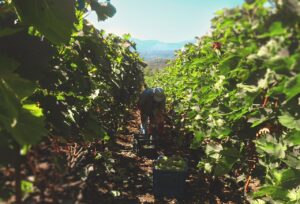 Codorníu, established in 1551, represents the world’s oldest sparkling wine house where historic cellars designed by Modernist architect Josep Puig i Cadafalch create cathedral-like spaces for aging millions of bottles in conditions that have remained essentially unchanged for over a century. These UNESCO World Heritage candidate cellars stretch for 30 kilometers underground while maintaining constant temperatures and humidity that allow Cava to develop complex flavors through extended aging on lees.
Freixenet, Codorníu’s friendly rival since 1889, pioneered Cava marketing worldwide while maintaining family ownership and traditional production methods that emphasize quality over quantity in their premium ranges. Smaller houses like Gramona, Recaredo, and Llopart produce exceptional artisanal Cavas using organic viticulture and extended aging that creates complexity rivaling the finest Champagnes while expressing distinctive Penedès character that reflects specific vineyard sites and traditional winemaking wisdom.
Beyond Cava: Still Wine Innovation
While Cava dominates international recognition, Penedès produces exceptional still wines where pioneering producers like Torres, Jean Leon, and Can Ràfols dels Caus experiment with international varieties while respecting traditional Catalonian grapes in wines that demonstrate the region’s versatility and quality potential beyond sparkling wine production. These still wines range from crisp whites perfect for Mediterranean cuisine to elegant reds that age gracefully while expressing the region’s diverse microclimates and soil types.
The region’s innovation extends to sustainable viticulture where many producers embrace organic and biodynamic practices that protect environmental health while producing grapes of exceptional quality and character. Climate change challenges have sparked adaptation efforts including higher elevation plantings, water conservation, and canopy management techniques that maintain wine quality while addressing environmental concerns that affect all Mediterranean wine regions. 🌱
Priorat: Spain’s Most Prestigious Wine Region 🏔️
The Llicorella Terroir
Priorat’s extraordinary wines emerge from llicorella, a unique decomposed slate soil embedded with quartz crystals that creates one of the world’s most distinctive terroirs where ancient vines struggle in mineral-poor conditions that stress plants into producing small yields of intensely concentrated grapes. This challenging terroir, combined with extreme vineyard slopes and manual labor requirements, produces wines of remarkable depth and complexity that command premium prices while expressing the dramatic landscape in every bottle.
The region’s renaissance began in the 1980s when visionary winemakers including René Barbier, Alvaro Palacios, and Daphne Glorian recognized the potential of abandoned vineyard sites where century-old Garnacha and Cariñena vines had survived decades of neglect. These pioneers invested in manual vineyard restoration, traditional winemaking techniques, and meticulous attention to terroir expression that elevated Priorat from virtual obscurity to designation as Spain’s second DOCa (Denominación de Origen Calificada) alongside Rioja. 💎
Iconic Priorat Producers
Clos Mogador, established by René Barbier in 1989, represents the spiritual heart of Priorat’s renaissance where organic viticulture and traditional winemaking create legendary wines that express the complexity and power of llicorella terroir through minimal intervention techniques that allow the landscape to speak through the wine. Barbier’s influence extends throughout the region where his mentorship helped establish many of today’s most respected producers while maintaining focus on terroir expression over commercial considerations.
Alvaro Palacios achieved international recognition with L’Ermita, a single-vineyard wine from 100-year-old vines that demonstrates the extraordinary potential of Priorat terroir when combined with obsessive attention to detail and traditional winemaking methods. His success inspired other producers while proving that Spanish wines could command prices previously reserved for Bordeaux first growths and Burgundy grand crus, fundamentally changing perceptions of Spanish wine quality and potential. 🏆
Village Terroirs and Unique Character
Each Priorat village expresses distinct terroir characteristics where subtle differences in elevation, exposure, and soil composition create wines with recognizable personality traits that reflect specific vineyard sites. Gratallops produces elegant wines with mineral precision, Porrera creates powerful expressions with intense concentration, while Bellmunt del Priorat and Torroja del Priorat offer different perspectives on how Garnacha and Cariñena express llicorella terroir through traditional viticulture and winemaking practices.
Small family producers throughout the region maintain traditional methods where hand-harvested grapes, indigenous yeast fermentations, and aging in neutral containers preserve terroir expression while avoiding manipulation that might mask the distinctive character of specific vineyard sites. These artisanal approaches often produce limited quantities of wine that sell exclusively through mailing lists and direct sales, requiring advance planning and local connections to access the region’s most coveted bottles. 🍇
Essential Winery Experiences: From Historic Cellars to Boutique Tastings 🏰
Penedès Historic Estates
Torres Winery offers comprehensive wine education experiences where the iconic “Wine Cathedral” provides spectacular settings for understanding Catalonian winemaking history while extensive vineyard holdings demonstrate sustainable viticulture practices and innovative techniques that maintain quality while addressing climate change challenges. The estate’s tours combine architectural beauty with serious wine education through guided tastings that explore the relationship between terroir, grape varieties, and winemaking techniques in wines ranging from entry-level to premium reserves.
Codorníu’s historic cellars provide unparalleled glimpses into Cava tradition where Modernist architecture creates atmospheric settings for exploring traditional sparkling wine production while extensive aging galleries demonstrate the patience and investment required for quality Cava production. The estate’s premium tastings include library wines and special releases that showcase how extended aging develops complexity in sparkling wines while the historic context provides understanding of how family dedication built one of the world’s great wine houses. 🏛️
Boutique Family Wineries
Gramona represents fourth-generation family winemaking where organic viticulture and traditional methods create exceptional Cavas that demonstrate how small-scale production can achieve complexity and elegance rivaling the finest Champagnes while maintaining affordable pricing that reflects family values rather than corporate profit maximization. Their intimate tastings provide personal interaction with family members who share passion for traditional methods and terroir expression through wines that tell the story of specific vineyard sites.
Can Ràfols dels Caus offers unique experiences where the Esteve family produces innovative wines using traditional techniques in settings that combine artistic expression with serious winemaking while their sculpture garden and artistic installations create memorable contexts for understanding how creativity and tradition intersect in contemporary wine production. These intimate experiences often include vineyard walks and cellar tours that reveal family winemaking philosophy through personal interaction impossible at larger operations. 🎨
Priorat Exclusive Experiences
Mas Doix provides intimate family winery experiences where multiple generations share their knowledge of traditional Priorat viticulture while exceptional wines demonstrate how careful vineyard management and minimal intervention winemaking express the unique character of llicorella terroir. These exclusive tastings often include library wines and barrel samples that provide insights into aging potential while the family’s personal attention creates memorable experiences that extend far beyond simple wine tasting.
Clos de l’Obac, another René Barbier project, offers specialized tastings for serious wine enthusiasts where technical discussions explore terroir expression and winemaking philosophy while exceptional wines demonstrate the potential of Priorat’s most challenging vineyard sites. These experiences require advance booking and often include vineyard visits that reveal the extreme conditions where some of Spain’s greatest wines originate through traditional methods and obsessive attention to detail. 🔍
Wine Tasting Mastery: Understanding Catalonian Excellence 👃
Cava Tasting Techniques
 Proper Cava evaluation requires understanding how méthode traditionnelle production creates complexity through secondary fermentation and extended aging on lees that develops characteristic yeasty, toasty flavors alongside fresh fruit and mineral notes that distinguish quality Cava from simple sparkling wines. Professional tasting begins with visual examination of persistent, fine bubbles that indicate proper production while aromatic evaluation reveals the interplay between primary fruit flavors and secondary complexity from traditional aging processes.
Temperature control significantly affects Cava appreciation where serving at 6-8°C preserves delicate aromatics while proper glassware—flutes for basic Cavas, white wine glasses for premium cuvées—allows full appreciation of complexity and development that quality producers achieve through extended aging and careful attention to traditional methods. Understanding vintage variations, dosage levels, and aging categories (Reserva, Gran Reserva) helps tasters appreciate how time and technique create the spectrum of styles that make Cava one of the world’s most versatile sparkling wines. 🥂
Priorat Red Wine Appreciation
Priorat wines demand patience and proper preparation where decanting allows powerful tannins to soften while revealing the complex aromatics that develop from llicorella minerality, old-vine concentration, and traditional winemaking techniques. These intense wines often require 30-60 minutes of aeration before reaching optimal drinking condition while appropriate glassware—large Burgundy glasses—provides sufficient surface area for aromatics to develop fully and reveal the layer complexity that justifies premium pricing.
Understanding Priorat requires recognizing how terroir expression differs from fruit-forward international styles where mineral complexity, herbal notes, and distinctive slate character create unique flavor profiles that reflect specific vineyard sites and traditional grape varieties. Professional tasting focuses on texture, length, and evolution in the glass while appreciating how skilled winemakers express extreme terroir through minimal intervention techniques that preserve the authentic character of one of Europe’s most distinctive wine regions. 🍷
Food Pairing Philosophy
Catalonian wine and food pairing reflects regional cuisine where Cava’s versatility complements everything from seafood and rice dishes to charcuterie and aged cheeses while its cleansing acidity and effervescence provide perfect foils for rich Mediterranean flavors and olive oil-based preparations. Understanding traditional pairings reveals how sparkling wine enhances rather than competes with food while creating combinations that showcase both wine and culinary excellence through complementary flavors and textures.
Priorat reds pair magnificently with robust Catalonian cuisine where game, grilled meats, and aged cheeses provide sufficient intensity to match these powerful wines while revealing how traditional food and wine combinations evolved over centuries of rural life. The region’s restaurants often feature local wines alongside traditional dishes that demonstrate authentic pairing principles while contemporary cuisine explores innovative combinations that respect traditional foundations while expanding possibilities for wine and food harmony. 🧀
Wine Villages: Authentic Rural Catalonia 🏘️
Sant Sadurní d’Anoia: Cava Capital
Sant Sadurní d’Anoia serves as the unofficial capital of Cava country where major producers including Codorníu and Freixenet maintain headquarters alongside smaller family operations that create a complete ecosystem supporting sparkling wine production. This working wine town preserves authentic character while providing comprehensive services for wine tourism including specialized restaurants, wine shops, and accommodations that cater to serious wine enthusiasts seeking authentic experiences beyond superficial tourism.
The town’s weekly markets feature local products while traditional festivals celebrate harvest and winemaking traditions that maintain community culture alongside commercial wine production. Walking tours reveal architectural heritage including modernist buildings designed for wine production while local restaurants specialize in traditional Catalonian cuisine that demonstrates how food and wine culture intersect in authentic rural communities that balance tradition with contemporary economic realities. 🏛️
Vilafranca del Penedès: Regional Center
Vilafranca del Penedès functions as the administrative and cultural center of the Penedès region where the VINSEUM (Wine Culture Museum) provides comprehensive education about Catalonian winemaking history while the town’s medieval center preserves architectural heritage alongside modern wine industry infrastructure. This larger town offers more sophisticated dining and accommodation options while maintaining authentic character and serving as an excellent base for exploring the broader region.
The town hosts major wine festivals including the annual harvest celebration where traditional Catalonian culture including human towers (castells) combines with wine celebration to create authentic cultural experiences that demonstrate how wine production integrates with broader community identity and tradition. Local wine bars and restaurants provide opportunities for discovering smaller producers while the town’s position allows easy access to both major estates and hidden family operations throughout the region. 🎭
Gratallops: Heart of Priorat
Gratallops represents the spiritual center of modern Priorat where many of the region’s most prestigious wineries cluster around this small village that maintains traditional mountain character while hosting world-class wine production. The village’s narrow stone streets and traditional architecture create atmospheric settings for wine tourism while local restaurants specialize in traditional mountain cuisine that pairs perfectly with the region’s powerful wines.
Vila Vins, the village’s central wine bar and shop, serves as informal headquarters for Priorat wine culture where visitors can taste wines from multiple producers while local winemakers often gather to discuss techniques and share knowledge in settings that reveal the collaborative spirit underlying the region’s success. The village provides authentic rural experiences where wine tourism supports rather than replaces traditional mountain community life while offering access to some of Spain’s most coveted wines. 🍇
Porrera: Traditional Mountain Village
Porrera preserves authentic mountain village character where traditional agriculture continues alongside prestigious wine production while providing access to spectacular hiking trails and cultural sites including ancient churches and traditional architecture that demonstrate how wine regions maintain broader cultural significance beyond commercial wine production. The village’s position in dramatic mountain terrain creates spectacular settings for wine tourism while maintaining authentic character.
Local family operations often welcome visitors for intimate tastings that reveal how traditional methods and family knowledge create distinctive wines that express specific terroir characteristics while providing personal interactions impossible at larger commercial operations. The village demonstrates how wine tourism can support rural communities while preserving traditional ways of life that provide cultural context for understanding authentic wine country experiences beyond superficial consumption activities. 🏔️
Seasonal Wine Country: Timing Your Visit 📅
Spring Awakening (March-May)
Spring provides ideal conditions for wine country exploration where comfortable temperatures, blooming vineyards, and active vineyard work create perfect settings for understanding viticulture while avoiding summer crowds and heat that can make outdoor activities uncomfortable. This season offers excellent opportunities for vineyard walks and photography while producers begin preparation for the growing season through pruning, soil work, and canopy management that demonstrate the labor-intensive nature of quality wine production.
Spring weather allows for extended outdoor tastings and picnics among vineyards while restaurant terraces become comfortable for extended meals that combine wine appreciation with scenic beauty. Many wineries schedule special events and educational programs during spring months while the mild conditions make driving between estates pleasant and safe for visitors planning comprehensive regional exploration during optimal weather conditions. 🌸
Summer Intensity (June-August)
Summer brings intense heat that requires careful planning for wine country visits while extended daylight hours allow for comprehensive daily itineraries that can include multiple winery visits, scenic drives, and cultural activities provided visitors plan around midday heat and schedule tastings during cooler morning and evening hours. Air-conditioned cellars provide pleasant refuge during peak temperatures while underground Cava caves maintain comfortable conditions throughout the summer months.
Summer festivals and cultural events throughout both regions provide authentic experiences of rural Catalonian culture while increased restaurant and accommodation availability supports extended visits. However, advance booking becomes essential during peak tourist season while some smaller producers reduce hours or close during August vacation periods, requiring flexible planning and confirmation of availability for specialized experiences and intimate winery visits. ☀️
Harvest Magic (August-September)
Harvest season provides the most authentic wine country experiences where visitors can participate in grape picking, traditional festivals, and winemaking activities that reveal the intense labor and community cooperation required for quality wine production. This period offers unique opportunities for understanding traditional methods while experiencing the excitement and urgency that characterizes harvest time in wine regions worldwide.
Many wineries offer special harvest experiences including grape stomping, traditional meals, and behind-the-scenes access to winemaking facilities during their busiest and most critical period. However, advance booking becomes essential as producers focus primarily on harvest activities while accommodation prices peak and availability decreases significantly. Weather can be unpredictable during harvest with occasional rain adding urgency to picking schedules. 🍇
Autumn Reflection (October-November)
Autumn provides exceptional wine country conditions where harvest completion allows producers to focus on visitors while beautiful weather, changing vineyard colors, and new wine releases create ideal circumstances for comprehensive wine tourism. This period offers excellent value with reduced accommodation costs while maintaining pleasant weather for outdoor activities and scenic drives through spectacular countryside.
New vintage releases provide opportunities for tasting fresh wines while established vintages reach optimal drinking windows that demonstrate how proper aging develops complexity in quality wines. Restaurant menus feature seasonal specialties including mushrooms, game, and harvest produce that pair excellently with local wines while creating authentic experiences of rural Catalonian cuisine during its most abundant and flavorful season. 🍂
Transportation and Logistics: Navigating Wine Country 🚗
From Barcelona: Access and Options
Penedès benefits from excellent public transportation where the R4 train line from Barcelona reaches Vilafranca del Penedès in 45 minutes while additional stations serve Sant Sadurní d’Anoia and other wine towns with frequent service that makes car-free wine tourism possible for visitors staying in Barcelona and planning day trips to the region. Train schedules align well with winery opening hours while return services operate until evening for visitors planning extended tastings.
Priorat requires private transportation where rental cars provide essential flexibility for exploring mountain roads and reaching remote wineries while designated driver services and organized tours offer alternatives for visitors prioritizing wine tasting over driving independence. The scenic drive through countryside and mountain terrain takes approximately 2 hours from Barcelona while providing opportunities for stops in charming villages and spectacular viewpoints that enhance the overall wine country experience. 🚙
Professional Wine Tours vs. Independent Exploration
Professional wine tours provide expertise, logistics management, and access to exclusive experiences while eliminating driving concerns for visitors prioritizing wine tasting over transportation independence. Quality tour operators maintain relationships with family wineries and offer behind-the-scenes access impossible for individual visitors while providing educational context that enhances appreciation for wine quality and regional character through expert guidance and carefully planned itineraries.
Independent exploration offers flexibility and authentic discovery opportunities while requiring more planning and preparation for visitors comfortable with navigation and advance booking for quality experiences. Self-guided visits allow spontaneous discoveries and extended time at preferred locations while providing opportunities for developing personal relationships with producers who appreciate visitors’ effort to explore their region independently and respectfully. 🗺️
Accommodation Strategies
Staying within wine regions provides authentic experiences and eliminates daily transportation while accommodation options range from luxury wine hotels to family-run rural guesthouses that offer personal attention and local knowledge impossible at larger establishments. Regional accommodation often includes breakfast featuring local products while many properties offer wine-focused amenities including private tastings, vineyard tours, and specialized dining experiences.
Barcelona-based accommodation works well for Penedès day trips while providing urban amenities and cultural attractions for comprehensive Catalonian experiences that combine wine tourism with city exploration. However, staying overnight in wine regions allows for evening tastings, sunrise vineyard walks, and authentic encounters with rural life that reveal wine country character beyond commercial tourism activities. 🏨
Budget Planning: Wine Country for Every Wallet 💰
Cost-Effective Wine Tourism
Budget-conscious wine tourism remains possible through strategic planning where self-guided visits to major producers, picnics among vineyards, and accommodation in rural guesthouses provide authentic experiences without premium pricing while public transportation to Penedès eliminates rental car costs for visitors comfortable with train schedules and walking between nearby wineries that welcome individual visitors without advance reservations.
Many family wineries offer excellent value tastings (€10-20) that include personal attention and premium wines while local markets provide ingredients for vineyard picnics that create memorable experiences at minimal cost. Shopping directly from producers often provides better prices than retail while creating opportunities for discovering limited releases and developing relationships with winemakers who appreciate visitors’ genuine interest in their craft and regional culture. 🛒
Premium Wine Experiences
Luxury wine tourism justifies premium pricing through exclusive access, personalized service, and exceptional wines that demonstrate the pinnacle of regional production while providing educational experiences that enhance appreciation for winemaking craftsmanship and terroir expression. Premium experiences often include private tastings with winemakers, library wine access, and customized itineraries that reveal insider knowledge impossible through standard tourism channels.
High-end accommodation in wine hotels provides comprehensive luxury experiences where spa services, gourmet dining, and concierge assistance create seamless wine country exploration while exclusive winery partnerships offer access to limited releases and behind-the-scenes experiences that justify premium pricing through unique value and memorable encounters with exceptional wines and passionate producers. 💎
Budget Planning Guide
- Budget Day (€40-60): Train to Penedès, basic tastings, picnic lunch, local guesthouse
- Mid-Range Day (€80-120): Car rental, guided tastings, restaurant lunch, hotel accommodation
- Luxury Day (€200+): Private driver, exclusive tastings, Michelin dining, wine hotel
- Wine Purchases: €8-15 basic wines, €20-40 premium bottles, €50+ collector wines
Seasonal Cost Considerations
Accommodation and dining costs vary significantly between harvest season (highest prices) and winter months (lowest prices) while spring and autumn provide optimal value with excellent weather and moderate pricing that supports extended visits without peak season premiums. Understanding seasonal patterns allows strategic planning that maximizes experiences while controlling costs through timing flexibility and advance booking strategies.
Harvest season commands premium pricing but provides unique experiences unavailable at other times while winter visits offer exceptional value for serious wine enthusiasts comfortable with reduced tourist services and occasional weather limitations. Shoulder seasons balance cost considerations with optimal weather and full service operation while providing authentic experiences without extreme pricing or overcrowding. 📊
Insider Tips: Maximizing Your Wine Country Experience 💡
Booking Strategies and Advance Planning
Successful wine country visits require advance planning where popular wineries, especially in Priorat, often operate by appointment only while premium experiences and small producers may have limited availability that requires booking weeks or months ahead during peak seasons. Understanding each winery’s policies, group size limitations, and seasonal schedules prevents disappointment while ensuring access to desired experiences during optimal visiting conditions.
Family wineries often provide more flexibility and personal attention than large commercial operations while language skills or translator apps help with smaller producers where English may be limited but enthusiasm for sharing wine passion transcends communication barriers. Confirming appointments, understanding tasting fees, and clarifying what’s included prevents misunderstandings while demonstrating respect for producers’ time and hospitality. 📞
Cultural Etiquette and Local Customs
Wine country etiquette emphasizes respect for producers’ expertise while genuine interest in learning about wines, vineyards, and family history creates positive interactions that often lead to exceptional experiences and lasting relationships with passionate winemakers who appreciate visitors’ sincere curiosity over superficial consumption. Understanding basic wine terminology and regional grape varieties demonstrates preparation while respectful behavior during tastings ensures welcome returns and positive recommendations.
Purchasing wines after tastings supports producers while demonstrating appreciation for their time and expertise even when quantities are limited by travel constraints. Many wineries appreciate feedback and questions about their wines while maintaining professional atmosphere during tastings that focus on education and appreciation rather than entertainment or social activities that distract from wine evaluation and learning opportunities. 🤝
Photography and Social Media Considerations
Photography policies vary among wineries where some encourage social media sharing while others prefer privacy for their facilities and wines, requiring respectful inquiry about photography permissions before documenting visits. Professional-quality images that showcase wines and vineyards positively often benefit producers through authentic promotion while respecting intellectual property and maintaining appropriate boundaries during private tastings and exclusive experiences.
Sharing experiences through social media can support smaller producers while authentic reviews and recommendations help fellow wine enthusiasts discover exceptional experiences and quality producers deserving recognition. However, responsible sharing avoids revealing proprietary information or intimate family details while maintaining focus on publicly available information and general impressions that promote rather than exploit generous hospitality. 📱
Frequently Asked Questions 🤔
What’s the difference between Penedès and Priorat wines?
Penedès specializes in world-class Cava (sparkling wine) and fresh whites, while Priorat produces powerful, mineral-driven red wines from old vines. Penedès offers accessible wine tourism with many large producers; Priorat provides exclusive, premium experiences in dramatic mountain terrain with limited production wineries.
How do you visit both wine regions from Barcelona?
Penedès is 45 minutes from Barcelona by train or car, making it perfect for day trips. Priorat requires 2 hours driving through scenic countryside and works better as overnight experiences with accommodation in wine villages. Many visitors explore Penedès as day trips while dedicating 2-3 days to Priorat.
When is the best time to visit Catalonia wine country?
April-June and September-October offer ideal weather and active vineyard work. Harvest season (August-September) provides authentic experiences but requires advance booking. Spring features beautiful landscapes and comfortable temperatures while autumn offers harvest participation and fewer crowds than summer.
Which wineries offer the best tastings and tours?
Penedès highlights: Codorníu (historic Cava cellars), Torres (wine cathedral), Gramona (family excellence). Priorat gems: Clos Mogador (legendary winery), Alvaro Palacios (world-renowned), Mas Doix (intimate family experiences). Book smaller family wineries for more personal attention and authentic experiences.
What should you expect to pay for wine tastings?
Penedès tastings: €10-25 for Cava tours, €20-40 for premium experiences. Priorat: €25-60 for basic tastings, €75-150 for exclusive experiences with winemaker meetings. Family wineries often provide better value and more personal attention than large commercial operations.
Can you buy wine directly from producers?
Yes! Direct purchases often offer better prices and exclusive bottles unavailable elsewhere. Many wineries provide shipping services while small producers offer limited releases and personalized selections. Bring euros cash for small family operations and consider shipping for larger purchases.
Do you need to speak Spanish or Catalan?
English is common at major wineries and tourist-focused establishments. However, learning basic Spanish or Catalan phrases shows respect and enhances experiences, especially at smaller family operations. Translation apps help with technical wine terms while enthusiasm for learning often overcomes language barriers.
How do you choose between different wine experiences?
Consider your wine knowledge level, group size, and interests. Beginners benefit from educational tours at larger wineries; serious enthusiasts prefer intimate tastings at boutique producers. Mix accessible experiences with challenging tastings while balancing planned visits with spontaneous discoveries for comprehensive wine country exploration.
Hidden Gems: Secret Wine Country Treasures 💎
Off-the-Beaten-Path Producers
Beyond famous names, countless small family producers create exceptional wines while welcoming visitors who venture beyond obvious tourist destinations to discover authentic wine country experiences. These hidden gems often provide more personal attention, better value, and unique wines unavailable through commercial channels while revealing how traditional winemaking continues in modern settings through family dedication and artisanal approaches that prioritize quality over quantity.
Discovering these producers requires local knowledge, flexible scheduling, and willingness to explore beyond established tourist routes while respecting family operations that balance wine production with limited tourism activities. Word-of-mouth recommendations from local restaurants, wine shops, and fellow enthusiasts often lead to exceptional discoveries while personal connections developed through respectful visits create lasting relationships and access to special releases. 🔍
Scenic Routes and Photo Opportunities
Wine country drives reveal spectacular landscapes where vineyard-covered hills, traditional architecture, and mountain backdrops create endless photography opportunities while scenic routes connect major destinations through countryside that showcases authentic rural Catalonia beyond tourist attractions. Understanding optimal lighting conditions and seasonal variations helps photographers capture exceptional images while respecting private property and local customs during exploration.
The route between regions passes through charming villages, dramatic mountain terrain, and diverse agricultural landscapes that demonstrate Catalonia’s geographic diversity while providing opportunities for cultural discoveries, traditional cuisine, and spontaneous encounters with local life that enhance understanding of the broader context surrounding wine production and rural community traditions. 📸
Cultural Sites and Historical Context
Wine regions contain numerous cultural treasures including medieval monasteries, traditional architecture, and archaeological sites that provide historical context for understanding how winemaking developed within broader cultural and economic systems that shaped rural Catalonia over centuries. These sites often receive minimal tourist attention while offering authentic educational experiences and peaceful settings for contemplation and cultural appreciation.
Scala Dei monastery ruins in Priorat reveal the Carthusian origins of local winemaking while traditional Catalonian architecture throughout both regions demonstrates how wine production influenced building design and community organization. Understanding these cultural connections enhances appreciation for wine as cultural expression rather than simple agricultural product while revealing the deep historical roots of contemporary wine excellence. 🏛️
Conclusion: Your Catalonian Wine Adventure Awaits ✨
Penedès and Priorat represent the complete spectrum of Catalonian wine excellence, where sparkling wine innovation meets ancient red wine tradition in regions that demonstrate how terroir, climate, and human passion combine to create distinctive wines that can’t be replicated elsewhere in the world. These complementary destinations offer experiences ranging from accessible educational tourism to exclusive encounters with legendary producers, ensuring that every wine enthusiast finds experiences matching their interests, knowledge level, and budget while discovering authentic rural Catalonia.
The journey through these wine regions reveals not just exceptional wines but authentic Spanish culture where family traditions, artisanal craftsmanship, and deep connection to the land create products that express place, heritage, and human dedication in every bottle. Whether you seek the celebration and innovation of Cava country or the intensity and exclusivity of Priorat’s mountain vineyards, these regions provide transformative experiences that enhance understanding of wine while creating lasting memories of Catalonian hospitality and excellence.
As you plan your wine country adventure, remember that the greatest discoveries often come through genuine curiosity, respectful engagement with local culture, and openness to experiences that extend beyond simple wine consumption to encompass the landscapes, traditions, and passionate people who make Catalonia one of the world’s most rewarding wine destinations. Come thirsty for knowledge, open to discovery, and ready to experience wine country that reveals its secrets to those who approach with respect, patience, and appreciation for excellence. Salut! 🥂
Last updated: July 16, 2025 |