
Last updated: June 2025 | Reading time: 12 minutes
Lombardy isn’t just another Italian region – it’s where Milan’s fashion runways meet Lake Como’s serene waters, where medieval castles overlook modern metropolises, and where every corner tells a story spanning millennia. I’ve spent countless hours exploring this remarkable region, and honestly? It never gets old.
Whether you’re drawn by Milan’s magnetic pull, dreaming of lakeside retreats, or craving authentic Italian culture away from tourist crowds, Lombardy delivers experiences that’ll stay with you long after you’ve returned home.
What Makes Lombardy Special: Beyond the Obvious
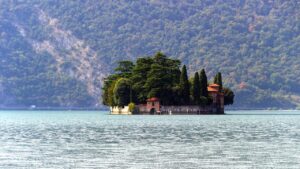 Most visitors know Lombardy for Milan and Lake Como – and rightfully so. But here’s what surprised me during my extensive travels through the region: the incredible diversity packed into this northern Italian powerhouse.
Picture this: morning espresso in a chic Milanese café, afternoon wine tasting in Valtellina’s terraced vineyards, and evening aperitivo overlooking Lake Garda’s sunset-painted waters. All possible in a single day.
Lombardy spans 23,844 square kilometers, making it Italy’s fourth-largest region by area but first in economic importance. Home to over 10 million people, it generates roughly 22% of Italy’s GDP – yet maintains that quintessentially Italian charm that makes every visit feel like a homecoming.
Top Destinations in Lombardy: Where to Go and Why
Milan: Fashion Capital Meets Cultural Hub
Milan needs no introduction, yet it consistently surprises first-time visitors. Yes, it’s Italy’s fashion and design capital, but scratch beneath the surface and you’ll discover a city where 15th-century masterpieces share space with cutting-edge architecture.
Must-See Milan Attractions:
The Duomo di Milano remains Milan’s crown jewel. Those Gothic spires reaching toward heaven? They’re even more breathtaking in person. Pro tip: book tickets online to skip the inevitable lines, and don’t miss the rooftop terraces for panoramic city views.
La Scala Opera House isn’t just for opera buffs. Even if you can’t catch a performance, the museum offers fascinating glimpses into centuries of musical history. The red velvet and gold interiors alone justify the visit.
Navigli District transforms completely after sunset. What starts as a sleepy canal area becomes Milan’s nightlife epicenter, with waterfront bars and restaurants creating that perfect Italian evening ambiance.
Lake Como: Hollywood’s Italian Hideaway
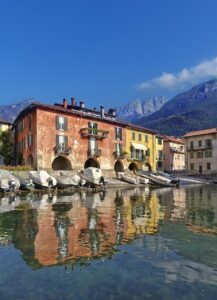
Lake Como’s reputation precedes it, but experiencing those mirror-like waters reflecting Alpine peaks creates an almost surreal sense of tranquility. Celebrity sightings aside, Como offers some of Europe’s most spectacular lakeside scenery.
Essential Lake Como Experiences:
Bellagio earns its “Pearl of Lake Como” nickname through cobblestone streets cascading toward the water, villa gardens that inspired countless painters, and that indefinable Italian elegance that makes every moment feel cinematic.
Villa del Balbianello in Lenno provides the perfect blend of architecture and nature. The terraced gardens, accessed only by boat or a scenic 20-minute walk, offer Instagram-worthy views at every turn.
Como to Bellagio Ferry Route isn’t just transportation – it’s sightseeing at its finest. Those 90 minutes on the water provide constantly changing perspectives of villas, mountains, and charming lakeside villages.
Lake Garda: Adventure Meets Relaxation
Lake Garda might be Italy’s largest lake, but it maintains an intimate feel despite its size. The northern shores offer dramatic mountain scenery and water sports, while southern areas provide gentle hills, thermal spas, and world-class wines.
Lake Garda Highlights:
Sirmione peninsula juts into the lake like a medieval fairy tale. The Scaliger Castle, built in the 13th century, guards the town entrance, while Roman ruins and natural thermal springs add historical depth to scenic beauty.
Riva del Garda in the north attracts outdoor enthusiasts with windsurfing, hiking trails, and that dramatic Alpine backdrop. The contrast between lake activities and mountain adventures creates perfect itinerary flexibility.
Bergamo: Medieval Magic in Two Parts
Bergamo reveals itself in layers – literally. Città Alta (Upper City) preserves medieval magnificence within ancient walls, while Città Bassa (Lower City) pulses with modern Italian life. The funicular connecting them adds a touch of adventure to exploration.
Bergamo’s Hidden Gems:
Piazza Vecchia in the Upper City ranks among Italy’s most beautiful squares. The medieval architecture, anchored by the 12th-century Palazzo della Ragione, creates an atmosphere where time seems suspended.
Basilica di Santa Maria Maggiore showcases Lombardy’s artistic heritage through stunning frescoes and intricate wooden choir stalls. The adjoining Colleoni Chapel displays Renaissance artistry at its finest.
Mantova (Mantua): Renaissance Perfection
Often overlooked by international visitors, Mantova rewards those who venture beyond mainstream destinations. This UNESCO World Heritage site preserves Renaissance urban planning and Gonzaga family grandeur in remarkable completeness.
Mantova Must-Sees:
Palazzo Ducale contains over 500 rooms showcasing centuries of artistic patronage. The Camera degli Sposi, with Mantegna’s revolutionary frescoes, alone justifies the journey.
Palazzo Te demonstrates Federico II Gonzaga’s sophisticated tastes through Giulio Romano’s architectural genius and elaborate interior decorations.
Best Time to Visit Lombardy: Seasonal Considerations
 Timing your Lombardy visit can dramatically impact your experience. Having visited in all seasons, here’s my honest assessment:
Spring (April-May): Perfect weather, blooming gardens, fewer crowds. Lake temperatures remain cool, but hiking conditions are ideal. This is my personal favorite time.
Summer (June-August): Peak season brings warm weather perfect for lake activities, but also maximum crowds and highest prices. Book accommodations well in advance.
Fall (September-October): Excellent weather continues, harvest season adds special charm to wine regions, and tourist numbers decrease. Great value for money.
Winter (November-March): Milan remains vibrant year-round, but lake towns quiet down significantly. However, Christmas markets and winter sports in nearby Alps create unique opportunities.
Getting Around Lombardy: Transportation Made Simple
Lombardy’s transportation network ranks among Europe’s most efficient, making multi-destination trips surprisingly straightforward.
Public Transportation:
Trenord regional trains connect major cities affordably and reliably. Milan to Como takes just 40 minutes, while Milan to Bergamo requires only 50 minutes.
Lake Ferries provide scenic transportation between lakeside villages. Como and Garda ferry systems run frequent schedules during tourist season.
Milan Public Transport integrates metros, buses, and trams through a single ticket system. The M1, M2, M3, M4, and M5 metro lines reach virtually every major attraction.
Car Rental Benefits:
Renting a car unlocks Lombardy’s hidden corners – those mountain villages, family-run wineries, and scenic drives that public transport can’t access. However, Milan’s traffic and limited parking make cars more hindrance than help within the city.
Where to Stay in Lombardy: Accommodation for Every Style
Milan Accommodation:
For detailed accommodation options in Italy’s fashion capital, our complete Milan travel guide provides comprehensive hotel recommendations for every budget.
Luxury: Park Hyatt Milano and Bulgari Hotel Milano offer fashion-district locations with impeccable service.
Mid-Range: Hotel Spadari al Duomo provides boutique charm steps from the cathedral.
Budget: Ostello Bello offers hostel comfort with Italian style in multiple city locations.
Lake Como Options:
Splurge: Grand Hotel Villa Serbelloni in Bellagio defines lakeside luxury.
Comfortable: Hotel Belvedere Bellagio balances location, amenities, and value.
Budget-Friendly: Lake Como Hostel in Menaggio provides affordable lake access.
Lombardy Food Scene: Culinary Adventures Await
Lombardy’s cuisine reflects its position between Mediterranean and Alpine influences, creating dishes you won’t find elsewhere in Italy.
Regional Specialties:
Risotto alla Milanese uses saffron to create that distinctive golden color and subtle flavor. Don’t accept substitutes – authentic versions require Carnaroli rice and genuine saffron.
Cotoletta alla Milanese predates Austria’s schnitzel by centuries. The bone-in veal cutlet, breaded and fried in butter, represents Lombard cooking at its finest.
Pizzoccheri from Valtellina combines buckwheat pasta with potatoes, cabbage, and local cheese. This hearty mountain dish provides perfect fuel for Alpine adventures.
Wine Regions:
Valtellina produces remarkable Nebbiolo-based wines from terraced vineyards that seem to defy gravity. The scenery alone makes wine tours worthwhile.
Franciacorta creates Italy’s premier sparkling wines using traditional methods. Tastings in these rolling hills provide sophisticated alternatives to Prosecco.
Shopping in Lombardy: From Fashion to Local Crafts
Milan Fashion District:
Milan’s fashion capital status extends far beyond international runways. The Quadrilatero della Moda (Fashion Quadrilateral) forms the epicenter of Italian fashion. Via Montenapoleone, Via della Spiga, Via Sant’Andrea, and Via Manzoni house flagship stores of every major designer.
Galleria Vittorio Emanuele II combines shopping with architectural splendor. The 19th-century iron and glass structure houses luxury boutiques beneath soaring ceilings.
Local Markets:
Mercato di Brera on Saturdays offers antiques, local crafts, and that authentic Milanese market atmosphere.
Como Silk Shops continue centuries-old traditions. Local artisans create scarves, ties, and fabrics using techniques passed down through generations.
Outdoor Activities: Beyond City Exploration
Lombardy’s geography creates outdoor opportunities ranging from gentle lake walks to challenging Alpine climbs.
Hiking Options:
Sentiero del Viandante along Lake Como’s eastern shore provides 45 kilometers of lakeside and hillside paths with consistently spectacular views.
Valtellina Trails range from easy valley walks to demanding high-altitude routes in Stelvio National Park.
Water Sports:
Lake Garda offers ideal windsurfing and sailing conditions, particularly around Riva del Garda where consistent thermal winds create perfect conditions.
Lake Como provides more peaceful water activities – kayaking, swimming, and boat tours suit most fitness levels.
Day Trip Ideas from Major Lombardy Cities
From Milan:
- Lake Como Circuit: Como, Bellagio, and Varenna in one day via train and ferry
- Bergamo Day Trip from Milan:
- Bergamo Discovery: Upper and Lower cities, easily accessible by train
- Pavia and Certosa: University town plus magnificent Carthusian monastery
As detailed in our comprehensive Bergamo guide, this UNESCO World Heritage city offers perfectly preserved medieval walls and authentic Italian atmosphere just 50 kilometers from Milan.
From Lake Como:
- Swiss Excursion: St. Moritz via scenic Bernina Express train
- Lugano Day Trip: Swiss lakeside elegance just across the border
- Valtellina Wine Tour: Mountain vineyards and traditional cuisine
Cultural Events and Festivals
Lombardy’s cultural calendar offers experiences ranging from world-famous opera to local harvest celebrations.
Annual Highlights:
La Scala Season (December-July) presents opera, ballet, and classical concerts in legendary surroundings. Even if tickets prove elusive, free outdoor broadcasts often accompany major premieres.
Salone del Mobile (April) transforms Milan into global design headquarters. This furniture and design fair influences trends worldwide.
Bergamo Jazz Festival (March-May) brings international artists to intimate venues throughout the medieval city.
Practical Travel Information
Language: Italian dominates, but English finds increasing acceptance in tourist areas and Milan business districts.
Currency: Euro (EUR). Credit cards work almost everywhere, but carry cash for small purchases and rural areas.
Tipping: Not obligatory but appreciated. Round up bills or add 5-10% for exceptional service.
Safety: Lombardy ranks among Europe’s safest regions. Standard urban precautions apply in Milan, while rural areas present virtually no security concerns.
Planning Your Lombardy Itinerary: Sample Routes
5-Day Classic Route:
- Days 1-2: Milan (Duomo, La Scala, Navigli, shopping)
- Day 3: Lake Como (Bellagio, Como, villa visits)
- Day 4: Bergamo (Upper City, Lower City, funicular)
- Day 5: Return to Milan (final shopping, museums)
7-Day Comprehensive Tour:
- Days 1-2: Milan
- Days 3-4: Lake Como
- Day 5: Lake Garda
- Day 6: Mantova
- Day 7: Return via Bergamo
10-Day Deep Dive:
Add Valtellina wine region, Brescia, and extended time in preferred locations. For additional inspiration on Italian destinations, explore our guides to Sicily’s fascinating capital Palermo or Puglia’s coastal gem Bari.
Final Thoughts: Why Lombardy Deserves Your Time
After multiple visits spanning several years, Lombardy continues revealing new facets. Yes, Milan dazzles with fashion and sophistication. Lake Como enchants with timeless beauty. But it’s the unexpected discoveries – that perfect aperitivo spot in Bergamo, the family winery in Valtellina, the quiet morning in Mantova’s Renaissance squares – that transform good trips into unforgettable experiences.
Lombardy succeeds because it doesn’t try too hard. The region simply exists, confident in its attractions, comfortable with its blend of ancient and modern, secure in its position as northern Italy’s cultural and economic heart.
Whether you’re planning a weekend Milan getaway, a romantic Lake Como retreat, or a comprehensive northern Italy exploration, Lombardy provides the perfect Italian experience – sophisticated yet authentic, beautiful yet accessible, historic yet vibrantly contemporary.
Start planning now. Lombardy is waiting, and trust me, it won’t disappoint.
Frequently Asked Questions About Lombardy Travel
Q: How many days do you need to see Lombardy?
A: I’d recommend minimum 5-7 days to see the highlights (Milan, Lake Como, one additional destination). For a comprehensive experience including smaller towns and wine regions, plan 10-14 days.
Q: What’s the best way to get from Milan to Lake Como?
A: Take the Trenord regional train from Milano Centrale to Como San Giovanni (40 minutes, €4.80). From Como, ferries connect you to Bellagio and other lakeside towns.
Q: Is Lombardy expensive to visit?
A: Milan can be pricey, especially accommodation and dining in fashion districts. However, Lake Como and smaller towns offer better value. Budget €80-120/day for mid-range travel, €150+/day for luxury.
Q: When is the best time to visit Lombardy?
A: April-May and September-October offer ideal weather with fewer crowds. Summer (June-August) is perfect for lake activities but busiest. Winter works well for Milan city breaks.
Q: Can you visit Lombardy without speaking Italian?
A: Absolutely. English is widely spoken in Milan’s tourist areas, major hotels, and Lake Como. In smaller towns, basic Italian phrases help, but locals are generally patient with tourists.
Q: What should I pack for a Lombardy trip?
A: Pack layers regardless of season. Comfortable walking shoes are essential. For Milan, bring smart casual clothes for evenings. Lake areas require swimwear in summer and warm layers for boat trips.
Q: Are Lombardy’s lakes swimmable?
A: Yes! Lake Como and Lake Garda offer excellent swimming from May through September. Water temperatures reach 20-24°C (68-75°F) in summer. Many lakeside hotels provide private swimming areas.
Q: How do I get around within Milan?
A: Milan’s metro system (M1-M5 lines) is efficient and affordable. Day passes cost €7. Taxis and ride-sharing are available but traffic can be heavy. The city center is very walkable.
Q: What’s the difference between Lake Como and Lake Garda?
A: Lake Como offers more intimate, romantic scenery with celebrity glamour. Lake Garda is larger with better water sports opportunities and family-friendly activities. Como suits couples; Garda works better for active families.
Q: Is it worth visiting Lombardy in winter?
A: Milan remains vibrant year-round with indoor attractions, shopping, and cultural events. Lake towns quiet down significantly, but nearby Alps offer skiing. Christmas markets add special winter charm.
Planning your Lombardy adventure? Save this guide and share it with fellow travelers. For more Italian travel inspiration and practical tips, explore our complete Italy travel series.
Related Articles:
- Complete Milan Travel Guide 2025
- Bergamo: Medieval Charm Near Milan
- Palermo: Sicily’s Cultural Capital
- Bari: Gateway to Puglia
- Elba Island: Tuscan Paradise
🇮🇹 Useful Websites for Visiting Lombardy, Italy
🌍 Official Tourism Portals
-
InLombardia – Official Tourism Website of Lombardy
https://www.in-lombardia.it
➤ Main source for information on attractions, regions (Lake Como, Milan, Bergamo), events, hiking and cycling trails, and gastronomy. -
Italia.it – Official Italian Tourism Website (Lombardy section)
https://www.italia.it/en/lombardy
➤ Discover Lombardy’s culture, history, nature, and things to do. -
Explora – Regional Tourism Promotion Agency for Lombardy
https://explora.in-lombardia.it
➤ For both travelers and tourism professionals – multimedia content, maps, brochures.
🗺️ Local Tourist Information and Maps
-
Visit Milan (YesMilano) – Official Website of the City of Milan
https://www.yesmilano.it
➤ Events, museums, transportation, sightseeing, Milano Card and online tickets. -
Visit Bergamo – Official Tourism Website of Bergamo
https://www.visitbergamo.net
➤ Tourist guides, maps, events, accommodation, and attractions. -
Visit Lake Como – Official Website for Lake Como Tourism
https://www.visitcomo.eu
➤ Towns around the lake, boat schedules, beaches, hotels, and landmarks. -
Visit Lake Garda – Tourism in the Lombard part of Lake Garda
https://www.lakegarda.com
➤ Resorts, bike routes, castles, theme parks, and water activities.
🚄 Transport, City Cards, and Practical Info
-
Trenord – Lombardy’s Regional Train Service
https://www.trenord.it
➤ Train schedules, routes, and ticket information (e.g., Milan–Como–Bergamo). -
MilanoCard – Milan’s Official Tourist Card
https://www.milanocard.it
➤ Discounts for museums, public transport access, and tourist offers. -
ATM Milano – Milan Public Transport Authority
https://www.atm.it
➤ Metro, buses, trams – maps, tickets, timetables, and mobile apps.