
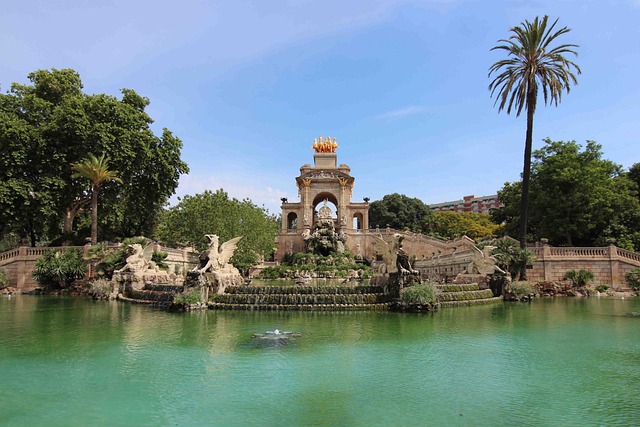
 Spanning 70 acres in the heart of Barcelona, Parc de la Ciutadella stands as the city’s most beloved urban sanctuary where magnificent fountains, world-class cultural venues, and lush Mediterranean landscapes create an extraordinary oasis that perfectly embodies Barcelona’s harmonious blend of natural beauty and urban sophistication. This historic park, born from the transformation of an 18th-century military fortress, has evolved into Barcelona’s premier recreational destination where locals and visitors gather to experience the city’s most tranquil and inspiring outdoor environment.More than just green space, Parc de la Ciutadella represents Barcelona’s commitment to urban livability and cultural accessibility, housing the Catalan Parliament, Natural History Museum, Barcelona Zoo, and the spectacular Cascada fountain within landscapes that change dramatically with the seasons while maintaining year-round appeal. Each day, thousands of families, joggers, artists, and culture seekers discover why this park serves as Barcelona’s outdoor living room where Mediterranean lifestyle meets world-class urban planning in perfect harmony. 🏛️
From Fortress to Paradise: Historical Transformation 🏰
The story of Parc de la Ciutadella begins with conflict and transformation, as this peaceful green space emerged from the controversial site of a massive star-shaped fortress built by Philip V in 1715 to control rebellious Barcelona after the War of Spanish Succession. The citadel, which occupied nearly 20% of the old city, stood as a symbol of oppression until its demolition in 1869-1888 finally allowed Barcelona to reclaim this valuable urban land for public benefit.
The park’s creation coincided with preparations for the 1888 Universal Exposition, when visionary urban planners transformed the former military site into a showcase of progressive park design that demonstrated how cities could provide quality outdoor recreation for all social classes. The exposition’s legacy remains visible throughout the park in the form of magnificent pavilions, ornamental gardens, and the spectacular Cascada fountain that continues serving as the park’s visual and symbolic centerpiece. 🌊
This transformation from military fortress to public paradise reflects broader 19th-century movements toward democratic urban planning that prioritized citizen welfare over authoritarian control. The park’s development established principles of public access, cultural integration, and environmental quality that continue influencing Barcelona’s approach to urban green space management and community development throughout the metropolitan area. ✨
The Cascada Fountain: Monumental Water Spectacle 💫
Architectural Grandeur and Artistic Integration
The Cascada fountain stands as one of Europe’s most spectacular urban water features, where monumental architecture combines with flowing water to create a breathtaking centerpiece that anchors Parc de la Ciutadella’s visual and social landscape. Designed by Josep Fontserè with assistance from a young Antoni Gaudí, this magnificent structure demonstrates how public art can achieve both aesthetic excellence and practical function within urban park systems.
The fountain’s design draws inspiration from the Trevi Fountain in Rome while incorporating distinctly Catalonian elements that reflect Barcelona’s cultural identity and artistic traditions. The central triumphal arch, flanked by cascading water features and ornate sculptural groups, creates dramatic visual effects that change throughout the day as sunlight and shadows interact with flowing water and carved stone surfaces. 🗿
Symbolic Meaning and Cultural Significance
Beyond its obvious beauty, the Cascada fountain embodies Barcelona’s 19th-century aspirations toward European cultural leadership and urban sophistication. The fountain’s allegorical sculptures represent themes of renewal, abundance, and civic pride that reflected the city’s emergence from political oppression toward cultural and economic prosperity during the industrial revolution.
The fountain’s continued popularity as a gathering place, photography backdrop, and symbol of Barcelona demonstrates how successful public art transcends its original context to become integral to urban identity and community life. Visitors from around the world recognize the Cascada as quintessentially Barcelona, while locals use it as a landmark, meeting point, and source of civic pride. 📸
Seasonal Transformations and Daily Rhythms
The fountain experiences dramatic transformations throughout both daily and seasonal cycles, offering constantly changing experiences for regular visitors and first-time explorers alike. Morning light creates ethereal effects as mist from the cascading water catches early sunlight, while afternoon sessions provide dramatic contrasts between bright sky and shadowed architectural details.
Seasonal changes bring different character to the fountain experience, from spring’s fresh green surroundings and comfortable viewing conditions to summer’s refreshing cooling effects and extended evening hours. Autumn provides exceptional photography conditions with beautiful natural lighting, while winter reveals the fountain’s architectural details more clearly without summer’s lush vegetation. 🌸
Barcelona Zoo: Wildlife Conservation in the City 🦁
Modern Conservation and Education Mission
Barcelona Zoo has evolved from a traditional animal display facility into a modern conservation center dedicated to wildlife protection, scientific research, and environmental education that serves over one million visitors annually. The zoo’s 32-acre site within Parc de la Ciutadella houses more than 2,000 animals representing 400 species, with particular emphasis on endangered species breeding programs and habitat conservation initiatives.
The facility’s transformation reflects contemporary understanding of zoo’s educational and conservation responsibilities, with naturalistic habitats replacing cages while interpretive programs help visitors understand wildlife conservation challenges and solutions. The zoo’s research programs contribute to international species preservation efforts while educational initiatives inspire future generations to value and protect biodiversity. 🐾
Iconic Animals and Popular Attractions
The zoo’s most beloved residents include a remarkable collection of primates, big cats, and marine mammals that demonstrate the diversity of global wildlife while highlighting conservation success stories. The aquarium complex showcases Mediterranean marine ecosystems alongside tropical species, providing comprehensive aquatic education within the broader terrestrial wildlife experience.
Family-friendly features include animal feeding demonstrations, educational talks by zookeepers, and interactive exhibits that allow children to learn about animal behavior and conservation through hands-on experiences. The zoo’s integration within the larger park creates unique opportunities for combining wildlife encounters with recreational activities and cultural experiences. 🌊
Conservation Programs and Global Impact
Barcelona Zoo participates in international breeding programs for endangered species while supporting field conservation projects in Africa, Asia, and South America. These efforts demonstrate how urban zoos can contribute meaningfully to global wildlife protection while serving local educational and recreational needs.
Research facilities within the zoo advance scientific understanding of animal behavior, veterinary medicine, and conservation biology while training the next generation of wildlife professionals. These programs connect Barcelona to global conservation networks while providing local residents with opportunities to support wildlife protection through education and engagement. 🔬
Cultural Venues: Museums and Institutions 🎨
Catalan Parliament: Democracy in Green Setting
The Catalan Parliament building, housed within a beautiful 19th-century arsenal that survived the fortress demolition, represents the restoration of Catalonian self-governance within an appropriately dignified setting. The building’s neoclassical architecture provides an elegant backdrop for democratic institutions while its park location ensures accessibility and symbolic connection to public space.
While the Parliament building itself requires special arrangements for interior visits, its exterior architecture and surrounding gardens provide excellent opportunities for understanding Catalonian political history and contemporary governance. The building’s integration within the park demonstrates how democratic institutions can maintain dignity while remaining accessible to citizens. 🏛️
Natural Sciences Museum: Learning and Discovery
The Natural Sciences Museum offers comprehensive exploration of natural history, geology, and environmental science within elegant historic pavilions that date from the 1888 Universal Exposition. The museum’s collections include significant archaeological finds, geological specimens, and botanical displays that provide context for understanding Barcelona’s natural environment and broader Mediterranean ecosystems.
Educational programs and temporary exhibitions connect natural science to contemporary environmental challenges while inspiring appreciation for biodiversity and conservation. The museum’s location within the park creates opportunities for connecting indoor learning with outdoor observation and exploration. 🔍
Art and Cultural Installations
Throughout the park, various sculptures, monuments, and artistic installations create an outdoor museum experience that complements the formal cultural venues. These works span from 19th-century commemorative sculptures to contemporary artistic interventions that reflect evolving approaches to public art and community engagement.
Temporary art installations and cultural events regularly transform different areas of the park, creating dynamic cultural programming that keeps the space fresh and engaging for regular visitors while providing unique experiences for tourists seeking authentic cultural encounters beyond traditional museum settings. 🎭
Recreation and Activities: Urban Playground for All Ages 🎪
Water Activities and Lake Recreation
The park’s recreational lake provides unique opportunities for water-based activities within Barcelona’s urban core, including rowboat rentals that allow visitors to experience the park from water-level perspectives while enjoying peaceful exercise and family bonding. The lake’s landscaped surroundings create scenic backdrops for boating while providing habitat for waterfowl and aquatic plants.
Fishing is permitted in designated areas, offering urban angling experiences that connect city dwellers with traditional outdoor recreation while supporting the lake’s ecological balance. The water features throughout the park create cooling microclimates that make outdoor activities more comfortable during Barcelona’s warm summer months. 🚣
Sports and Fitness Facilities
Extensive walking and jogging paths wind throughout the park, providing safe, scenic routes for exercise that connect different attractions while offering varied terrain and difficulty levels. These paths accommodate everything from casual family walks to serious athletic training, making the park Barcelona’s most popular outdoor fitness destination.
Open lawn areas provide space for team sports, yoga classes, and informal games that demonstrate how public parks can support diverse recreational needs within shared spaces. The park’s mature tree canopy provides natural shading that makes outdoor activities comfortable throughout most of the year. ⚽
Playgrounds and Family Activities
Multiple playground areas throughout the park cater to different age groups and activity preferences, from traditional playground equipment for younger children to adventure play areas that challenge older kids while ensuring safety and accessibility. These facilities make the park Barcelona’s premier family destination for outdoor recreation.
Picnic areas with tables and grilling facilities encourage extended family visits while creating opportunities for social interaction and community building. The park’s design accommodates large family gatherings and community events while maintaining peaceful spaces for quiet relaxation and contemplation. 👨👩👧👦
Botanical Diversity: Mediterranean Garden Showcase 🌺
Native Plant Communities and Ecosystems
Parc de la Ciutadella showcases the remarkable diversity of Mediterranean plant communities while demonstrating how urban landscapes can support native biodiversity and ecological function. The park’s plant collections include species from throughout the Mediterranean basin, creating educational opportunities for understanding regional ecology and climate adaptation strategies.
Mature specimen trees, some planted during the park’s 19th-century development, provide dramatic seasonal displays while supporting urban wildlife populations and creating beneficial microclimates. These trees represent living historical documents that connect contemporary visitors with previous generations of Barcelona residents who planned and planted this urban forest. 🌲
Seasonal Garden Displays and Horticultural Excellence
Formal garden areas throughout the park demonstrate principles of Mediterranean horticulture while providing spectacular seasonal color displays that change dramatically throughout the year. Spring brings flowering trees and bulb displays, while summer features drought-tolerant plants that thrive in Barcelona’s warm, dry climate.
The park’s horticultural staff maintain demonstration gardens that showcase sustainable landscaping techniques and water-wise gardening practices appropriate for Mediterranean climates. These displays provide practical inspiration for home gardeners while contributing to environmental education and conservation awareness. 🌹
Wildlife Habitat and Urban Ecology
Despite its urban location, the park supports diverse wildlife populations including resident and migratory bird species, small mammals, and numerous insects that contribute to urban ecosystem health. The park’s varied habitats, from open lawns to dense tree canopies to aquatic environments, demonstrate how thoughtful landscape design can support biodiversity within cities.
Educational programs help visitors understand urban ecology while encouraging behaviors that support wildlife conservation. The park serves as a living laboratory for studying urban environmental challenges and solutions while providing residents with opportunities to connect with nature without leaving the city. 🦋
Transportation and Access: Gateway to Green Space 🚇
Metro and Public Transportation Connections
Parc de la Ciutadella enjoys excellent public transportation access through multiple metro stations that provide convenient connections from throughout Barcelona’s urban area. Arc de Triomf station (Line 1) offers direct access to the park’s main entrance, while Ciutadella-Vila Olímpica station (Line 4) serves the eastern sections near the zoo and marina.
Multiple bus routes provide additional access options while bike-sharing stations throughout the park perimeter encourage sustainable transportation and recreational cycling. The park’s central location makes it easily accessible by foot from the Gothic Quarter, Born neighborhood, and other central Barcelona districts. 🚲
Parking and Vehicle Access
Limited street parking surrounds the park, though public transportation provides more convenient and environmentally responsible access for most visitors. The park’s urban location and excellent transit connections make car travel unnecessary for most purposes while contributing to reduced traffic congestion and air pollution in central Barcelona.
Bicycle parking facilities throughout the park encourage cycling as both transportation and recreation while supporting Barcelona’s broader commitment to sustainable urban mobility. The park’s integration with regional bicycle networks allows for extended cycling tours that combine urban park experiences with broader recreational opportunities. 🚗
Photography Guide: Capturing Urban Nature 📷
Cascada Fountain Photography Techniques
The Cascada fountain provides Barcelona’s most dramatic urban photography opportunities, with monumental architecture and flowing water creating constantly changing visual compositions. Long exposure techniques capture smooth water flows while maintaining sharp architectural details, particularly effective during early morning or late afternoon light.
Different viewpoints around the fountain offer varied perspectives, from intimate detail shots of sculptural elements to sweeping compositions that include surrounding landscape and architecture. The fountain’s reflection in calm water creates opportunities for symmetrical compositions that emphasize the structure’s monumentality and artistic significance. 📸
Wildlife and Nature Photography
The park’s diverse wildlife populations provide excellent opportunities for urban nature photography, from waterbirds on the lake to songbirds in the tree canopies. Patient photographers can capture behavioral moments while the park’s varied habitats offer different backgrounds and lighting conditions for wildlife subjects.
Macro photography opportunities abound in the park’s gardens and natural areas, from flowering plants and insects to textural details in tree bark and architectural elements. The park’s combination of formal landscaping and naturalistic areas provides diverse subjects for photographers interested in documenting urban nature and landscape design. 🦜
Seasonal Photography and Lighting Conditions
Each season offers distinct photographic opportunities in the park, from spring’s flowering trees and fresh green foliage to autumn’s dramatic color changes and winter’s architectural clarity. Summer’s extended daylight hours allow for early morning and late evening photography when lighting conditions are most favorable.
The park’s mature tree canopy creates varied lighting conditions throughout the day, from dappled sunlight filtering through leaves to dramatic shadows and highlights. Understanding these lighting patterns allows photographers to plan shoots that take advantage of optimal conditions for different subjects and artistic effects. 🌅
Seasonal Experiences: Year-Round Urban Sanctuary 🌸
Spring Awakening: Nature’s Renaissance
Spring transforms Parc de la Ciutadella into a botanical wonderland where flowering trees, blooming gardens, and renewed activity create Barcelona’s most beautiful urban landscape. The season’s mild temperatures and extended daylight hours provide ideal conditions for all park activities while the fresh green foliage creates stunning backdrops for photography and outdoor recreation.
Spring also marks the beginning of expanded cultural programming, with outdoor concerts, art exhibitions, and community events taking advantage of pleasant weather and renewed interest in outdoor activities. The zoo welcomes new animal babies while gardens burst with seasonal color displays that demonstrate Mediterranean horticultural excellence. 🌸
Summer Vibrancy: Urban Cooling and Community Life
Summer brings the park to life with intensive use by locals seeking relief from urban heat through the cooling effects of water features, tree shade, and green spaces. Extended operating hours and warm evenings create opportunities for sunset picnics, evening exercise, and romantic walks through illuminated landscapes.
The lake becomes particularly popular for rowboat rentals while water features throughout the park provide natural air conditioning that makes outdoor activities comfortable even during Barcelona’s warmest weather. Summer programming includes outdoor cinema, music festivals, and cultural events that demonstrate the park’s role as Barcelona’s premier outdoor entertainment venue. ☀️
Autumn Colors: Contemplative Beauty
Autumn reveals the park’s most contemplative character as changing foliage creates spectacular color displays while cooler temperatures encourage longer visits and more intimate experiences with the landscape. The season’s dramatic lighting conditions provide exceptional photography opportunities while reduced summer crowds allow for peaceful contemplation and relaxation.
Fall migration brings temporary wildlife visitors while the park’s mature trees display the full spectrum of autumn colors that rival any natural forest. This season particularly appeals to artists, photographers, and nature lovers seeking inspiration within urban environments that maintain connections to natural cycles and seasonal rhythms. 🍂
Winter Serenity: Peaceful Urban Retreat
Winter transforms the park into a peaceful retreat where clear air, dramatic lighting, and reduced vegetation reveal architectural details and landscape structures often hidden during lusher seasons. The Mediterranean winter climate maintains comfortable conditions for outdoor activities while creating intimate atmospheres perfect for quiet reflection and solitary exploration.
Winter bird watching becomes particularly rewarding as deciduous trees provide clearer sightlines while resident and visiting species concentrate around water features and feeding areas. The season’s soft light creates excellent conditions for architectural and landscape photography while the peaceful atmosphere appeals to visitors seeking contemplative urban experiences. ❄️
Community Life: Social Hub and Cultural Gathering Place 👥
Daily Rhythms and Local Culture
Parc de la Ciutadella serves as Barcelona’s most important social mixing ground where residents from diverse neighborhoods and backgrounds gather for recreation, exercise, and community connection. The park’s daily rhythms reflect broader patterns of Mediterranean urban life, from morning exercise enthusiasts and dog walkers to afternoon families and evening social gatherings.
Regular activities include informal sports groups, exercise classes, art workshops, and musical performances that demonstrate how public spaces can foster community bonds while providing outlets for creative expression and social interaction. The park’s inclusive atmosphere welcomes visitors regardless of age, background, or economic status. 🤝
Events and Festivals
Throughout the year, the park hosts numerous community events, cultural festivals, and public celebrations that strengthen neighborhood ties while introducing visitors to authentic Barcelona culture. Major celebrations include Sant Jordi’s Day book and flower markets, summer music festivals, and holiday festivities that transform different areas of the park into celebration venues.
These events demonstrate how public parks can serve multiple community functions while maintaining their primary role as recreational and natural spaces. The park’s flexible design accommodates everything from intimate gatherings to large-scale festivals without compromising its everyday accessibility and functionality. 🎉
Educational and Environmental Programs
Environmental education programs throughout the park help visitors understand urban ecology while encouraging sustainable behaviors and conservation awareness. These initiatives include guided nature walks, gardening workshops, and citizen science projects that engage community members in environmental stewardship and scientific research.
School groups regularly use the park for outdoor education that combines recreation with learning about natural sciences, history, and environmental responsibility. These programs demonstrate how urban parks can serve educational functions while inspiring future generations to value and protect green spaces and environmental quality. 🌱
Frequently Asked Questions 🤔
What are the opening hours of Parc de la Ciutadella?
Parc de la Ciutadella is open daily from 10:00 AM to 10:30 PM. The park is free to enter, though some attractions within like the zoo and museums charge separate admission fees. Extended summer hours may apply during peak season, and the park remains accessible for early morning exercise before official opening hours.
What are the main attractions in Parc de la Ciutadella?
Key attractions include the magnificent Cascada fountain, Barcelona Zoo, Catalan Parliament building, Natural History Museum, recreational lake with rowboat rentals, Arc de Triomf entrance, and extensive gardens perfect for picnics and relaxation. Each attraction offers unique experiences that contribute to the park’s comprehensive recreational and cultural appeal.
How do you get to Parc de la Ciutadella?
Access via Metro Line 1 to Arc de Triomf station, which leads directly to the park’s main entrance. Alternatively, use Ciutadella-Vila Olímpica station (Line 4) or multiple bus routes. The park is easily walkable from the city center and Gothic Quarter, making it accessible through various transportation options.
Is Parc de la Ciutadella good for families?
Yes, the park is extremely family-friendly with playgrounds, open lawns for games, the popular zoo, boat rentals, and safe walking paths. It’s Barcelona’s most popular destination for families seeking outdoor recreation and nature experiences within the city, with facilities and activities for all ages.
Can you have picnics in Parc de la Ciutadella?
Absolutely! The park encourages picnicking with numerous designated areas, open lawns, and shaded spots under mature trees. Many visitors bring food and drinks to enjoy outdoor dining in this beautiful urban oasis, with some areas providing tables and grilling facilities.
Are there guided tours of the park?
Various guided tour options include general park tours, botanical walks, historical tours focusing on the fortress transformation, and specialized programs for school groups. Audio guides are available for self-guided exploration, while volunteer naturalists occasionally offer informal educational programs.
What’s the best time to visit Parc de la Ciutadella?
Early morning provides peaceful conditions ideal for exercise and photography, while late afternoon offers beautiful lighting and comfortable temperatures. Each season provides different experiences, with spring and autumn offering optimal weather conditions for extended visits and outdoor activities.
Hidden Corners and Secret Spots 💎
Quiet Retreats and Contemplative Spaces
Beyond the popular attractions, Parc de la Ciutadella harbors numerous quiet corners and hidden gardens where visitors can escape crowds while enjoying intimate encounters with urban nature. These secret spots, known primarily to local residents and frequent visitors, provide opportunities for solitary contemplation and peaceful relaxation away from the main circulation routes.
Ancient trees throughout the park create natural sanctuaries where filtered light and natural acoustics provide restorative environments perfect for reading, meditation, or quiet conversation. These spaces demonstrate how thoughtful park design can accommodate both social activities and individual needs within shared public environments. 🌿
Historical Remnants and Archaeological Features
Careful observers can discover remnants of the original fortress throughout the park, from foundation stones and defensive earthworks to architectural fragments that tell stories of the site’s military history. These historical traces provide context for understanding the dramatic transformation from military installation to public recreation space.
Recent archaeological discoveries continue revealing new information about the fortress period while ongoing research projects help visitors understand the complex history that shapes contemporary park experiences. These historical elements add depth and meaning to casual visits while providing educational opportunities for those interested in Barcelona’s urban development. 🏺
Conclusion: Where City Meets Nature in Perfect Harmony ✨
Parc de la Ciutadella embodies Barcelona’s remarkable ability to create urban environments that enhance rather than compromise quality of life, where magnificent cultural venues, diverse recreational opportunities, and thriving natural ecosystems coexist within a single accessible public space that serves residents and visitors with equal grace and dignity. This green heart of Barcelona demonstrates how thoughtful urban planning can transform conflict into beauty while creating lasting benefits for entire communities.
The park’s greatest achievement lies in its successful integration of multiple functions—recreation and conservation, culture and nature, individual contemplation and community celebration—within landscapes that maintain their essential character while adapting to changing community needs and environmental challenges. Every path, every fountain, and every garden contributes to a comprehensive urban experience that enriches daily life while providing respite from metropolitan intensity.
As you wander through Parc de la Ciutadella’s tree-lined paths or relax beside its magnificent fountain, remember that you’re experiencing more than beautiful landscaping—you’re witnessing the materialization of democratic ideals that value public access to beauty, nature, and culture as fundamental human rights. This remarkable park invites reflection on how cities can nurture both human communities and natural ecosystems while celebrating the creative potential that emerges when diverse people gather in spaces designed for sharing, learning, and wonder. Welcome to Barcelona’s green sanctuary where urban dreams bloom eternal. 🌳💫
Last updated: July 19, 2025