
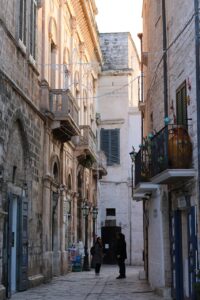
 Step into Barcelona’s Gothic Quarter and instantly travel back 2,000 years through layers of history etched in stone. This labyrinthine medieval neighborhood, known locally as “Barrio Gótico,” represents the beating heart of old Barcelona where Roman foundations support Gothic cathedrals, narrow cobblestone alleys hide ancient secrets, and every corner whispers tales of kings, saints, and ordinary citizens who shaped Catalonia’s extraordinary heritage.Spanning just one square kilometer, the Gothic Quarter contains more historical significance per square meter than virtually any other European district. From 4th-century Roman walls to 14th-century Gothic masterpieces, this UNESCO-protected area showcases an unbroken timeline of architectural evolution. More than 4 million visitors annually discover why this medieval maze continues to enchant travelers seeking authentic encounters with Spain’s most compelling historical narrative. 🏰
A Journey Through Time: Gothic Quarter’s Layered History 📚
The Gothic Quarter’s story begins with Roman Barcino, founded in 15 BC as a fortified settlement overlooking the Mediterranean. Massive stone walls, still visible today, protected this thriving commercial hub for over 400 years. When the Roman Empire declined, Visigothic rulers maintained the settlement’s importance until the Moorish conquest brought Islamic influence to the region.
The medieval transformation began in earnest during the 12th century when Barcelona emerged as a powerful maritime republic. Gothic architecture flourished between the 13th and 15th centuries, creating the neighborhood’s
defining character. Master builders constructed soaring cathedrals, elegant palaces, and merchant houses that demonstrated Catalonia’s growing wealth and political independence.
The quarter survived various sieges, plagues, and political upheavals while maintaining its residential character. During the 19th century, industrial expansion threatened many historic buildings, but preservation movements saved this architectural treasure. Today’s Gothic Quarter balances medieval authenticity with modern amenities, creating a living museum where locals and visitors share centuries-old streets. ⏳
Essential Architectural Marvels and Historical Sites 🏛️
Barcelona Cathedral: Gothic Grandeur Personified
The Cathedral of the Holy Cross and Saint Eulalia dominates the Gothic Quarter with its magnificent 14th-century facade and soaring spires. This architectural masterpiece, dedicated to Barcelona’s patron saint, showcases the finest elements of Catalan Gothic style. The cathedral’s interior houses 13 white geese in the peaceful cloister—one for each year of Saint Eulalia’s life—creating an unexpected oasis of tranquility amid urban bustle.
Visitors can ascend to the cathedral’s rooftop terrace for panoramic views across Barcelona’s medieval landscape to the Mediterranean beyond. The elevator ride costs just €3 and provides perspective on how the Gothic Quarter integrates with modern Barcelona. The cathedral’s treasury displays precious medieval artifacts, while the crypt contains Saint Eulalia’s marble sarcophagus, carved with scenes from her martyrdom. 🕊️
Plaça del Rei: Royal Splendor and Hidden Depths
The Royal Plaza serves as the Gothic Quarter’s ceremonial heart, surrounded by medieval palaces that once housed Catalonia’s most powerful rulers. The imposing Palau Reial Major features the magnificent Saló del Tinell, a 14th-century throne room where legends claim Columbus reported his American discoveries to the Catholic Monarchs.
Beneath the plaza lie remarkable archaeological remains accessible through the Barcelona City History Museum. These underground excavations reveal Roman streets, workshops, and homes preserved in remarkable detail. Visitors walk on glass walkways above ancient foundations while multimedia displays bring Roman Barcino to life, creating an unforgettable journey through 2,000 years of continuous habitation. 👑
Jewish Quarter (El Call): Echoes of Medieval Life
Barcelona’s medieval Jewish quarter occupies some of the Gothic Quarter’s narrowest streets, where centuries-old buildings preserve traces of a once-thriving Sephardic community. The tiny Carrer del Call, barely wide enough for two people, leads to hidden courtyards and ancient doorways marked with Hebrew inscriptions.
The recently restored medieval synagogue on Carrer Marlet offers insight into Jewish life before the 1391 pogroms devastated the community. This intimate space, one of Europe’s oldest synagogues, displays artifacts recovered during archaeological excavations and explains the complex relationship between Jewish, Christian, and Muslim communities in medieval Barcelona. 🕯️
Hidden Plazas and Secret Courtyards: Discovering Urban Oases 🌿
Plaça de Sant Felip Neri: Tranquil Beauty with Dark History
This intimate square, shaded by aromatic orange trees and surrounded by baroque buildings, appears to epitomize peaceful charm. However, closer inspection reveals bullet holes and shrapnel marks on the church facade—silent witnesses to Civil War bombing that killed 42 people, mostly children, in 1938. The juxtaposition of beauty and tragedy makes this one of Barcelona’s most emotionally powerful spaces.
The square’s 18th-century church houses a small museum displaying religious artifacts, while the adjacent buildings contain artisan workshops and boutiques selling handcrafted goods. A Renaissance fountain provides soothing background music, making this hidden plaza perfect for quiet contemplation away from tourist crowds. 🕊️
Plaça de la Mercè: Local Life and Cultural Celebrations
Named after Barcelona’s co-patron saint, this charming square showcases everyday Gothic Quarter life where locals gather for coffee, children play on cobblestones, and elderly residents feed pigeons from park benches. The Mercè church, rebuilt after Civil War damage, hosts the city’s most important festival each September when the entire neighborhood erupts in celebration.
Traditional shops surrounding the plaza sell everything from fresh bread to vintage books, while small bars serve authentic Catalan cuisine at prices locals can afford. This square demonstrates how the Gothic Quarter functions as a living neighborhood rather than merely a tourist attraction, providing glimpses into authentic Barcelona culture. 🍞
Navigating the Medieval Maze: Street-by-Street Guide 🗺️
The Perfect Walking Route Strategy
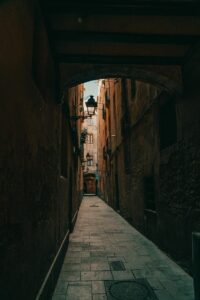
Begin your Gothic Quarter exploration at Plaça Nova, where Roman towers frame the entrance to the old city. This strategic starting point allows you to follow a logical progression through 2,000 years of history while avoiding the most crowded tourist routes during peak hours.
From Plaça Nova, proceed to the Cathedral via Carrer del Bisbe, admiring the neo-Gothic bridge connecting medieval buildings. Continue to Plaça del Rei through narrow Carrer de Santa Llúcia, then explore the Jewish Quarter via Carrer del Call before emerging at Plaça de Sant Jaume, the political heart of Catalonia. This route covers all major attractions while providing numerous opportunities to discover hidden courtyards and artisan workshops. 🚶♀️
Street Art and Architectural Details
The Gothic Quarter rewards careful observers with countless architectural details easily missed during rushed visits. Look for carved stone gargoyles, ornate door knockers, medieval guild symbols, and tiny shrines tucked into building corners. Many buildings display ceramic tiles indicating their historical significance or commemorating famous residents.
Contemporary street art coexists harmoniously with ancient architecture, creating unexpected juxtapositions that reflect Barcelona’s creative spirit. Local artists respect the neighborhood’s historical character while adding modern interpretations of medieval themes. Photography enthusiasts will find endless opportunities to capture the interplay between old and new. 📸
Museums and Cultural Treasures: Diving Deeper into History 🎨
Picasso Museum: Early Genius in Medieval Setting
Five interconnected medieval palaces house the world’s most comprehensive collection of Pablo Picasso’s early works, providing intimate insight into the artist’s formative years in Barcelona. The museum’s medieval architecture creates a striking backdrop for Picasso’s revolutionary art, while the Blue Period paintings reflect his emotional connection to Barcelona’s streets and people.
The museum’s permanent collection includes over 4,000 works spanning Picasso’s entire career, though the focus remains on his Barcelona period from 1895-1904. Special exhibitions frequently explore connections between Picasso’s art and Catalonian culture, while educational programs help visitors understand the artist’s evolution from academic realism to groundbreaking modernism. 🎭
City History Museum: Underground Time Travel
The Barcelona City History Museum offers the world’s largest exhibition of medieval urban archaeology, with underground galleries extending beneath multiple buildings throughout the Gothic Quarter. Visitors descend into perfectly preserved Roman streets where 2,000-year-old shops, thermal baths, and homes remain exactly where archaeologists discovered them.
The museum’s innovative approach combines archaeological evidence with multimedia presentations, allowing visitors to visualize how ancient Barcelona looked and functioned. Interactive displays explain daily life in Roman Barcino, while 3D reconstructions show how medieval buildings were constructed on Roman foundations. This underground journey provides essential context for understanding the Gothic Quarter’s layered history. 🏺
Culinary Adventures: Medieval Streets, Modern Flavors 🍽️
The Gothic Quarter’s culinary scene blends traditional Catalan cuisine with innovative interpretations, served in settings ranging from medieval cellars to trendy rooftop terraces. Family-run establishments passed down through generations coexist with cutting-edge restaurants helmed by internationally acclaimed chefs.
Traditional taverns hidden in narrow alleys serve time-honored dishes like escalivada (grilled vegetables), fideuà (seafood noodles), and pa amb tomàquet (bread with tomato) in atmospheric dining rooms with exposed stone walls and low vaulted ceilings. These authentic venues often lack English menus, but friendly staff happily explain dishes and recommend local specialties.
For special occasions, several Gothic Quarter restaurants have earned Michelin recognition while maintaining connections to Catalonian culinary traditions. These establishments source ingredients from local markets, particularly the nearby Boqueria, and create innovative interpretations of classic recipes. The juxtaposition of medieval architecture with modern gastronomy exemplifies Barcelona’s ability to honor tradition while embracing innovation. 🍷
Market Culture and Local Specialties
Small specialty shops throughout the Gothic Quarter showcase Catalonian culinary traditions, from artisanal cheese makers to traditional pastry shops selling ensaïmades and crema catalana. These family businesses maintain recipes and techniques passed down through generations, creating authentic flavors impossible to replicate in mass-produced foods.
Weekly neighborhood markets transform medieval plazas into vibrant commercial centers where locals shop for fresh produce, regional wines, and handcrafted goods. The Thursday antique market at Plaça Nova offers everything from medieval manuscripts to vintage Catalonian ceramics, while the weekend artisan market features locally made crafts and organic foods. 🧀
Shopping in Medieval Settings: Artisan Crafts and Unique Finds 🛍️
The Gothic Quarter’s shopping experience differs dramatically from typical commercial districts, with small boutiques and artisan workshops occupying ground floors of medieval buildings. Traditional crafts like leather working, jewelry making, and ceramic painting continue in shops where families have practiced these skills for generations.
Carrer dels Banys Nous hosts numerous vintage clothing stores, antique shops, and bohemian boutiques selling unique items impossible to find elsewhere. The street’s medieval architecture creates an atmospheric backdrop for discovering one-of-a-kind treasures, from vintage flamenco dresses to handcrafted silver jewelry inspired by Gothic motifs.
Book lovers gravitate toward the Gothic Quarter’s numerous independent bookshops, many specializing in Catalonian literature, Barcelona history, or art books. Several shops occupy medieval buildings with original stone walls and wooden ceiling beams, creating magical settings for browsing rare books and local publications. Some bookshops host author readings and cultural events that provide deeper insights into Catalonian intellectual life. 📚
Photography Guide: Capturing Medieval Magic ⚔️📷
Golden Hour and Blue Hour Magic
The Gothic Quarter transforms dramatically throughout the day, offering diverse photographic opportunities from dawn to midnight. Early morning light filtering through narrow streets creates dramatic shadows and highlights architectural details often lost in harsh midday sun. The golden hour, approximately one hour before sunset, bathes stone facades in warm tones while creating beautiful silhouettes against bright sky.
Blue hour photography reveals the Gothic Quarter’s romantic character as medieval buildings glow under artificial lighting. Street lamps, restaurant terraces, and illuminated churches create intimate scenes perfect for capturing the neighborhood’s evening atmosphere. Long exposure techniques can create ethereal effects with moving people while maintaining sharp architectural details. ✨
Architectural Photography Techniques
The Gothic Quarter’s narrow streets present unique challenges and opportunities for architectural photography. Wide-angle lenses capture the claustrophobic charm of medieval alleys, while telephoto lenses isolate specific architectural details like gargoyles, doorways, and window treatments. Vertical compositions often work better than horizontal formats due to the tall, narrow nature of Gothic buildings.
Look for interesting juxtapositions between different historical periods—Roman stones supporting Gothic arches, medieval buildings reflecting in modern shop windows, or ancient doorways framing contemporary street art. These contrasts tell the story of Barcelona’s continuous evolution while maintaining its historical character. 🏰
Seasonal Experiences: Gothic Quarter Through the Year 🌍
Spring Awakening and Festival Season
Spring transforms the Gothic Quarter as medieval plazas burst with blooming orange trees and outdoor café terraces welcome their first customers of the year. The moderate temperatures make walking tours comfortable, while increased daylight hours allow more time for exploration. Sant Jordi’s Day (April 23) fills the streets with book and flower stalls, creating a romantic atmosphere that embodies Catalonian cultural traditions.
Easter celebrations bring elaborate religious processions through Gothic Quarter streets, with centuries-old confraternities carrying ornate floats and religious statues between historic churches. These solemn ceremonies showcase Barcelona’s deep Catholic heritage while providing spectacular photo opportunities against medieval backdrops. 🌸
Summer Festivals and Evening Magic
Summer evenings in the Gothic Quarter extend well past midnight as locals embrace the Mediterranean lifestyle of late dinners and leisurely strolls. Outdoor concerts in medieval courtyards, rooftop bars overlooking Gothic spires, and street performances create a festival atmosphere throughout the neighborhood.
The Festa Major del Barri Gòtic in May transforms the entire quarter into a massive street party with traditional Catalonian dancing, human towers (castells), and live music performances. Local residents decorate their balconies and participate in neighborhood competitions that strengthen community bonds while welcoming visitors to join the celebration. 🎪
Autumn Colors and Cultural Calendar
Autumn brings perfect weather for Gothic Quarter exploration, with comfortable temperatures and beautiful lighting conditions for photography. The changing foliage in small plazas creates colorful contrasts against grey stone buildings, while fewer tourists allow for more intimate experiences with local culture.
The cultural calendar intensifies during autumn with gallery openings, theater performances, and literary events throughout the neighborhood. Many venues offer special programs that combine historical tours with contemporary cultural activities, creating unique opportunities to understand how Barcelona’s past influences its present creative expression. 🍂
Winter Solitude and Holiday Traditions
Winter reveals the Gothic Quarter’s most contemplative character as mist from the Mediterranean creates atmospheric conditions perfect for moody photography. Fewer crowds allow for peaceful exploration of narrow streets and hidden courtyards, while cozy tapas bars provide warm refuges from occasional rain showers.
Christmas traditions transform the neighborhood with elaborate nativity scenes in churches, traditional holiday markets in medieval plazas, and the Three Kings parade on January 6th. These celebrations maintain connections to centuries-old traditions while creating magical experiences for visitors seeking authentic cultural immersion during the winter season. ❄️
Safety and Practical Considerations 🛡️
Navigating Safely Through Medieval Streets
The Gothic Quarter’s maze-like street pattern can confuse even experienced travelers, making basic navigation skills essential for safe exploration. Always carry a detailed map or smartphone with offline navigation, as GPS signals can be weak in narrow medieval streets surrounded by thick stone walls.
Pickpocketing remains the primary safety concern, particularly in crowded areas near major attractions and during evening hours when tourists may be distracted by atmospheric lighting. Keep valuables secure in front pockets or money belts, avoid displaying expensive cameras or jewelry conspicuously, and remain aware of your surroundings in crowded plazas and narrow alleys.
While violent crime is rare, some isolated narrow streets can feel intimidating after dark. Stick to well-lit main pedestrian routes during evening hours, travel in groups when possible, and trust your instincts if any situation feels uncomfortable. Police presence is noticeable throughout the day, with both uniformed officers and plainclothes security personnel monitoring major tourist areas. 👮♀️
Accessibility and Physical Considerations
Medieval streets present significant challenges for visitors with mobility issues, as cobblestone surfaces, narrow passages, and frequent steps were never designed for modern accessibility standards. However, several major attractions offer alternative entrances and facilities for wheelchair users.
The Cathedral provides elevator access to the main floor and rooftop terrace, while the City History Museum includes accessible routes through its underground archaeological areas. Many restaurants and shops have made modifications to accommodate visitors with disabilities, though always confirm accessibility before visiting specific venues. 🦽
Connecting to Barcelona’s Transportation Networks 🚇
The Gothic Quarter’s central location makes it easily accessible from throughout Barcelona via multiple transportation options. Jaume I metro station (Line 4) provides the most convenient access to the quarter’s heart, while Liceu station (Line 3) offers quick connections to La Rambla and the Eixample district.
Bus routes 45, 47, and 120 stop at multiple locations around the Gothic Quarter’s perimeter, while the tourist Bus Turístic includes stops at Cathedral and Barri Gòtic that allow hop-on, hop-off access combined with other Barcelona attractions. For visitors staying in beach areas, the convenient metro connection via Lines 4 and 1 makes day trips simple and affordable.
Bicycle rental stations surround the Gothic Quarter, though cycling within the medieval streets is challenging due to narrow passages and heavy pedestrian traffic. Most visitors find walking the most practical and enjoyable method for exploring the neighborhood’s intricate street pattern and discovering hidden architectural details. 🚲
Frequently Asked Questions 🤔
How long does it take to explore the Gothic Quarter?
A thorough exploration of the Gothic Quarter takes 4-6 hours, including visits to the Cathedral, major plazas, and museums. A quick walking tour can be done in 2-3 hours, while history enthusiasts may prefer a full day to fully appreciate the neighborhood’s architectural and cultural treasures.
Is the Gothic Quarter safe for tourists?
The Gothic Quarter is generally safe during daytime hours with regular police patrols and heavy foot traffic. Be cautious of pickpockets in crowded areas and avoid poorly lit narrow streets late at night. Stay on main pedestrian routes after dark and travel in groups when possible.
What are the must-see attractions in the Gothic Quarter?
Essential attractions include Barcelona Cathedral, Plaça del Rei, Picasso Museum, Jewish Quarter (El Call), Plaça Sant Jaume, and the ancient Roman walls. Each offers unique insights into Barcelona’s medieval and ancient history, while hidden plazas provide peaceful respites from tourist crowds.
Can you visit the Gothic Quarter for free?
Most of the Gothic Quarter can be explored for free, including streets, plazas, and exterior architecture. Paid attractions include cathedral roof access (€3), Picasso Museum (€12), and City History Museum (€7). Many churches offer free entry with optional donations, while street exploration costs nothing.
What is the best time to visit the Gothic Quarter?
Early morning (8-10 AM) offers peaceful exploration with soft lighting perfect for photography and fewer crowds. Late afternoon (4-6 PM) provides vibrant atmosphere with open shops and cafés. Evenings showcase beautiful illuminated architecture, though some narrow streets may feel less comfortable after dark.
Are there guided tours available?
Numerous guided tour options include official city tours, private guides, themed walking tours focusing on specific aspects like Jewish history or Gothic architecture, and audio guides available in multiple languages. Many tours can be booked online or through local tourism offices.
How do you avoid getting lost in the Gothic Quarter?
Carry a detailed map or smartphone with offline navigation, as GPS can be unreliable in narrow streets. Learn key landmark locations like the Cathedral, Plaça del Rei, and Plaça Sant Jaume to maintain orientation. Major streets like Carrer de la Llibreteria and Via Laietana provide navigation references for finding your way back to familiar areas.
Beyond the Obvious: Hidden Stories and Local Legends 👻
Ghost Stories and Medieval Mysteries
Centuries of history have left the Gothic Quarter rich with supernatural folklore and mysterious legends passed down through generations of Barcelona residents. The narrow Carrer de la Palla reportedly harbors the ghost of a medieval bookseller who still rearranges volumes in antique shops during quiet evening hours. Local residents claim to have witnessed spectral figures in period costume wandering the streets near the old Royal Palace, particularly during full moon nights.
The ancient Jewish Quarter holds especially poignant stories of families who hid treasures before fleeing religious persecution, with periodic discoveries of hidden chambers and medieval artifacts during building renovations. These findings continue to reshape understanding of daily life in medieval Barcelona while adding mystery to routine urban exploration. 👻
Secret Symbols and Hidden Messages
Careful observers can discover numerous symbols carved into building facades, doorways, and corners throughout the Gothic Quarter. Medieval guild marks identify craftsmen’s workshops, religious symbols offer protection to residents, and cryptic messages hint at political allegiances during turbulent historical periods.
The network of underground passages connecting major buildings once allowed nobility and clergy to move secretly during sieges and political upheavals. While most passages remain sealed, occasional archaeological discoveries reveal new connections between familiar buildings, suggesting the Gothic Quarter harbors far more secrets than current maps indicate. 🔍
Conclusion: Where Past and Present Dance Together 💫
The Gothic Quarter represents far more than a collection of historical buildings—it embodies the living spirit of Barcelona where medieval stones support modern dreams and ancient streets echo with contemporary voices. Every cobblestone, carved doorway, and hidden plaza tells stories of human resilience, artistic achievement, and cultural continuity that span over two millennia.
Walking through these narrow medieval streets provides perspective on Barcelona’s remarkable ability to preserve its past while embracing its future. The neighborhood demonstrates how historical authenticity and modern functionality can coexist harmoniously, creating spaces where locals and visitors share experiences that connect them to centuries of human history.
Whether you’re seeking architectural inspiration, historical knowledge, culinary adventures, or simply the pleasure of discovering hidden corners in one of Europe’s most beautiful urban landscapes, the Gothic Quarter delivers experiences that linger long after your visit ends. In a world increasingly dominated by modern uniformity, this medieval masterpiece reminds us that authentic places with genuine character remain irreplaceable treasures worth preserving, exploring, and celebrating. ⚔️✨