
Kos Through Time: 2,500 Years of Medical Heritage ⚕️
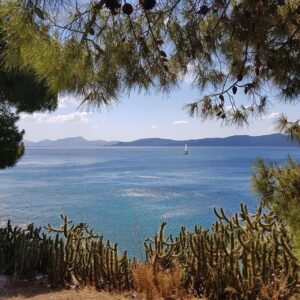 Kos’s position as the birthplace of Hippocrates and ancient medicine created one of history’s most significant cultural legacies, where the father of modern medicine established principles and practices that continue influencing healthcare worldwide over 2,400 years after his revolutionary approach transformed healing from superstition to scientific observation. This remarkable island served as the ancient world’s premier medical center while strategic Dodecanese location enabled cultural exchange that enriched both medical knowledge and broader intellectual development throughout the Mediterranean.
The ancient Asklepion sanctuary became antiquity’s most famous healing center, where patients from across the Mediterranean sought treatment through innovative combinations of medical knowledge, psychological therapy, and spiritual healing that demonstrated sophisticated understanding of holistic health principles. Knights of Rhodes fortified the island during medieval times, creating magnificent castle architecture while Ottoman rule introduced cultural diversity that enriched local traditions without diminishing the island’s fundamental character as a center of learning and healing. 🏺
Modern Kos successfully balances archaeological preservation with contemporary tourism development, where ancient sites remain protected and accessible while beautiful beaches, traditional villages, and authentic Greek culture attract international visitors seeking both historical enlightenment and Mediterranean relaxation. The island’s commitment to medical heritage continues through medical tourism and wellness initiatives that honor Hippocratic traditions while providing modern healing and relaxation opportunities within authentic Greek island settings. 🏰
Table of Contents
Asklepion: Ancient Healing Sanctuary 🏛️
Hippocrates Legacy: Medical Revolution
The Asklepion of Kos represents one of antiquity’s most important medical sites, where Hippocrates established revolutionary healing principles that transformed medicine from religious ritual to scientific observation and rational treatment methods. This extraordinary sanctuary demonstrates how ancient Greek civilization advanced medical knowledge through systematic observation, ethical practices, and holistic understanding of human health that created foundations for modern medical science and professional ethics.
Hippocrates’ revolutionary approach included the famous Hippocratic Oath that established ethical standards for medical practice, systematic disease observation that enabled accurate diagnosis, and treatment methods that combined physical therapy with psychological support and environmental factors. The medical school attracted students from throughout the ancient world while the sanctuary’s design incorporated natural healing elements including fresh air, clean water, and peaceful environments that enhanced recovery and demonstrated sophisticated understanding of health and wellness. ⚡
Sacred Architecture: Healing Environment
The Asklepion’s terraced architecture created comprehensive healing environments where patients experienced graduated treatments through ascending levels that symbolized spiritual and physical recovery while practical design elements including hospitals, treatment rooms, and therapeutic spaces provided optimal conditions for medical care and patient recovery. This innovative architectural approach influenced hospital design principles that continue in contemporary healthcare facility planning.
Archaeological remains reveal sophisticated medical facilities including operating theaters, patient quarters, and pharmaceutical preparation areas while temple structures provided spiritual support that complemented physical treatment in holistic healing approaches. The sanctuary’s strategic hillside position provided optimal climate conditions, panoramic views, and natural elements that enhanced healing environments while demonstrating ancient understanding of environmental factors in medical treatment and recovery processes. 🛡️
Medical School: Educational Excellence
The Kos medical school established educational standards that influenced medical training throughout antiquity, where systematic instruction, practical experience, and ethical guidelines created comprehensive medical education that produced skilled physicians who practiced throughout the Mediterranean world. This educational approach emphasized observation, rational analysis, and ethical responsibility that established medicine as a respected profession with scientific foundations and moral obligations.
Medical education included anatomical study, disease classification, pharmaceutical preparation, and surgical techniques while students learned through direct observation and hands-on experience under expert supervision. The school’s reputation attracted international students while graduates established medical practices throughout the ancient world, spreading Hippocratic principles and creating networks of skilled physicians who maintained high professional standards and ethical practices. 🏗️
Modern Archaeological Site: Educational Heritage
Contemporary Asklepion preservation provides exceptional educational opportunities where restored structures, informational displays, and guided tours reveal ancient medical practices while demonstrating how archaeological research continues advancing understanding of ancient science and healthcare development. This important site connects contemporary visitors with medical heritage while supporting ongoing research that advances knowledge of ancient medicine and cultural history.
Educational programming includes specialized tours for medical professionals, school groups, and cultural tourists while interpretive materials provide context for understanding ancient medical achievements and their continuing influence on modern healthcare. Archaeological research continues revealing new insights while conservation efforts preserve this important site for continuing education and scientific study that maintains connections between ancient wisdom and contemporary medical practice. 🐴
Asklepion Visit Essentials
- Location: 4km from Kos Town, scenic hillside setting
- Entrance Fee: €8 adults, €4 reduced, free under 25 (EU)
- Hours: 8am-8pm (summer), 8am-3pm (winter)
- Duration: 1-2 hours including guided tour
- Best Times: Early morning or late afternoon for optimal lighting
- Highlights: Hippocrates healing sanctuary, ancient medical school, panoramic views
Neratzia Castle: Medieval Fortress Majesty 🏰
Knights of Rhodes: Crusader Architecture
Neratzia Castle represents one of the finest examples of medieval military architecture in the Eastern Mediterranean, where the Knights of Rhodes created massive fortifications that protected Kos harbor while demonstrating sophisticated defensive engineering and artistic achievement that combined practical military requirements with aesthetic excellence. This magnificent fortress showcases how medieval military orders adapted ancient strategic positions while creating architectural monuments that continue inspiring visitors with their massive scale and sophisticated design.
Castle construction utilized advanced medieval engineering including massive stone walls, strategic tower placement, and defensive features that enabled small garrisons to defend against large attacking forces while architectural details including coats of arms, decorative elements, and religious symbols revealed the cultural identity and artistic traditions of the Knights of Rhodes. The fortress controlled maritime approaches while providing secure harbor facilities that supported both military operations and commercial activities. 🏺
Harbor Protection: Strategic Position
The castle’s strategic position on a small island connected to Kos Town by a stone causeway created comprehensive harbor defense while enabling control of maritime traffic and protection of commercial vessels that supported island economic life. This defensive system demonstrated sophisticated military planning while the harbor’s natural advantages provided additional protection that made Kos one of the most secure ports in the Dodecanese archipelago.
Defensive features include massive artillery positions, protected harbors for military vessels, and communication systems that enabled coordination with other Knights’ fortifications throughout the Eastern Mediterranean. The castle’s design incorporated lessons learned from siege warfare while adapting to evolving military technology including early firearms that required new defensive approaches and architectural innovations that influenced fortress design throughout the region. 🛠️
Architectural Marvel: Medieval Mastery
Neratzia Castle showcases medieval architectural excellence where massive stone construction, sophisticated defensive features, and artistic details create monuments that demonstrate both military effectiveness and cultural achievement. The fortress design includes multiple defensive rings, strategic gates, and internal facilities that supported both military garrison and civilian refuge during times of conflict while architectural elements reveal sophisticated understanding of both defensive requirements and aesthetic principles.
Architectural features include beautiful stone carving, heraldic displays, and religious elements that reflected Knights’ cultural identity while construction techniques demonstrated advanced engineering knowledge including earthquake resistance and weather protection that enabled structures to survive centuries of natural challenges and military conflicts. Understanding architectural significance enhances appreciation for medieval achievement while supporting preservation efforts that maintain this important heritage site. 🌺
Museum and Exhibitions: Cultural Heritage
The castle houses important exhibitions that reveal medieval history, Knights’ traditions, and island heritage while archaeological discoveries provide insights into daily life during different historical periods. Museum collections include weapons, artifacts, and artistic objects that demonstrate cultural exchange and international connections while educational programs provide context for understanding medieval Mediterranean civilization and military history.
Cultural programming includes guided tours, historical reenactments, and educational events that bring medieval history to life while research activities continue advancing understanding of Knights’ organization and cultural impact. Museum experiences enhance castle visits while supporting cultural education and heritage preservation that maintains connections between medieval achievements and contemporary appreciation for historical significance and architectural excellence. ⛪
Paradise Beach: Golden Sand Perfection 🏖️
Beach Paradise: Crystal Waters
Paradise Beach lives up to its name with spectacular golden sand, crystal-clear turquoise waters, and comprehensive facilities that create perfect Mediterranean beach experiences while maintaining natural beauty and environmental quality that attracts international visitors seeking pristine coastal environments. This exceptional beach demonstrates how careful development can enhance rather than compromise natural beauty while providing amenities and activities that satisfy diverse visitor preferences and recreational needs.
Beach characteristics include fine golden sand perfect for sunbathing and beach activities, excellent water clarity ideal for swimming and snorkeling, and gentle wave conditions suitable for families while natural beauty provides inspiration and relaxation that transcends simple recreation. The beach’s southern exposure creates optimal sun conditions while natural wind patterns provide comfortable environments and excellent conditions for water sports and beach activities throughout the tourist season. ⚡
Water Sports Excellence: Active Adventures
Paradise Beach provides optimal conditions for diverse water activities including windsurfing, jet skiing, parasailing, and paddleboarding while professional instruction and equipment rental ensure safe experiences for all skill levels. These water sports opportunities demonstrate how natural conditions support both relaxation and active recreation while comprehensive facilities enable visitors to pursue different activities without requiring transportation to multiple locations.
Water sports facilities include certified instruction programs, modern equipment rental, and safety services while understanding optimal conditions and seasonal variations enables strategic planning for different activities and skill development. Beach coordination ensures compatibility between different recreational uses while environmental considerations maintain water quality and marine ecosystem health that supports sustainable recreation and continuing natural beauty. 🛡️
Beach Amenities: Comprehensive Facilities
Paradise Beach offers comprehensive facilities including organized sections with sunbeds and umbrellas, beach bars and restaurants, changing facilities, and recreational activities while maintaining free areas that enable budget-conscious enjoyment of spectacular natural beauty without commercial pressure. This balanced approach ensures accessibility for diverse visitor needs while maintaining natural character and environmental quality.
Facility management includes environmental protection measures, waste management systems, and sustainable practices that preserve beach quality while providing amenities and services. Understanding facility availability and reservation systems ensures optimal beach experiences while supporting businesses that maintain professional standards and environmental responsibility that contribute to sustainable tourism development and positive visitor experiences. 🏗️
Natural Beauty: Scenic Perfection
Paradise Beach showcases Mediterranean coastal beauty where dramatic landscapes, pristine waters, and natural features create photographic opportunities and aesthetic inspiration that enhance beach experiences beyond simple recreation. The beach’s natural setting provides peaceful environments while scenic beauty offers restoration and connection with natural environments that demonstrate Kos’s diverse appeal and comprehensive destination character.
Natural features include interesting rock formations, seasonal wildlife observation opportunities, and changing light conditions that provide photography inspiration while peaceful environments enable relaxation and nature appreciation. Understanding natural cycles and seasonal variations enhances beach experiences while respecting environmental protection ensures continuing natural beauty and ecological health that supports both tourism and environmental conservation goals. 🐴
Kos Town: Historic Capital and Cultural Center 🏛️
Ancient Ruins: Archaeological Treasures
Kos Town features remarkable archaeological sites including the ancient agora, Roman odeon, and extensive ruins that reveal the island’s importance throughout antiquity while modern urban development carefully preserves and integrates ancient heritage with contemporary needs. These archaeological treasures provide educational opportunities and cultural insights while demonstrating successful heritage preservation within active urban environments that serve both residents and visitors.
Archaeological sites include well-preserved ancient structures, ongoing excavation areas, and interpretive facilities that provide context for understanding ancient urban life and cultural development. The integration of ancient ruins with modern infrastructure demonstrates innovative approaches to heritage preservation while educational programming includes guided tours, cultural events, and research opportunities that advance understanding of ancient Mediterranean civilization. 🏺
Harbor District: Maritime Heritage
Kos Town harbor combines practical maritime functions with scenic beauty where fishing boats, ferries, and pleasure craft create dynamic waterfront scenes while historic buildings and modern amenities provide comprehensive urban experiences. The harbor area demonstrates continuing maritime traditions while supporting island connectivity and economic activities that connect Kos with other destinations and maintain community prosperity.
Harbor facilities include ferry terminals that provide connections throughout the Dodecanese and to mainland Greece, fishing operations that supply local restaurants and markets, and marina services that support recreational sailing and tourism activities. Understanding harbor operations and maritime heritage enhances appreciation for island life while waterfront dining and shopping areas provide authentic urban experiences within historic settings. 🛠️
Cultural Attractions: Museums and Heritage
Kos Town houses important cultural institutions including the Archaeological Museum, Castle Museum, and cultural venues that preserve and promote island heritage while providing educational opportunities and cultural programming that enhance visitor understanding of local history and traditions. These institutions demonstrate how communities maintain cultural identity while adapting to contemporary tourism and educational needs.
Cultural programming includes permanent exhibitions of local archaeology and history, temporary displays featuring contemporary artists and cultural themes, and educational programs that provide insights into island culture and community traditions. Understanding cultural offerings and participating in appropriate activities enhances visitor experiences while supporting institutions that preserve and promote authentic cultural heritage within contemporary contexts. 🌺
Modern Amenities: Urban Convenience
Kos Town provides comprehensive modern amenities including shopping areas, dining establishments, accommodation options, and transportation services while maintaining authentic character and cultural identity that attracts both tourists and serves local community needs. This balanced urban development demonstrates how Greek island towns can modernize while preserving traditional character and supporting both residents and visitors.
Urban facilities include pedestrian-friendly areas, modern healthcare services, educational institutions, and commercial districts while heritage protection ensures visual harmony and cultural continuity. Understanding urban character and supporting authentic businesses enhances visitor experiences while contributing to community sustainability that maintains traditional practices and cultural identity within contemporary economic development frameworks. ⛪
Traditional Villages: Authentic Island Life 🏘️
Zia Village: Mountain Traditions
Zia Village showcases authentic mountain life where traditional architecture, family farms, and cultural customs provide insights into genuine Greek island culture away from coastal tourism development. This charming mountain community maintains agricultural traditions while welcoming respectful visitors who appreciate authentic village life and traditional practices that demonstrate how rural communities preserve cultural identity within contemporary economic contexts.
Village characteristics include traditional stone architecture, family workshops producing local crafts and foods, and community spaces that support social traditions while panoramic views over the island provide spectacular settings for cultural exploration and photography. Understanding village customs and supporting local businesses enhances cultural experiences while contributing to community economic sustainability that maintains traditional practices and authentic character. 💕
Kardamena: Fishing Heritage
Kardamena demonstrates traditional fishing village life where maritime traditions, family boats, and coastal culture provide authentic experiences with Greek island economic activities and community customs. This working fishing community maintains traditional practices while adapting to tourism opportunities that support local families without compromising authentic character or maritime heritage that defines coastal community identity.
Fishing traditions include family boat operations, seasonal fishing patterns, and traditional preparation methods while waterfront tavernas often feature direct relationships with fishing families and daily catch deliveries that ensure authenticity and freshness. Understanding fishing culture and supporting traditional practices enhances cultural appreciation while ensuring maritime heritage remains economically viable and culturally preserved within contemporary tourism development. 🌊
Pyli: Historical Heritage
Pyli preserves important historical heritage including medieval ruins, traditional architecture, and cultural sites that provide insights into island history and community development across different historical periods. This historic village demonstrates cultural continuity while archaeological sites and traditional buildings reveal how communities adapted to changing conditions while maintaining cultural identity and traditional practices.
Historical features include medieval castle ruins, traditional churches, and architectural elements that demonstrate different cultural influences while community traditions maintain authentic character and cultural practices. Village exploration requires cultural sensitivity while providing opportunities for authentic cultural exchange and understanding of traditional island life that continues within contemporary contexts. 🏘️
Antimacheia: Agricultural Traditions
Antimacheia showcases traditional agricultural life where farming families maintain olive groves, vineyards, and traditional crops while preserving farming methods and rural customs that provide authentic insights into island agricultural heritage and sustainable land use practices. This working agricultural community demonstrates how traditional farming supports both local needs and cultural preservation through continuing economic activity.
Agricultural traditions include traditional farming methods, seasonal crop cycles, and family knowledge passed down through generations while village life includes traditional festivals and community celebrations that maintain cultural identity and social cohesion. Understanding agricultural heritage and supporting local producers enhances cultural appreciation while ensuring traditional farming remains economically viable and culturally significant. 🤝
Authentic Kos Cuisine: Dodecanese Flavors 🍽️
Traditional Specialties: Island Heritage
Kos cuisine reflects Dodecanese character where Italian influences blend with traditional Greek cooking to create distinctive dishes that showcase local ingredients including exceptional seafood, traditional cheeses, aromatic herbs, and unique regional specialties that demonstrate how cultural exchange produces authentic local cuisine. These culinary traditions represent centuries of cultural interaction while maintaining distinct island identity through family recipes and traditional preparation methods.
Signature dishes include traditional pasta preparations showing Italian influence, unique cheese varieties produced from island livestock, fresh seafood dishes featuring daily catches, and traditional sweets that incorporate local honey and nuts while family tavernas maintain authentic cooking methods and hospitality customs that reveal genuine island food culture and community traditions. Understanding culinary heritage enhances dining experiences while supporting traditional cooking practices. 🦑
Seafood Excellence: Maritime Bounty
Kos fishing communities provide exceptional fresh seafood where traditional fishing methods, family knowledge, and sustainable practices ensure high-quality daily catches while coastal tavernas maintain direct relationships with fishing families that guarantee authenticity and freshness in seafood preparations that showcase natural flavors through traditional cooking techniques and family recipes.
Seafood traditions include traditional fishing boat operations, seasonal fishing patterns that respect marine ecosystems, and preparation methods that emphasize ingredient quality while waterfront dining areas often feature spectacular harbor views and authentic maritime atmosphere. Understanding fishing heritage and supporting sustainable practices enhances culinary appreciation while ensuring traditional maritime activities remain economically viable and culturally preserved. 🍷
Local Products: Agricultural Excellence
Kos produces exceptional local products including traditional cheeses from island livestock, aromatic herbs and spices, olive oil from ancient groves, and wine from indigenous grape varieties while traditional production methods maintain quality standards and authentic flavors that represent island terroir and agricultural heritage. These products provide opportunities for tastings, direct purchases, and cultural learning about traditional agriculture.
Local producers offer farm visits, tastings, and educational experiences that reveal traditional production methods while supporting families who maintain agricultural traditions within contemporary economic contexts. Understanding agricultural heritage and supporting local producers enhances cultural experiences while ensuring traditional farming practices remain economically sustainable and culturally preserved for future generations. 🌅
Wine and Spirits: Traditional Production
Kos maintains traditional wine and spirit production where indigenous grape varieties, traditional distillation methods, and family knowledge create distinctive alcoholic beverages that reflect island terroir and cultural heritage. Local wineries and distilleries provide tastings and educational experiences while maintaining traditional production methods that preserve authentic flavors and cultural significance of traditional beverage production.
Traditional beverage production includes wine from local grape varieties, traditional spirits including ouzo and local specialties, and family recipes that maintain authentic flavors while modern quality standards ensure safety and consistency. Understanding beverage traditions and supporting local producers enhances cultural appreciation while ensuring traditional production methods remain economically viable and culturally preserved within contemporary tourism contexts. 🥙
Getting to Kos: Transportation Guide ✈️
Airport Connections: International Access
Kos International Airport provides excellent connectivity with direct flights from major European cities and Athens while modern facilities and efficient operations support both charter and scheduled services that accommodate diverse travel preferences and seasonal demand patterns. The airport’s strategic location enables quick access to accommodation areas and major attractions while comprehensive ground transportation connects all island destinations.
International connections include seasonal flights from UK, Germany, Scandinavia, and other European destinations while year-round domestic flights via Athens provide reliable connectivity with multiple daily departures during peak season. Understanding flight schedules and booking advance ensures optimal travel timing while airport services include modern facilities, car rental agencies, and transportation connections that support efficient arrival and departure experiences. 🛣️
Ferry Services: Dodecanese Connections
Ferry services connect Kos with Piraeus, other Dodecanese islands, and Turkish ports while providing scenic transportation experiences and opportunities for island hopping adventures within the Dodecanese archipelago. Multiple ferry companies operate regular services while vehicle ferries accommodate cars and motorcycles that enable comprehensive island exploration and flexible travel planning for visitors seeking independent mobility.
Ferry connections include high-speed services that reduce travel times and conventional ferries that provide relaxed travel experiences with outdoor decks and dining facilities while international connections with Turkey enable regional exploration. Understanding ferry schedules and booking procedures ensures smooth transportation while advance reservations become essential during peak season when demand significantly exceeds capacity for popular routes. 🚌
Island Transportation: Local Mobility
Kos provides comprehensive local transportation including efficient bus services connecting major towns and beaches, extensive car and motorcycle rental options, and taxi services while the island’s excellent road network enables comfortable travel to all destinations. Understanding transportation options and planning appropriate mobility ensures comprehensive island exploration while respecting environmental considerations and supporting sustainable transportation.
Public transportation includes regular bus services that connect Kos Town with major beaches and villages while tourist buses provide seasonal services to popular destinations. Rental vehicles enable independent exploration while bicycle rental offers eco-friendly alternatives for local area discovery and short-distance transportation between nearby attractions and accommodation areas. Understanding local transportation enhances mobility while supporting sustainable tourism practices. 🚕
Seasonal Kos: Year-Round Dodecanese Beauty 🌞
Spring Awakening (April-May)
Spring transforms Kos into a flowering paradise where comfortable temperatures (20-26°C), wildflower blooms across archaeological sites, and optimal conditions for cultural exploration create ideal circumstances for comprehensive island discovery. Ancient ruins become particularly beautiful when surrounded by spring flowers while reduced tourist numbers enable intimate experiences with historical sites and authentic cultural interactions with local communities.
Spring conditions provide excellent photography opportunities while comfortable weather enables extensive exploration of the Asklepion, medieval castle, and traditional villages without extreme heat or overwhelming crowds. Accommodation costs remain moderate while restaurant and attraction availability increases as seasonal businesses begin operations. Traditional festivals and religious celebrations provide authentic cultural experiences that welcome respectful visitor participation in community traditions. 🌸
Summer Peak (June-August)
Summer brings optimal beach conditions and comprehensive tourism services where warm weather (28-35°C), crystal-clear waters, and maximum facility availability create ideal vacation conditions while requiring advance planning for accommodation and popular attractions during peak tourist season when Kos attracts international visitors seeking both historical enlightenment and Mediterranean beach experiences.
All tourism facilities operate comprehensive schedules while beach amenities, water sports, and cultural attractions provide maximum options for diverse visitor interests. Ferry and flight services operate frequent schedules while accommodation and restaurant reservations become essential for optimal experiences during peak demand periods. Cultural events and traditional festivals provide entertainment while evening activities extend late into warm Mediterranean nights. ☀️
Autumn Excellence (September-October)
Autumn provides arguably the best Kos experiences where warm seas, comfortable air temperatures, and reduced crowds create optimal conditions for both beach activities and archaeological exploration while maintaining excellent weather for cultural site visits and village exploration. This period offers exceptional value with reduced accommodation costs while maintaining optimal conditions for comprehensive island discovery.
Sea temperatures remain ideal for swimming while comfortable conditions enable extensive exploration of ancient sites, traditional villages, and cultural attractions during pleasant daylight hours. Golden autumn light enhances archaeological photography while harvest activities and traditional celebrations provide cultural insights and authentic community experiences. Tourist facilities continue operations with more relaxed atmospheres and personalized attention. 🍂
Winter Authenticity (November-March)
Winter reveals Kos’s authentic character where local life predominates and traditional communities maintain seasonal rhythms while reduced tourist services and variable weather create opportunities for cultural authenticity, peaceful archaeological exploration, and intimate experiences with island heritage without commercial tourism pressures that characterize busy seasons.
Limited tourism services operate while those remaining provide authentic local experiences and significant cost advantages for visitors seeking cultural immersion, historical exploration, and peaceful appreciation of ancient sites without crowds. Weather variability requires flexible planning while clear days provide exceptional visibility for archaeological photography and authentic cultural exploration during peaceful winter months. ❄️
Where to Stay: From Historic Hotels to Beach Resorts 🏨
Historic Hotels: Cultural Character
Historic hotels in Kos Town provide authentic accommodation experiences where traditional architecture, cultural proximity, and sophisticated amenities create memorable stays that reflect island heritage while maintaining convenient access to archaeological sites, cultural attractions, and urban amenities. These properties typically feature restored buildings with modern comfort while preserving architectural character and cultural significance.
Historic properties often occupy buildings with architectural heritage while contemporary renovations provide luxury amenities including spas, gourmet dining, and cultural programming that enhance understanding of local traditions. Many establishments feature traditional design elements, local artwork, and cultural activities while maintaining proximity to ancient ruins, museums, and cultural venues that enable comprehensive heritage exploration. 💕
Beach Resorts: Comprehensive Luxury
Beach resorts throughout Kos provide exceptional accommodation experiences where direct beach access, comprehensive amenities, and professional service create complete vacation experiences that showcase island beauty while maintaining environmental sensitivity and cultural awareness. These properties typically feature 100-300 rooms with spectacular sea views, multiple dining options, spa facilities, and organized activities.
Resort facilities include private beaches, water sports centers, multiple restaurants, spa services, and cultural programming while many establishments offer packages combining accommodation with archaeological tours, cultural experiences, and exclusive activities that provide comprehensive Kos discoveries. Understanding resort character and booking appropriate properties ensures optimal experiences that balance luxury comfort with cultural authenticity. 🌊
Traditional Guesthouses: Authentic Hospitality
Family-run guesthouses throughout Kos provide authentic experiences where local families share traditional hospitality, cultural knowledge, and genuine island life while offering comfortable accommodation that supports community economic sustainability and cultural preservation. These intimate properties often feature traditional architecture, homemade breakfasts using local ingredients, and personalized attention that reveals authentic Greek island culture.
Village guesthouses enable cultural immersion and traditional community experiences while coastal properties provide beach access and peaceful environments that appeal to travelers seeking authenticity over luxury amenities. Understanding guesthouse character and booking through local connections ensures genuine experiences while contributing directly to family economic sustainability and cultural preservation efforts. 🏘️
| Type | Price Range | Best For | Character |
|---|---|---|---|
| Historic Hotel | €100-280/night | Culture, Heritage | Authentic, Sophisticated |
| Beach Resort | €180-450/night | Families, Luxury | Comprehensive, Modern |
| Traditional Guesthouse | €50-120/night | Authenticity, Budget | Local, Personal |
| Boutique Hotel | €90-220/night | Style, Comfort | Elegant, Intimate |
Insider Tips: Mastering Kos Like a Local 💡
Archaeological Exploration: Historical Discovery
Maximizing Kos archaeological experiences requires understanding site access, optimal timing, and cultural context where early morning visits (8-10am) to the Asklepion and other ancient sites avoid crowds while providing excellent lighting for photography and peaceful conditions for contemplation and learning. Strategic planning enables comprehensive historical exploration while respecting site preservation and educational opportunities.
Archaeological site visits benefit from advance preparation including reading about historical context, understanding medical heritage, and appreciating ancient achievements while guided tours provide expert interpretation and cultural insights that enhance understanding of ancient civilization and medical history. Professional guides offer specialized knowledge while respecting site preservation ensures continuing accessibility for education and research. 📸
Medical Heritage Tourism: Educational Value
Kos provides unique opportunities for medical heritage tourism where healthcare professionals, students, and interested visitors can explore the birthplace of modern medicine through specialized tours, educational programs, and cultural experiences that reveal how ancient medical knowledge influences contemporary practice. Understanding medical heritage enhances appreciation for scientific development and cultural achievement.
Medical tourism includes specialized tours for healthcare professionals, educational programs that connect ancient and modern medicine, and cultural experiences that demonstrate continuing relevance of Hippocratic principles while supporting research and education initiatives that advance understanding of medical history and cultural heritage. These specialized programs provide unique value for professional development and cultural learning. 🌅
Cultural Sensitivity: Heritage Respect
Visiting Kos respectfully requires understanding that archaeological sites and traditional communities remain integral to local identity where families maintain cultural practices and community traditions within heritage preservation frameworks. Respecting ancient sites, supporting authentic businesses, and appreciating traditional customs demonstrates cultural sensitivity while contributing to heritage preservation and community sustainability.
Cultural respect includes appropriate behavior at archaeological sites, understanding religious customs and traditional practices, and supporting local businesses that maintain authentic character while learning basic Greek phrases and appreciating hospitality customs enhances cultural interactions and demonstrates respect for community traditions and cultural heritage that define authentic island experiences. 🤝
Beach and Activity Planning: Optimal Timing
Strategic beach and activity planning enables optimal Kos experiences where understanding seasonal conditions, crowd patterns, and facility availability helps maximize enjoyment while minimizing typical tourist challenges including overcrowding, excessive heat, and premium pricing during peak periods. Flexible planning accommodates weather variations while ensuring comprehensive island exploration.
Activity coordination includes beach visits during optimal conditions, archaeological exploration during comfortable temperatures, and cultural activities that complement weather and seasonal availability while understanding transportation options and booking requirements ensures smooth experiences. Supporting sustainable tourism practices demonstrates environmental awareness while enhancing rather than compromising destination quality. 💰
Daily Budget Guide
- Budget Explorer (€55-85): Guesthouse accommodation, traditional tavernas, public transport, self-guided tours
- Mid-Range Traveler (€95-150): Boutique hotel, restaurant dining, car rental, guided archaeological tours
- Luxury Experience (€200-350): Historic hotel, fine dining, private tours, spa services
- Premium Heritage (€300-500): Luxury resorts, exclusive experiences, private guides, comprehensive cultural programs
Beyond the Highlights: Hidden Kos Treasures 🗺️
Secret Beaches: Undiscovered Coastline
Kos’s extensive coastline conceals numerous pristine beaches and secluded coves accessible by hiking trails, boat excursions, or local knowledge that provide alternatives to popular destinations while showcasing diverse coastal beauty and peaceful environments perfect for relaxation and nature appreciation. These hidden gems often require additional effort but reward adventurous visitors with authentic experiences.
Hidden beaches include Camel Beach with unique rock formations, Cavo Paradiso with dramatic cliff settings, and numerous small coves accessible via coastal hiking trails that provide privacy and natural beauty. Boat excursions reveal coastal areas inaccessible by land while understanding access requirements and environmental protection ensures successful visits to pristine locations that demonstrate Kos coastal diversity. 🏊♀️
Traditional Crafts: Artisan Heritage
Kos maintains traditional craft traditions where local artisans practice pottery making, weaving, jewelry design, and other traditional skills that provide cultural insights and authentic shopping opportunities while supporting families who preserve traditional knowledge and artistic heritage. These craft traditions demonstrate cultural continuity while providing economic opportunities for traditional skill preservation.
Artisan workshops offer demonstrations, classes, and direct purchases while understanding traditional techniques and cultural significance enhances appreciation for handmade products and artistic heritage. Supporting traditional craftspeople ensures skill preservation while providing authentic souvenirs that represent genuine cultural heritage rather than mass-produced tourist merchandise. 🏰
Natural Areas: Ecological Diversity
Kos features diverse natural environments including wetlands, forest areas, and protected habitats that support wildlife observation, nature photography, and environmental education while demonstrating successful conservation efforts and ecological diversity. These natural areas provide peaceful alternatives to beach and archaeological activities while showcasing environmental heritage and conservation success.
Natural exploration includes birdwatching in protected wetlands, hiking through forest areas, and observing seasonal wildlife migrations while understanding ecological significance and supporting conservation efforts enhances appreciation for environmental heritage. Responsible nature tourism demonstrates environmental awareness while contributing to conservation funding and community support for environmental protection initiatives. 🛶
Kos Magic Awaits ✨
Kos represents the extraordinary fusion of medical heritage and Mediterranean paradise, where every element—from the ancient Asklepion where Hippocrates revolutionized medicine to the medieval castle that protected centuries of cultural achievement—demonstrates how knowledge and beauty combine to create destinations of profound significance and lasting inspiration. This remarkable island achieves what few places manage: seamlessly blending historical importance with contemporary comfort while maintaining authentic character that transforms every visitor into a passionate advocate for cultural heritage and educational tourism.
The island’s greatest treasure lies not merely in ancient ruins but in the extraordinary way medical legacy and natural beauty create comprehensive experiences where exploring the birthplace of modern medicine, discovering medieval fortress architecture, relaxing on pristine beaches, and sharing authentic Greek hospitality become natural parts of cultural and intellectual enrichment that reveals how ancient wisdom continues influencing contemporary life and understanding.
As you plan your Kos adventure, remember that this historic island rewards visitors who appreciate both intellectual heritage and natural beauty while supporting archaeological preservation and traditional communities ensures that future generations can experience the same medical legacy and cultural authenticity that have attracted scholars and travelers for over two millennia. Come prepared to be educated by history that shaped medical science, amazed by beauty that heals the spirit, and welcomed by Greek hospitality that makes every visitor part of the eternal Kos family. Yamas! Welcome to Kos—where ancient healing meets Mediterranean reality. ⚕️🏰

