
The Raw Numbers Behind the Magic
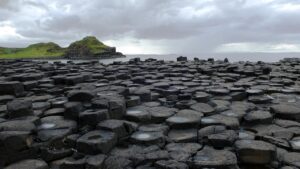 Let me paint you a picture with facts that still astound me. Stretching across three miles of rugged coastline, approximately 40,000 basalt columns create an otherworldly landscape that attracts over one million visitors annually. These columns, primarily hexagonal though you’ll spot pentagon and octagon formations too, reach heights of 12 meters in places, with some extending 25 meters into the sea.
The mathematics of nature reveals itself here in ways that would make architects weep. Each column measures between 38 and 51 centimeters across, maintaining remarkable consistency despite forming through entirely natural processes. The site spans roughly 70 hectares of protected coastline, though the visual impact extends far beyond these boundaries.
Understanding the Ancient Fire Below
Forget the legends for a moment—though we’ll return to those captivating tales. The scientific truth proves equally mesmerizing. During the Paleogene Period, massive volcanic eruptions transformed this coastline into a cauldron of molten rock. As basaltic lava encountered the cold Atlantic waters, rapid cooling created a phenomenon known as columnar jointing.
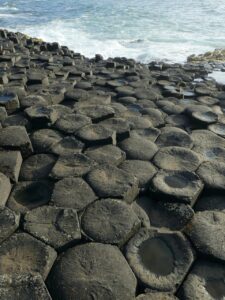 Picture honey crystallizing in a jar, forming perfect geometric patterns as it solidifies. Now imagine this process on an epic scale, with temperatures exceeding 1,000 degrees Celsius plummeting in seconds. The contraction created stress fractures that propagated downward, forming these distinctive pillars. Three distinct lava flows created the layered structure visible today, each cooling episode adding another chapter to this geological story.
What makes this formation globally unique isn’t just the columns themselves—similar structures exist in Scotland’s Fingal’s Cave and California’s Devils Postpile. The distinction lies in the accessibility, preservation, and sheer concentration of perfectly formed pillars accessible at sea level.
Myths That Shaped a Nation’s Identity
Local folklore offers an alternative explanation that’s woven into Irish cultural fabric. The giant Finn McCool (Fionn mac Cumhaill in Irish), supposedly built this causeway to reach Scotland and challenge the giant Benandonner. Different versions paint Finn as either victorious through strength or cunning—my favorite involves his wife disguising him as a baby, terrifying Benandonner with thoughts of how massive the father must be.
These stories aren’t mere entertainment. They represent centuries of human attempts to explain the inexplicable, to make sense of a landscape that seems deliberately crafted. Walking among these stones, you understand why ancient peoples required supernatural explanations. The regularity defies natural expectation.
Navigating Your Journey to Wonder
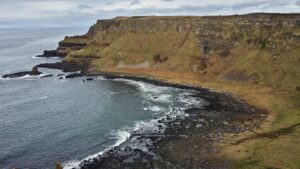 Reaching Giant’s Causeway from Belfast takes approximately 90 minutes via the stunning Causeway Coastal Route. This isn’t just transportation—it’s prelude. The A2 hugs dramatic cliffs, passes through picturesque villages like Cushendall and Ballintoy, and offers countless photo opportunities that could derail your schedule entirely.
From Dublin, expect a three-hour drive that traverses the heart of Ireland. Many visitors combine their causeway visit with stops at Carrick-a-Rede Rope Bridge (8 miles away) and Old Bushmills Distillery (2 miles), creating a full day of exploration. Public transport options exist—Translink operates regular services from Belfast to Coleraine, with connecting buses to the causeway.
Parking strategies matter more than you’d think. The official visitor center charges £10, but here’s insider knowledge: park in Bushmills village (free) and walk the gorgeous two-mile coastal path. You’ll save money while gaining perspectives tour buses miss entirely.
Seasonal Secrets and Timing Your Visit
Every season paints the causeway differently. Spring (March-May) brings wild flowers carpeting the clifftops, with thrift and bird’s-foot trefoil creating purple and yellow displays against dark basalt. Tourist numbers remain manageable, and weather, while unpredictable, offers dramatic skies perfect for photography.
Summer (June-August) delivers the warmest weather and longest days—sunrise at 5 AM grants you private moments with the stones before crowds arrive. However, expect peak tourist numbers between 11 AM and 3 PM. My solution? Arrive for sunset instead. The golden hour light transforms the columns into something otherworldly.
Autumn (September-November) might be the causeway’s best-kept secret. Fewer visitors, spectacular storms that demonstrate the Atlantic’s power, and migrating seabirds create an atmosphere of raw natural drama. Pack waterproofs and embrace the elements—this is when the causeway feels most alive.
Winter (December-February) offers solitude and stark beauty. Yes, weather can be harsh, but witnessing waves crash over the columns during a winter storm provides memories that sunny day visits can’t match. The visitor center’s warmth becomes especially welcome after battling coastal winds.
Beyond the Iconic Columns: Hidden Treasures
Most visitors photograph the main causeway and leave, missing extraordinary features that reward exploration. The Organ, a series of 60 columns rising like cathedral pipes from the cliff face, creates acoustic phenomena during strong winds. Locals claim you can hear music—I’ve experienced it twice, and it’s genuinely unsettling.
The Giant’s Boot, a weathered rock formation supposedly matching a size 93.5 shoe, sits overlooked despite being perfectly positioned for creative photography. The Camel’s Hump and Giant’s Granny require slight detours but offer unique perspectives on the geological processes at work.
Adventure seekers should tackle the Shepherd’s Steps—162 steep stairs providing access to Benbane Head. The effort rewards you with views stretching to Scotland’s Hebrides on clear days. Fair warning: these steps challenge fitness levels and aren’t suitable for everyone.
The Cliff Path: Where Danger Meets Beauty
The five-mile cliff path to Dunseverick Castle remains criminally underutilized. This moderate-to-challenging trail follows the coastline through Areas of Outstanding Natural Beauty, passing hidden bays and revealing angles of the causeway impossible to appreciate from below.
Hamilton’s Seat, a natural throne carved into the clifftop, provides my favorite viewpoint. Named after William Hamilton, whose 18th-century writings brought scientific attention to the causeway, this spot offers unobstructed panoramas that capture the site’s true scale.
Wildlife enthusiasts should bring binoculars. Fulmars, razorbills, and guillemots nest in cliff crevices, while seals regularly sun themselves on offshore rocks. During spring migration, rare species like corn buntings and choughs occasionally appear, sending birdwatchers into frenzies of excitement.
Practical Wisdom From Countless Visits
Footwear cannot be overstated—those basalt surfaces become ice rinks when wet. Proper hiking boots with deep treads aren’t optional; they’re essential. I’ve witnessed countless slips from overconfident visitors in sneakers. The rocks don’t forgive poor preparation.
Weather changes faster here than anywhere else in Ireland. That sunny morning in Belfast means nothing on this exposed coastline. Layer clothing, carry waterproofs regardless of forecasts, and remember that horizontal rain is a genuine phenomenon here.
Photography demands patience and timing. Everyone captures the standard hexagonal pattern shot, but magic happens during golden hour when low sun creates shadows defining each column’s edges. Bring a polarizing filter to cut glare from wet rocks and intensify sky drama.
The Visitor Experience Decoded
The modern visitor center, opened in 2012, divides opinion. Critics call it expensive for what’s essentially free to access naturally. However, the interactive exhibition genuinely enhances understanding, especially for children. The audio guide, included in admission, features narratives from locals whose families have lived here for generations.
Skip the center entirely if you’re budget-conscious or short on time. The coastal path from Portballintrae offers free access and fewer crowds. You’ll miss some context but gain authentic interaction with the landscape minus commercial trappings.
The shuttle bus (£1 each way) seems convenient but actually limits your experience. Walking down takes 15 minutes and reveals progressive views that build anticipation. The return climb provides exercise and time to process what you’ve witnessed.
Accommodations That Enhance the Experience
Staying overnight transforms a day trip into genuine exploration. The Causeway Hotel, literally steps from the stones, offers unparalleled convenience despite premium pricing. Waking up and having the causeway to yourself at dawn justifies the expense for photographers and solitude seekers.
Bushmills provides numerous B&Bs offering Irish hospitality at reasonable rates. The Bushmills Inn, dating from 1608, combines historical atmosphere with modern comfort. Their whiskey selection alone merits consideration, featuring rare Bushmills varieties unavailable elsewhere.
Budget travelers should consider Whitepark Bay Youth Hostel, positioned between the causeway and Carrick-a-Rede. The basic facilities are offset by the stunning beachfront location and easy access to multiple attractions.
Culinary Discoveries Along the Causeway
The Nook at the causeway serves surprisingly excellent food despite its tourist-trap location. Their seafood chowder, thick with local catch and served with wheaten bread, provides perfect fuel for exploration. Prices reflect the captive audience, but quality justifies the premium.
Bushmills offers better value and variety. The French Rooms delivers fine dining that wouldn’t feel out of place in Belfast’s best restaurants. Their tasting menu showcasing County Antrim produce paired with Irish whiskeys creates memorable evenings.
For authentic local experience, drive to Ballintoy’s tiny harbor. The Red Door Tea Room, famous from Game of Thrones filming, serves homemade cakes and sandwiches in portions that defeat most appetites. Their location overlooking the harbor where Theon Greyjoy arrived at the Iron Islands adds pop culture appeal.
Beyond Tourism: Conservation and Respect
UNESCO World Heritage status since 1986 recognizes the causeway’s global significance, but protection requires constant vigilance. Erosion, both natural and accelerated by foot traffic, threatens the formation’s integrity. Stay on designated paths, especially around the cliff edges where soil stability is compromised.
The National Trust manages conservation efforts, balancing public access with preservation. Their work extends beyond the stones to protecting the entire ecosystem. The rare narrow-mouthed whorl snail lives nowhere else in Northern Ireland, while orchids and other specialized plants thrive in the unique microclimate.
Consider your impact. Pack out all trash, respect wildlife, and resist the temptation to remove “souvenir” stones. Each removed piece diminishes the experience for future visitors and potentially disrupts ecological niches.
The Causeway Coastal Route: Extended Adventures
Treating Giant’s Causeway as a standalone destination misses extraordinary opportunities. The Causeway Coastal Route, consistently ranked among the world’s greatest road trips, connects numerous attractions that complement your causeway visit.
Dunluce Castle, perched precariously on eroding cliffs, offers medieval drama just five miles away. The kitchen actually fell into the sea during a storm in 1639, taking seven servants with it. The remaining structure provides Game of Thrones fans with House Greyjoy’s seat of Pyke.
Carrick-a-Rede Rope Bridge challenges those with height anxiety while rewarding brave souls with spectacular views. Originally erected by salmon fishermen, today’s bridge safely carries thousands across the 20-meter chasm to tiny Carrick Island.
The Dark Hedges, an avenue of intertwined beech trees, became internationally famous as the Kingsroad in Game of Thrones. Visit early morning to avoid crowds and capture the ethereal atmosphere that made this location so cinematically compelling.
Planning Your Perfect Causeway Day
Here’s my tested itinerary for maximizing your visit: Arrive at 8 AM, parking in Bushmills for the coastal walk. Reach the stones by 9 AM, spending 90 minutes exploring before crowds build. Climb to the clifftop path, following it to Hamilton’s Seat for elevated perspectives.
Return via the upper path, stopping at the visitor center if desired. Lunch in Bushmills provides energy for afternoon adventures. Drive to Dunluce Castle, then Whiterocks Beach for stunning limestone cliffs contrasting with the causeway’s dark basalt.
End at Portstewart Strand for sunset. This two-mile beach offers space to reflect on the day’s experiences while watching the sun sink into the Atlantic. The day covers approximately 15 miles of coastline but feels like traversing geological epochs.
Final Thoughts From a Causeway Devotee
Giant’s Causeway transcends typical tourist attractions by offering genuine wonder in an increasingly mapped world. Whether you approach it scientifically, mythologically, or simply aesthetically, these stones provoke thoughts about time, nature, and our place within both.
Each visit reveals new details—different light catching previously unnoticed formations, storms reshaping the coastal geography, or simply your own evolved perspective appreciating subtleties missed before. This isn’t a check-box destination but a place demanding repeated exploration.
The causeway reminds us that Earth’s most extraordinary features often result from violent origins. Beauty emerges from chaos, order from destruction. Standing among these ancient columns, touching stones that cooled before dinosaurs evolved, provides perspective that no amount of reading can replicate.
Come prepared for weather, crowds, and physical exertion. But also come prepared for awe, for questions without easy answers, and for landscapes that redefine your understanding of natural possibility. The Giant’s Causeway doesn’t just deserve its reputation—it transcends it, offering each visitor a deeply personal encounter with geological time and natural artistry.
Read more…
