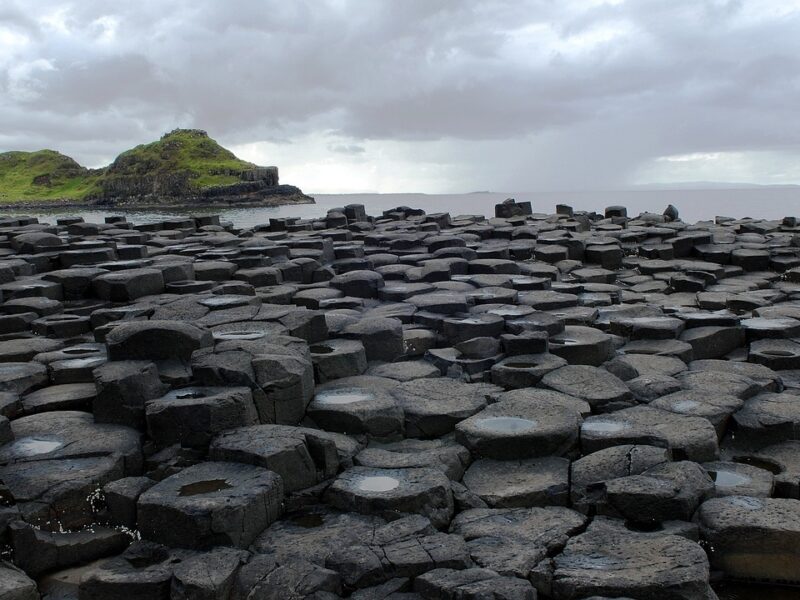
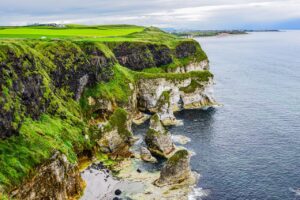
 Northern Ireland captivates visitors with its dramatic coastlines, ancient castles, vibrant cities, and warm hospitality. From the mystical Giant’s Causeway to the modern Titanic Belfast museum, this compact country offers an incredible diversity of experiences. Whether you’re a Game of Thrones fan seeking filming locations, a history buff exploring centuries-old castles, or an outdoor enthusiast ready to hike the Mourne Mountains, Northern Ireland delivers unforgettable adventures.
Top 10 Must-Visit Attractions in Northern Ireland
1. Giant’s Causeway
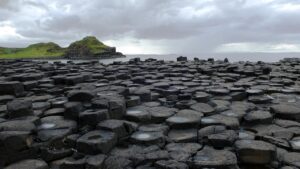 The crown jewel of Northern Ireland’s natural wonders, the Giant’s Causeway is a geological marvel featuring approximately 40,000 interlocking hexagonal basalt columns formed by volcanic activity 60 million years ago. According to legend, the Irish giant Finn McCool built this causeway to reach Scotland and fight his rival Benandonner.
Location: County Antrim, North Coast
Entry Fee: £13.50 adults, £6.75 children (includes visitor center)
Must-See Features:
- The Grand Causeway – the main hexagonal column area
- The Organ – basalt columns resembling organ pipes
- Giant’s Boot – a boot-shaped rock formation
- Chimney Stacks – weathered columns visible from clifftop
Insider Tip: Visit early morning or late afternoon to avoid crowds and catch the best lighting for photography.
2. Causeway Coastal Route
Stretching 120 miles from Belfast to Londonderry, the Causeway Coastal Route ranks among Europe’s most spectacular road trips. This scenic drive winds past rugged cliffs, sandy beaches, charming villages, and numerous Game of Thrones filming locations.
Key Stops Along the Route:
- Carrickfergus Castle – 12th-century Norman castle
- The Gobbins Cliff Path – dramatic coastal walkway
- Glenarm Castle and Gardens
- Cushendun Caves – Game of Thrones location
- Ballintoy Harbour – picturesque fishing village
- Whiterocks Beach – stunning limestone cliffs
Driving Time: 3-4 hours without stops; allow 1-2 days to explore properly
3. Carrick-a-Rede Rope Bridge
Test your nerves on this exhilarating rope bridge suspended 30 meters above the Atlantic Ocean. Originally erected by salmon fishermen over 350 years ago, today’s bridge connects the mainland to tiny Carrick-a-Rede Island, offering breathtaking coastal views.
Location: Near Ballintoy, County Antrim
Entry Fee: £13 adults, £6.50 children (advance booking essential)
Bridge Stats: 20 meters long, 30 meters above sea level
Best Views: On clear days, you can see Rathlin Island and even Scotland
4. The Dark Hedges
This enchanting avenue of intertwined beech trees gained worldwide fame as the Kingsroad in Game of Thrones. Planted in the 18th century by the Stuart family, these ancient trees create a natural cathedral that’s become one of Northern Ireland’s most photographed locations.
Location: Bregagh Road, near Ballymoney
Entry: Free (roadside attraction)
Photography Tips:
- Visit at sunrise for mystical fog effects
- Weekday mornings have fewer tourists
- Autumn offers spectacular colors
Conservation Note: Please respect the trees and use designated parking areas to help preserve this natural wonder.
5. Belfast – Capital City Adventures
Northern Ireland’s vibrant capital seamlessly blends industrial heritage with modern culture. From the world-famous Titanic Quarter to thought-provoking political murals, Belfast offers diverse attractions for every interest.
Top Belfast Attractions:
- Titanic Belfast: Award-winning museum in the historic shipyard where RMS Titanic was built. Interactive exhibits across nine galleries tell the ship’s story from conception to tragedy.
- Ulster Museum: Free admission to Northern Ireland’s premier museum featuring art, history, and natural sciences.
- Botanic Gardens: Victorian gardens with tropical ravine and palm house.
- Peace Walls & Political Murals: Powerful street art documenting The Troubles. Black taxi tours provide historical context.
- St. George’s Market: Victorian market hall hosting weekend food and craft markets.
6. Dunluce Castle
Perched dramatically on a clifftop, the medieval ruins of Dunluce Castle inspired both C.S. Lewis’s Cair Paravel and served as House Greyjoy’s seat in Game of Thrones. Dating from the 13th century, the castle offers spectacular ocean views and fascinating history.
Location: Near Portrush, County Antrim
Entry Fee: £6 adults, £4 children
Historical Highlight: In 1639, part of the kitchen fell into the sea during a storm, taking several servants with it.
7. Derry/Londonderry
Northern Ireland’s second city boasts the best-preserved city walls in Ireland, dating from 1613-1619. This walled city offers a unique blend of history, culture, and contemporary arts.
Key Attractions:
- City Walls: 1.5km walk with cannons and watchtowers
- Peace Bridge: Modern pedestrian bridge symbolizing unity
- Museum of Free Derry: Chronicles the civil rights movement
- Guildhall: Neo-Gothic architecture with stunning stained glass
- Bogside Murals: Powerful political artwork including “Bloody Sunday” memorial
8. Mourne Mountains
This Area of Outstanding Natural Beauty inspired C.S. Lewis’s Narnia landscapes. The Mournes offer exceptional hiking, from gentle coastal walks to challenging peaks including Slieve Donard, Northern Ireland’s highest mountain at 850 meters.
Popular Hiking Routes:
- Slieve Donard: 4-5 hours return, panoramic views
- Mourne Wall Trek: 35km circuit for experienced hikers
- Silent Valley: Easy walks around reservoir
Location: County Down, 30 miles south of Belfast
9. Hillsborough Castle and Gardens
The official residence of the British Royal Family in Northern Ireland, this Georgian castle played a crucial role in the peace process. The 100-acre gardens feature both formal and informal landscaping.
Location: Hillsborough, County Down
Tours: Castle and gardens tours available (booking recommended)
Historical Significance: Venue for the 1985 Anglo-Irish Agreement
10. Ulster American Folk Park
This living history museum tells the story of Irish emigration to America in the 18th and 19th centuries. Costumed interpreters bring history to life in recreated buildings from both Ulster and frontier America.
Location: Omagh, County Tyrone
Highlights:
- Authentic Ulster cottages and American log cabins
- Replica emigrant sailing ship
- Traditional crafts demonstrations
- Special events including harvest celebrations
Planning Your Northern Ireland Adventure
Getting Around Northern Ireland
By Car: Renting a car provides maximum flexibility for exploring coastal routes and rural attractions. Roads are well-maintained, and driving is on the left side. GPS is recommended for navigating country roads.
Public Transport: Translink operates buses and trains connecting major towns and cities. The Belfast-Derry train journey is particularly scenic.
Organized Tours: Multiple operators offer day trips from Belfast to Giant’s Causeway and Game of Thrones locations.
Where to Stay
- Belfast: Central location with accommodation options from hostels to luxury hotels
- Bushmills: Perfect base for exploring the Causeway Coast
- Newcastle: Gateway to the Mourne Mountains
- Portrush: Seaside resort town with beaches and golf courses
Money-Saving Tips
- Many museums in Belfast offer free admission
- The National Trust Touring Pass covers multiple attractions
- Book accommodation and attraction tickets online for discounts
- Visit during shoulder season (May-June, September) for lower prices
Frequently Asked Questions About Northern Ireland Travel
What is the best time to visit Northern Ireland?
The best time to visit Northern Ireland is from May to September when the weather is warmest and days are longest. July and August are peak tourist months with temperatures averaging 15-20°C (59-68°F). For fewer crowds, consider visiting in May, June, or September.
How many days do I need to see Northern Ireland’s main attractions?
A minimum of 3-4 days is recommended to see Northern Ireland’s main attractions. This allows time for Belfast (1-2 days), the Causeway Coastal Route including Giant’s Causeway (1-2 days), and possibly Derry/Londonderry or the Mourne Mountains. For a more relaxed pace, 5-7 days is ideal.
Is it better to rent a car or use public transport in Northern Ireland?
Renting a car is highly recommended for exploring Northern Ireland, especially for the Causeway Coastal Route and rural attractions. While Belfast and Derry have good public transport, many scenic spots like the Dark Hedges and remote castles are difficult to reach without a car. Driving is on the left side of the road.
What currency is used in Northern Ireland?
Northern Ireland uses the British Pound Sterling (GBP). Credit and debit cards are widely accepted, but it’s advisable to carry some cash for small vendors and rural areas. ATMs are readily available in towns and cities.
Is Northern Ireland safe for tourists?
Yes, Northern Ireland is very safe for tourists. The country has transformed dramatically since the Good Friday Agreement of 1998. Tourist areas are secure, locals are friendly and helpful, and violent crime rates are low. Standard travel precautions apply as in any destination.
Do I need a visa to visit Northern Ireland?
Northern Ireland is part of the United Kingdom. EU citizens don’t need a visa for short visits. Citizens of the USA, Canada, Australia, and many other countries can visit visa-free for up to 6 months. Check the UK government website for specific requirements based on your nationality.
What should I pack for Northern Ireland?
Pack layers and waterproof clothing regardless of the season. Essential items include a rain jacket, comfortable walking shoes, warm sweater, and umbrella. Even in summer, evenings can be cool. Don’t forget a camera for the stunning scenery!
Are Game of Thrones tours worth it?
If you’re a fan of the series, absolutely! Northern Ireland features over 25 filming locations. Specialized tours provide behind-the-scenes stories, show clips at locations, and often include exclusive access. Even non-fans enjoy the spectacular scenery featured in the show.
What are the must-try foods in Northern Ireland?
Don’t miss the Ulster Fry (full breakfast), soda bread, potato farls, Comber potatoes, Bushmills whiskey, and local seafood. Belfast’s St. George’s Market is excellent for sampling local specialties. Traditional pubs serve hearty Irish stews and locally brewed beers.
Can I visit both Northern Ireland and the Republic of Ireland?
Yes! There’s no hard border between Northern Ireland and the Republic of Ireland. You can freely travel between both, making it easy to combine Dublin, the Cliffs of Moher, and other Republic attractions with your Northern Ireland itinerary. Just note that the Republic uses the Euro currency.
Final Thoughts on Visiting Northern Ireland
Northern Ireland offers an extraordinary blend of natural wonders, rich history, and warm hospitality in a compact, easily explorable package. From the geometric perfection of Giant’s Causeway to Belfast’s compelling urban narrative, every corner reveals new stories and stunning vistas. Whether you’re drawn by Game of Thrones locations, seeking outdoor adventures, or simply wanting to experience genuine Irish culture, Northern Ireland delivers memories to last a lifetime.
Start planning your Northern Ireland adventure today, and discover why this small country leaves such a big impression on all who visit. The legendary Irish welcome awaits!
Seasonal Guide to Northern Ireland
Spring (March – May)
Weather: 8-15°C (46-59°F), increasing daylight hours
Highlights:
- St. Patrick’s Day celebrations (March 17)
- Blooming gardens at Mount Stewart and Rowallane
- Fewer tourists at major attractions
- Perfect hiking weather in the Mournes
Pack: Layers, waterproof jacket, comfortable walking shoes
Summer (June – August)
Weather: 15-20°C (59-68°F), longest days with sunset after 10 PM
Highlights:
- Orange Order parades (July 12)
- Beach weather on the Causeway Coast
- Outdoor festivals and events
- Best conditions for Carrick-a-Rede Bridge
Note: Book accommodation well in advance; this is peak season
Autumn (September – November)
Weather: 10-15°C (50-59°F), crisp and clear days
Highlights:
- Stunning fall colors at Dark Hedges
- Apple harvest festivals
- Dramatic storm watching on the coast
- Halloween origins at Derry’s Banks of the Foyle festival
Bonus: Hotel rates drop after summer rush
Winter (December – February)
Weather: 2-8°C (36-46°F), short days but cozy atmosphere
Highlights:
- Christmas markets in Belfast
- Potential Northern Lights viewing
- Cozy pub sessions with traditional music
- Dramatic winter seascapes
Advantage: Minimal crowds at tourist sites
Hidden Gems & Off-the-Beaten-Path Attractions
Rathlin Island
Northern Ireland’s only inhabited offshore island offers puffin watching (April-July), seal colonies, and the upside-down lighthouse. Ferry from Ballycastle takes 25 minutes.
Glenariff Forest Park
Known as “Queen of the Glens,” this park features waterfalls, walking trails, and the spectacular Glenariff Gorge. The Waterfall Walkway offers breathtaking views.
Tollymore Forest Park
Game of Thrones fans will recognize this as the Haunted Forest. Features Gothic stone arches, bridges, and mountain views. Located in Newcastle, County Down.
Castle Ward
This 18th-century mansion doubled as Winterfell in Game of Thrones. Offers archery experiences and cycling trails around the 820-acre estate on Strangford Lough.
Northern Ireland Itineraries
3-Day Express Tour
Day 1: Belfast
- Morning: Titanic Belfast (3 hours)
- Afternoon: City center, Cathedral Quarter
- Evening: Political murals tour
Day 2: Causeway Coast
- Early: Drive to Giant’s Causeway
- Midday: Carrick-a-Rede Bridge
- Afternoon: Dunluce Castle, Dark Hedges
- Evening: Bushmills Distillery
Day 3: Choose Your Adventure
- Option A: Derry/Londonderry walls and museums
- Option B: Mourne Mountains hiking
- Option C: Game of Thrones locations tour
7-Day Complete Experience
Days 1-2: Belfast Deep Dive
- Explore all major Belfast attractions
- Day trip to Ulster Folk Museum
- Evening entertainment in Cathedral Quarter
Days 3-4: Causeway Coastal Route
- Slow drive with multiple stops
- Overnight in Portrush or Bushmills
- Include Rathlin Island ferry trip
Day 5: Derry/Londonderry
- Walk the walls
- Explore museums and murals
- Cross Peace Bridge at sunset
Days 6-7: County Down
- Mourne Mountains hiking
- Castle Ward and Strangford Lough
- Return to Belfast via coastal route
Practical Travel Tips
Transportation Tips
- Fuel: Petrol stations are plentiful but may be sparse in rural areas. Fill up in towns.
- Parking: Park and ride facilities available in Belfast. Many attractions offer free parking.
- Speed Limits: 30 mph in towns, 60 mph on single carriageways, 70 mph on motorways
- Tolls: No toll roads in Northern Ireland
Cultural Etiquette
- Greetings: A friendly “hello” or “how’s it going?” is common
- Pub Culture: Buying rounds is traditional; wait for table service in restaurants
- Tipping: 10-15% in restaurants if service charge not included
- Politics: Avoid discussing politics unless invited; the topic can be sensitive
- Photography: Ask permission before photographing people, especially at political murals
Emergency Information
- Emergency Services: 999 or 112
- Non-emergency Police: 101
- NHS Non-emergency: 111
- Tourist Information: +44 (0)28 9023 1221
Budget Guide to Northern Ireland
Daily Budget Estimates
Backpacker: £30-50 per day
- Hostel dorm: £15-25
- Self-catered meals: £10-15
- Local transport: £5-10
Mid-Range: £80-120 per day
- Hotel/B&B: £50-70
- Restaurant meals: £20-30
- Car rental: £30-40
Luxury: £200+ per day
- Premium hotels: £100-200
- Fine dining: £50-80
- Private tours: £50-100
Family-Friendly Northern Ireland
Top Attractions for Children
- W5 Science Centre, Belfast: Interactive science exhibits perfect for curious minds
- Ulster Transport Museum: Vintage trains, cars, and aircraft
- Exploris Aquarium, Portaferry: Touch tanks and seal sanctuary
- Todds Leap Activity Centre: Zip lines, climbing walls, and outdoor adventures
- Barry’s Amusements, Portrush: Traditional seaside funfair
Accessibility Information
Accessible Attractions
- Titanic Belfast: Fully wheelchair accessible with lifts to all floors
- Giant’s Causeway Visitor Centre: Accessible paths and shuttle bus available
- Ulster Museum: Step-free access throughout
- Peace Bridge, Derry: Gentle gradient suitable for wheelchairs
Note: Many historic sites have limited accessibility due to preservation requirements. Contact venues in advance for specific needs.
Sustainable Tourism in Northern Ireland
Eco-Friendly Travel Tips
- Use public transport where possible – Translink offers good coverage
- Support local businesses and buy local produce
- Respect protected areas and follow Leave No Trace principles
- Choose eco-certified accommodation
- Bring reusable water bottles – tap water is safe to drink
Remember: Northern Ireland may be small in size, but it’s enormous in character, beauty, and experiences. Whether you’re tracing Game of Thrones locations, marveling at natural wonders, or simply enjoying the craic in a local pub, you’ll find that Northern Ireland leaves an indelible mark on your heart. Safe travels, and enjoy your adventure in the Emerald Isle!