
 Rising from the emerald Ionian Sea like a jewel dropped by Venetian nobility, Corfu stands apart from every other Greek island through an extraordinary combination of sophisticated European elegance and authentic Greek soul that creates experiences found nowhere else in the Mediterranean. This remarkable island, where four centuries of Venetian rule created UNESCO World Heritage architecture while never surrendering its essential Greek character, offers travelers the rare opportunity to experience aristocratic refinement alongside genuine island life in settings that seem designed by romantic poets rather than mere mortals.What makes Corfu magical isn’t just its status as Greece’s most elegant island, but the remarkable way Venetian palazzos shelter authentic Greek tavernas, where emerald landscapes frame dramatic coastlines that inspired both Homer and Lord Byron, and where morning coffee in marble-paved squares feels like joining a centuries-old conversation between Greek philosophy and Venetian sophistication. This is the Greek island that European aristocracy chose as their refuge, where cultural refinement and natural beauty create experiences that satisfy both intellectual curiosity and sensual pleasure in settings that make every visitor feel temporarily aristocratic. 🌿
Table of Contents
The Venetian Legacy: Europe’s Most Elegant Greek Island 🎭
 Corfu’s unique character stems from its extraordinary history as the only major Greek island that never fell under Ottoman rule, instead enjoying four centuries (1386-1797) of Venetian protection that created architectural and cultural sophistication unmatched anywhere else in the Greek islands while preserving and enhancing rather than suppressing local Greek traditions and cultural identity that flourished under cosmopolitan European influences rather than foreign occupation and cultural domination.
This remarkable historical trajectory produced the distinctive Corfiot identity where Greek Orthodox spirituality coexists with Catholic architectural influences, where Italian culinary techniques enhance rather than replace traditional Greek recipes, and where Venetian urban planning principles created elegant public spaces that continue supporting sophisticated social life and cultural expression that reflects both Greek warmth and European refinement in unique cultural synthesis found nowhere else in the Mediterranean world. 🏛️
The Venetian legacy extends far beyond architecture to encompass educational traditions, musical culture, and social customs that created an island society more closely resembling aristocratic Italian city-states than typical Greek island communities, while maintaining essential Greek characteristics including family solidarity, religious devotion, and maritime traditions that adapted to rather than surrendered under sophisticated European cultural influences that enhanced rather than replaced authentic island identity and community values. 📚
UNESCO Old Town: Walking Through Living History 🚶♀️
Spianada: Europe’s Largest Square
The Spianada (Esplanade) represents one of Europe’s largest and most elegant town squares, where Venetian urban planning created magnificent public spaces that continue serving as Corfu’s social and cultural heart while demonstrating how thoughtful city design can enhance rather than constrain community life through generous proportions, sophisticated architecture, and integration with natural beauty that creates urban environments supporting both practical needs and aesthetic pleasure.
The square’s cricket pitch—a unique legacy of British rule—provides unexpected sporting sophistication while surrounding neoclassical buildings house elegant cafes where locals maintain traditions of afternoon social gathering and cultural conversation that reflect both Greek kafeneio culture and European salon traditions. The Liston arcade, inspired by Paris’s Rue de Rivoli, creates atmospheric settings for observing Corfiot social life in architecturally magnificent surroundings. 🏏
Old Fortress: Venetian Military Engineering
The Old Fortress (Paleo Frourio) demonstrates Venetian military engineering at its finest, where strategic positioning on a rocky peninsula creates impregnable defenses while sophisticated architectural design produces fortress complexes that combine military effectiveness with aesthetic beauty and practical accommodation for garrison life during centuries of successful defense against Ottoman expansion attempts that threatened Venetian maritime empire and European Christian civilization.
The fortress museums and cultural spaces demonstrate how military architecture can adapt to peaceful purposes while maintaining historical integrity and educational value that helps visitors understand both Venetian strategic thinking and the crucial role Corfu played in European defense against Ottoman expansion. Walking the fortress walls provides spectacular harbor views while revealing architectural details that showcase Venetian engineering sophistication and artistic sensibility. ⚔️
New Fortress: British Additions
The New Fortress (Neo Frourio) showcases British architectural contributions during their brief but influential rule (1815-1864) when additional fortifications and infrastructure improvements enhanced Venetian foundations while introducing neoclassical elements and urban planning concepts that further sophisticized Corfu’s architectural character and urban functionality through careful integration of British efficiency with existing Venetian elegance and Greek cultural traditions.
The fortress complex now houses cultural venues and provides elevated viewpoints over the Old Town’s remarkable architectural ensemble while demonstrating how successive European influences could enhance rather than replace existing cultural achievements through respectful adaptation and thoughtful integration that preserved essential character while adding contemporary functionality and aesthetic refinement that serves current community needs. 🏴
Venetian Architecture Walking Routes
Exploring Corfu’s Old Town requires understanding how Venetian urban planning created intimate neighborhoods connected by marble-paved streets that reveal architectural treasures around every corner while maintaining human scale and pedestrian comfort that encourages extended exploration and cultural discovery through careful observation of architectural details, social spaces, and urban design principles that continue supporting community life and cultural expression.
The Jewish Quarter, Campiello district, and various noble palace areas provide different perspectives on how Venetian architecture adapted to local conditions while creating urban environments that support both practical needs and cultural sophistication through architectural variety, artistic decoration, and spatial organization that demonstrates how European city planning could enhance rather than constrain Mediterranean lifestyle and community traditions. 🗺️
Architectural Highlights Guide
| District | Style | Key Features | Must-See |
|---|---|---|---|
| Spianada | Neoclassical | Elegant arcades, cafes | Liston, Palace of St. Michael |
| Campiello | Venetian | Narrow streets, noble houses | Traditional neighborhoods |
| Jewish Quarter | Mixed European | Synagogue, cultural sites | Historical heritage |
| Fortresses | Military | Defensive walls, harbors | Panoramic views, museums |
Emerald Coast: Corfu’s Pristine Beach Paradise 🏖️
Paleokastritsa: Monastery and Marine Paradise
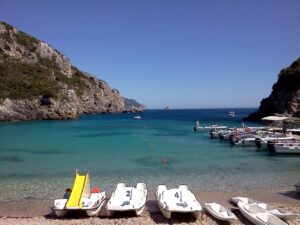
Paleokastritsa represents Corfu’s most spectacular coastal destination where a clifftop monastery overlooks six pristine bays with crystal-clear waters that create natural swimming pools of extraordinary beauty while dramatic limestone formations provide both scenic grandeur and practical wind protection that ensures comfortable beach experiences even during strong meltemi winds that can affect other exposed coastal areas throughout the Greek islands.
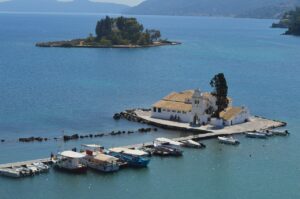
The 13th-century Monastery of Theotokos provides spiritual and cultural context while offering panoramic views over the coastline that inspired countless artists and writers including Lawrence Durrell, who considered Paleokastritsa among the world’s most beautiful places. Traditional tavernas serve fresh seafood in settings where natural beauty enhances rather than competes with culinary excellence while boat excursions provide access to hidden caves and secluded beaches. 🏛️
Canal d’Amour: Romantic Coastal Drama
Canal d’Amour (Channel of Love) creates one of the Mediterranean’s most romantic coastal settings where dramatic sandstone cliffs sculpted by centuries of wave action form natural channels and swimming pools that local legend claims grant eternal love to couples who swim through together. This extraordinary geological formation demonstrates how natural forces can create landscapes more spectacular than human imagination while providing intimate swimming experiences in settings of unparalleled natural beauty.
The beach’s unique rock formations provide natural diving platforms and exploration opportunities while the sunset views create romantic atmospheres that justify the location’s reputation as Corfu’s most romantic destination. The nearby village of Sidari offers accommodation and dining options while maintaining traditional character that enhances rather than detracts from the natural beauty that attracts visitors seeking both adventure and romance. 💕
Glyfada: Golden Sand Sophistication
Glyfada Beach offers Corfu’s finest golden sand in a sophisticated resort setting where Blue Flag certification ensures environmental quality while comprehensive facilities including beach clubs, water sports, and beachfront dining create complete beach experiences that satisfy both relaxation and activity preferences without compromising natural beauty or environmental integrity that makes this beach one of the Mediterranean’s finest family destinations.
The beach’s consistent shallow waters and gentle surf provide ideal conditions for families while the surrounding pine forests offer natural shade and scenic beauty that enhance beach experiences through environmental variety and natural cooling. Professional beach services maintain high standards while preserving natural character that distinguishes Glyfada from commercialized resort beaches that prioritize profit over environmental quality and visitor satisfaction. 🌲
Kassiopi: Traditional Fishing Village Charm
Kassiopi preserves authentic fishing village character while offering excellent beaches and sophisticated dining that demonstrate how tourism development can enhance rather than destroy traditional communities through careful planning and respect for local culture and environmental heritage. The village’s Roman ruins, Byzantine castle remains, and traditional harbor create cultural context while pristine pebble beaches provide swimming in crystal-clear waters.
Traditional tavernas serve fresh seafood caught by local fishermen while family-run accommodations offer personal attention and cultural insights that reveal authentic Corfiot lifestyle and community traditions. The village’s position on the northeast coast provides protection from prevailing winds while offering spectacular views toward Albania and dramatic sunset perspectives that create romantic dining experiences in authentic cultural settings. 🎣
Beach Selection Matrix
- Families: Glyfada (golden sand, facilities), Barbati (crystal waters, safe)
- Romance: Canal d’Amour (dramatic setting), Paleokastritsa (monastery views)
- Adventure: Porto Timoni (hiking access), Myriotissa (naturist, wild)
- Culture: Kassiopi (traditional village), Benitses (archaeological sites)
- Luxury: Kommeno Peninsula (exclusive resorts), Dassia (upscale facilities)
Aristocratic Heritage: Palaces and Cultural Refinement 👑
Achilleion Palace: Imperial Elegance
The Achilleion Palace, built by Empress Elisabeth of Austria and later owned by Kaiser Wilhelm II, represents the pinnacle of 19th-century aristocratic taste where neoclassical architecture, magnificent gardens, and artistic collections create comprehensive expressions of imperial luxury and cultural sophistication that demonstrate how European nobility appreciated and enhanced Corfu’s natural beauty through architectural excellence and landscape design that integrated classical themes with Mediterranean settings.
The palace’s museums and gardens provide insights into aristocratic lifestyle while spectacular terraced gardens descending toward the sea showcase landscape architecture that enhances rather than competes with natural beauty. The building’s artistic collections and imperial apartments reveal how European nobility lived while the panoramic views explain why Corfu attracted royal attention and investment in cultural monuments that continue enriching island heritage and visitor experiences. 👸
British Residential Legacy
British colonial administration (1815-1864) introduced neoclassical public buildings, infrastructure improvements, and educational institutions that enhanced Corfu’s cultural sophistication while respecting existing Venetian and Greek heritage through thoughtful integration of British efficiency with Mediterranean aesthetic sensibilities and community traditions that created unique architectural synthesis and urban planning principles that continue benefiting contemporary island life.
The Palace of St. Michael and St. George, designed as the British residence, now houses the Museum of Asian Art in settings that demonstrate how colonial architecture could enhance rather than dominate existing urban environments while the British legacy includes educational institutions, legal systems, and infrastructure improvements that contributed to Corfu’s development as a sophisticated cultural center and administrative hub. 🎓
Musical and Literary Traditions
Corfu’s sophisticated cultural heritage includes strong musical traditions where philharmonic societies, opera performances, and classical music education reflect Italian influences while maintaining Greek cultural identity through synthesis of European artistic sophistication with authentic island community traditions and cultural expression that created unique artistic environment supporting both traditional and contemporary cultural creativity and artistic excellence.
Literary connections including Lawrence Durrell’s “Prospero’s Cell” and Gerald Durrell’s “My Family and Other Animals” reveal how Corfu inspired international writers while local literary traditions demonstrate how island culture supported intellectual development and artistic expression through educational institutions, cultural salons, and community support for artistic endeavors that continue enriching contemporary cultural life and artistic heritage. 📖
Contemporary Cultural Institutions
Modern Corfu maintains cultural sophistication through museums, galleries, and cultural centers that preserve and interpret island heritage while supporting contemporary artistic expression and cultural education that connects historical achievements to current community life and visitor education through programming that demonstrates how cultural preservation can support rather than constrain contemporary creativity and community development.
Cultural festivals, artistic residencies, and educational programs provide opportunities for authentic cultural participation while supporting local artists and cultural institutions that maintain Corfu’s reputation for cultural sophistication and artistic excellence. These contemporary cultural expressions demonstrate how traditional heritage can inspire rather than limit contemporary creativity and community cultural development through respectful adaptation and innovative programming. 🎨
Mountain Villages: Authentic Corfu in the Hills 🏔️
Pelekas: Sunset Village
Pelekas village, perched on a hill overlooking the west coast, provides spectacular sunset viewing opportunities while maintaining authentic village character where traditional architecture, family tavernas, and local community life demonstrate how mountain communities preserve Greek island culture while adapting to limited tourism that enhances rather than overwhelms local traditions and economic activities through sustainable development and cultural preservation.
The village’s elevated position offers panoramic views over olive groves and coastal plains while traditional stone houses and narrow streets create atmospheric settings for observing authentic Greek island life. Kaiser Wilhelm II’s observation throne (Kaiser’s Throne) provides historical context while local tavernas serve traditional cuisine in family establishments that welcome visitors into authentic community experiences that reveal genuine Greek hospitality and cultural traditions. 🌅
Lakones: Balcony of the Gods
Lakones village commands extraordinary views over Paleokastritsa from elevated positions that locals call the “Balcony of the Gods” while preserving traditional mountain village character through stone architecture, terraced agriculture, and community life that demonstrates how challenging terrain can create both spectacular beauty and strong community bonds through shared agricultural work and mutual support that sustains traditional Greek island culture.
Traditional kafeneia and family tavernas provide authentic cultural experiences while walking trails connect the village to coastal areas through olive groves and countryside that reveals Corfu’s agricultural heritage and environmental diversity. The village’s position provides cooling breezes and temperature relief during summer months while maintaining access to coastal attractions through scenic mountain roads that enhance rather than detract from natural beauty. ☕
Old Perithia: Abandoned Village Revival
Old Perithia represents Corfu’s most complete preserved traditional village where stone architecture and mountain setting demonstrate how Corfiot communities adapted to challenging terrain while maintaining cultural traditions and economic independence through agriculture, animal husbandry, and traditional crafts that sustained village life for centuries before contemporary migration to coastal areas and tourism-related employment transformed island demographics and settlement patterns.
Recent restoration efforts and cultural programming provide opportunities for understanding traditional Corfiot lifestyle while authentic tavernas and cultural interpretation demonstrate how heritage preservation can create sustainable tourism that supports rather than exploits cultural heritage through respectful development and community participation in cultural education and economic development that maintains authentic character while providing contemporary amenities and services. 🏘️
Mount Pantokrator: Island’s Highest Peak
Mount Pantokrator (906 meters) provides Corfu’s most spectacular panoramic views while offering hiking opportunities through diverse ecosystems that reveal the island’s remarkable biodiversity and natural beauty beyond coastal attractions. The mountain’s monastery and telecommunications facilities demonstrate how natural landmarks serve both spiritual and practical purposes while providing access to wilderness experiences and natural observation that complement coastal and cultural tourism activities.
Hiking trails of varying difficulty provide access to different elevations and ecosystems while scenic drives offer less strenuous access to elevated viewpoints and cultural sites. The mountain’s position provides views over Albania, mainland Greece, and the entire Corfu coastline while demonstrating how elevation creates microclimates and vegetation zones that support diverse plant and animal species rarely observed in coastal areas. 🥾
Authentic Cultural Experiences: Living Heritage 🎭
Orthodox Religious Traditions
Corfu’s Orthodox religious heritage includes spectacular churches, monasteries, and religious festivals that provide authentic experiences of Greek spiritual culture while demonstrating how religious traditions maintain community identity and cultural continuity through ceremonies, celebrations, and community participation that welcome respectful visitor observation and appropriate participation in traditional religious and cultural expressions that sustain island community life and spiritual traditions.
The Easter celebrations in Corfu represent among Greece’s most elaborate and spectacular religious observances where traditional processions, church services, and community celebrations create comprehensive cultural experiences that reveal authentic Greek Orthodox culture while welcoming visitors to participate appropriately in community spiritual and cultural life through respectful observation and cultural sensitivity that enhances rather than disrupts religious observance and community tradition. ⛪
Traditional Festivals and Community Celebrations
Corfu maintains rich festival traditions where religious observances, seasonal celebrations, and cultural events provide authentic experiences of island community life while demonstrating how traditional practices adapt to contemporary circumstances through community organization and cultural programming that preserves essential traditions while accommodating changing social conditions and visitor interest in authentic cultural participation and community cultural expression.
Village festivals, cultural performances, and seasonal celebrations often welcome respectful visitor participation while providing insights into authentic Greek island social customs, traditional music and dance, and community solidarity that sustains local culture and identity through shared celebration and cultural expression that connects historical traditions to contemporary community life and cultural continuity across generations of island residents. 🎪
Culinary Traditions and Cooking Heritage
Corfiot cuisine reflects the island’s unique cultural heritage through dishes that combine Greek traditions with Venetian influences while incorporating local ingredients and preparation methods that demonstrate how cultural exchange can enhance rather than replace traditional culinary practices through adaptation and innovation that preserves essential flavors while incorporating sophisticated techniques and international influences that create distinctive regional cuisine.
Traditional dishes including sofrito (veal in white wine sauce), pastitsada (pasta with spiced meat), and local olive oil and wine productions provide opportunities for culinary education and authentic taste experiences while cooking classes and family restaurant visits offer insights into traditional preparation methods and cultural significance of food in Greek island community life and family traditions that maintain cultural identity through culinary heritage. 🍽️
Traditional Crafts and Artisan Heritage
Traditional Corfiot crafts including pottery, weaving, and olive oil production continue through family workshops and cultural preservation efforts that maintain traditional knowledge while adapting to contemporary markets and visitor interest in authentic cultural products and educational experiences that demonstrate how traditional skills can provide economic opportunity while preserving cultural heritage and community knowledge that connects contemporary practice to historical traditions.
Workshop visits, cultural demonstrations, and authentic purchases support artisans who maintain traditional knowledge while providing visitors with cultural education and meaningful souvenirs that represent genuine island culture rather than mass-produced tourism merchandise. These experiences often include family stories and cultural context that reveal how traditional skills and knowledge pass through generations while adapting to changing economic and social conditions. 🏺
Practical Corfu: Planning Your Venetian Paradise Experience 📋
Transportation and Getting Around
Corfu’s manageable size and well-developed infrastructure make comprehensive exploration feasible through various transportation options including car rental for maximum flexibility, public buses for economical transportation to major destinations, and organized tours for cultural education and convenience while understanding transportation choices affects both visitor experience and impact on local communities and environmental conditions that require conscious decision-making and respectful travel practices.
Corfu airport provides convenient international access while ferry connections to mainland Greece and other Ionian islands support comprehensive regional exploration. Local transportation includes taxis, rental vehicles, and walking within Corfu Old Town where pedestrian areas preserve historical character while modern transportation infrastructure supports efficient movement between coastal, mountain, and cultural destinations throughout the island. 🚗
Accommodation Strategies by Experience Type
Corfu accommodation ranges from luxury resorts and boutique hotels to traditional guesthouses and family-run establishments that provide different levels of service and cultural authenticity while location choices significantly impact visitor experience through proximity to specific attractions, communities, and natural areas that define different aspects of island life and cultural expression requiring strategic planning based on individual interests and travel priorities.
Old Town accommodation provides cultural immersion and walking access to historical sites while coastal resorts offer beach convenience and recreational amenities. Mountain village guesthouses provide authentic cultural experiences while luxury properties offer comprehensive services and exclusive access to protected natural areas and cultural sites that justify premium pricing through exceptional quality and personalized attention to visitor needs and preferences. 🏨
Accommodation Location Guide
Accommodation Location Guide
- Cultural Focus: Old Town UNESCO area, walking to historical sites
- Beach Lovers: Glyfada/Paleokastritsa, direct beach access
- Luxury Seekers: Kommeno Peninsula, exclusive resorts
- Authentic Experience: Mountain villages, traditional guesthouses
- Family Friendly: Dassia/Ipsos, facilities and safe beaches
- Romantic Getaway: Boutique hotels, sunset locations
Budget Planning and Cost Optimization
Corfu offers excellent value compared to other Greek islands while providing luxury experiences and cultural sophistication that justify moderate premium pricing for quality accommodations, authentic dining, and cultural activities that support local communities and heritage preservation. Understanding seasonal pricing, authentic venue selection, and cultural activity options helps optimize budgets while maintaining quality experiences that reveal genuine island culture and natural beauty.
Strategic timing during shoulder seasons, authentic restaurant selection, and combination of free cultural sites with premium experiences create comprehensive Corfu exploration at reasonable costs while supporting local businesses and cultural preservation through tourism choices that benefit rather than exploit local communities and cultural heritage. Public transportation and walking provide economical alternatives while selective splurges on exceptional experiences create memorable highlights. 💰
Daily Budget Planning
| Budget Level | Daily Cost | Accommodation | Experiences |
|---|---|---|---|
| Budget Explorer | €45-65 | Guesthouses, hostels | Public transport, free sites, tavernas |
| Cultural Traveler | €80-120 | Boutique hotels, B&Bs | Museums, quality dining, guided tours |
| Luxury Experience | €150-250 | Resort hotels, luxury suites | Private tours, fine dining, spa services |
| Romantic Getaway | €120-200 | Intimate hotels, villas | Sunset dining, couples activities |
Seasonal Planning and Weather Considerations
Corfu’s climate provides extended seasons for outdoor activities and cultural exploration while understanding seasonal patterns helps optimize experiences through appropriate timing for specific activities including beach recreation, hiking, cultural events, and outdoor dining that require different weather conditions and tourist activity levels that affect both pricing and cultural authenticity of visitor experiences throughout the annual cycle.
Spring and autumn provide optimal conditions for comprehensive exploration while summer offers peak beach and cultural activity with corresponding crowd levels and pricing. Winter provides intimate cultural experiences and dramatic weather beauty while some tourist services operate reduced schedules requiring advance planning and flexible expectations for visitors seeking authentic experiences during peaceful low-season periods. 🌤️
Seasonal Corfu: Year-Round Venetian Beauty 📅
Spring Elegance (April-May)
Spring transforms Corfu into a garden paradise where wildflowers cover hillsides, temperatures remain comfortable for extensive exploration (18-24°C), and reduced tourist activity allows authentic cultural experiences and intimate encounters with local communities while accommodation costs remain reasonable and cultural sites provide peaceful visits that enhance appreciation for architectural beauty and historical significance without summer crowds and commercial pressures.
Orthodox Easter celebrations during spring provide spectacular cultural experiences while blooming landscapes create perfect conditions for photography and outdoor activities including hiking, village exploration, and coastal walks that reveal Corfu’s remarkable natural diversity and scenic beauty. Restaurant terraces become comfortable for extended dining while cultural venues operate full programming without summer overcrowding that can diminish visitor satisfaction and cultural authenticity. 🌸
Summer Sophistication (June-August)
Summer brings Corfu’s social season when luxury resorts operate at full capacity, cultural programming reaches peak diversity, and beach activities provide comprehensive recreational opportunities while international visitors create cosmopolitan atmospheres that demonstrate Corfu’s continuing appeal to sophisticated travelers seeking both cultural refinement and natural beauty in settings that combine European elegance with Greek island charm and hospitality.
Extended daylight hours allow for comprehensive daily experiences while warm seas provide ideal swimming conditions and evening temperatures make outdoor dining and cultural activities comfortable well into late night hours. Cultural festivals, outdoor performances, and social events create vibrant cultural calendar while advance planning becomes essential for quality accommodations and restaurant reservations during peak visitor periods. ☀️
Autumn Refinement (September-October)
Autumn provides arguably the best Corfu experiences where warm seas, comfortable temperatures, and reduced crowds create optimal conditions for both cultural exploration and beach activities while harvest season brings special culinary events and wine activities that showcase local agricultural traditions and gastronomic heritage through authentic cultural programming and seasonal celebration that welcomes visitor participation in traditional community activities.
Cultural institutions resume full programming after summer tourist season while comfortable temperatures encourage extended outdoor activities and comprehensive exploration of mountain villages, coastal areas, and cultural sites without heat-related limitations or excessive crowding. Photography conditions become exceptional while golden light and clear skies create spectacular visual conditions that capture Corfu’s beauty in optimal atmospheric settings. 🍂
Winter Intimacy (November-March)
Winter reveals Corfu’s most authentic character where local life predominates and cultural attractions provide intimate experiences without crowds while dramatic weather creates atmospheric beauty and peaceful settings for contemplative appreciation of architectural treasures and natural beauty that mass tourism can obscure during busy seasons. Reduced tourist activity creates opportunities for genuine encounters with local communities and cultural traditions.
Traditional winter celebrations, cultural programming, and community events welcome visitor participation while reduced accommodation costs and personalized attention from local businesses create exceptional value for travelers seeking authentic cultural experiences and peaceful appreciation of Corfu’s remarkable heritage and natural beauty without commercial tourism pressures and crowds that can diminish cultural authenticity and visitor satisfaction. ❄️
Frequently Asked Questions 🤔
What makes Corfu different from other Greek islands?
Corfu features unique Venetian architecture, UNESCO World Heritage Old Town, emerald landscapes (not barren like Cyclades), aristocratic cultural heritage, and sophisticated European influences from four centuries of non-Ottoman rule creating elegant, cosmopolitan character unmatched among Greek islands with authentic cultural sophistication.
What are the best beaches in Corfu?
Top Corfu beaches include Paleokastritsa (monastery setting), Canal d’Amour (romantic cliffs), Glyfada (golden sand), Kassiopi (pebble charm), Barbati (crystal waters), and Myriotissa (natural beauty). Each offers different character from family-friendly organized beaches to secluded natural swimming areas.
How many days do you need in Corfu?
Minimum 4-5 days: 2 days for Old Town and cultural sites, 1-2 days for beaches, 1 day for mountain villages and Achilleion Palace. 7-10 days allows comprehensive exploration including hidden villages, monastery visits, and relaxed beach time with authentic cultural immersion and natural beauty appreciation.
When is the best time to visit Corfu?
April-June and September-October offer ideal weather with fewer crowds and authentic experiences. May features wildflowers and perfect temperatures. July-August bring peak crowds but longest days and fullest cultural programming. Autumn offers warm seas and excellent hiking conditions in comfortable temperatures.
Is Corfu Old Town worth visiting?
Absolutely! Corfu Old Town is UNESCO World Heritage site with unique Venetian architecture, elegant squares, sophisticated cafes, and cultural sophistication unmatched in Greek islands. Walk marble streets where European aristocracy once promenaded through living museum of architectural beauty and cultural refinement.
How do you get around Corfu island?
Rent a car for maximum flexibility exploring beaches and mountain villages. Public buses connect major destinations affordably. Taxis available but expensive for longer distances. Corfu Old Town perfect for walking exploration. Boat trips provide coastal access to hidden beaches and scenic coastal viewpoints.
Is Corfu suitable for luxury travel?
Yes! Corfu offers luxury resorts, boutique hotels, fine dining, cultural sophistication, and aristocratic heritage that appeal to discerning travelers. The island’s elegant character, architectural beauty, and refined cultural atmosphere provide premium experiences with authentic Greek island charm and European sophistication.
What cultural experiences should you not miss in Corfu?
Essential cultural experiences include UNESCO Old Town exploration, Achilleion Palace visit, traditional village discovery, Orthodox religious sites, local festivals (especially Easter), authentic taverna dining, and Venetian architecture appreciation that reveals unique cultural heritage and artistic sophistication unmatched elsewhere in Greece.
Hidden Corfu: Secret Treasures and Local Favorites 💎
Secret Beaches and Hidden Coves
Beyond famous beaches, Corfu conceals numerous hidden swimming spots accessible through local knowledge, hiking trails, or boat access that provide pristine coastal experiences away from organized tourism while revealing the island’s diverse coastal geography and natural beauty that rewards adventurous exploration and environmental sensitivity through respectful access and appreciation for fragile coastal ecosystems and private property rights.
Porto Timoni beach requires hiking access but provides spectacular twin-bay swimming in pristine natural settings while various small coves along the northeast coast offer intimate swimming experiences accessible only through local guidance or careful exploration. These hidden locations often provide the most memorable coastal experiences while requiring respect for environmental protection and community guidelines that ensure continued accessibility. 🏊♀️
Traditional Villages and Authentic Life
Inland Corfu preserves authentic village life where traditional agriculture, family businesses, and community customs continue largely unaffected by coastal tourism while providing insights into genuine Greek island culture and lifestyle that reveals how island communities maintain cultural identity and economic independence through traditional practices and mutual support that sustains authentic cultural expression and community values.
Villages like Strinylas, Episkepsi, and Makrades offer authentic cultural experiences while traditional tavernas and family guesthouses provide personal attention and cultural insights that commercial tourism rarely achieves. These communities often welcome respectful visitors who demonstrate genuine interest in local culture and traditions rather than superficial tourist consumption of cultural heritage and community resources. 🏘️
Cultural Sites and Hidden Heritage
Corfu harbors numerous cultural treasures beyond major tourist attractions where Byzantine churches, traditional architecture, and archaeological sites provide authentic historical experiences and cultural education while demonstrating how successive civilizations contributed to island heritage through architectural achievements, artistic expression, and cultural traditions that continue enriching contemporary community life and visitor understanding of Mediterranean cultural development.
Archaeological sites, traditional workshops, and cultural institutions often welcome visitors interested in learning about local heritage while family stories and community knowledge provide cultural context and personal connections that transform historical sites into living heritage that continues affecting contemporary island life and cultural identity through preservation efforts and community participation in cultural education and heritage interpretation. 🏛️
Conclusion: Your Venetian Paradise Awaits 🌅
Corfu stands as Greece’s most elegant and sophisticated island destination, where four centuries of Venetian refinement created architectural and cultural treasures that continue enchanting visitors seeking experiences that transcend typical Greek island holidays through unique combinations of European sophistication and authentic Greek warmth that create memories and relationships lasting far beyond vacation timeframes while supporting communities that maintain cultural heritage and natural beauty through sustainable tourism and cultural preservation.
This remarkable island demonstrates how cultural heritage can enhance rather than constrain contemporary life while natural beauty provides settings for both relaxation and inspiration that justify Corfu’s reputation as the Greek island preferred by European aristocracy and contemporary travelers seeking refinement, authenticity, and natural beauty in settings where every experience feels touched by centuries of cultural sophistication and artistic achievement that continues flourishing through community pride and visitor appreciation.
As you plan your Corfu adventure, remember that this island rewards visitors who approach with appreciation for cultural heritage, respect for local communities, and understanding that authentic experiences require patience, cultural sensitivity, and commitment to supporting rather than exploiting the remarkable heritage and natural beauty that make Corfu genuinely special among Mediterranean destinations. Come prepared to be transformed by elegance that spans centuries, humbled by beauty that inspired emperors, and welcomed by Greek hospitality that makes every visitor feel temporarily aristocratic. Yamas! Welcome to your Venetian paradise! 🏰🌊
- Read more about most populat greek islands: https://worldontour.com/greece/greece-islands/popular-greek-islands/
Last updated: July 16, 2025

