
The Rich History Behind La Rambla’s Fame 📚
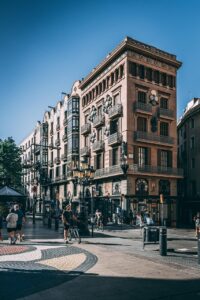 La Rambla’s transformation from a seasonal riverbed to Barcelona’s premier promenade began in the 18th century when the old city walls were demolished. The name “Rambla” derives from the Arabic word “ramla,” meaning sandy riverbed, reflecting the street’s origins as a natural watercourse that once flowed outside Barcelona’s medieval walls.
During the 19th century, La Rambla became the preferred strolling ground for Barcelona’s bourgeoisie, earning its reputation as a place “to see and be seen.” The construction of elegant buildings, theaters, and markets along its length established the street’s cultural significance. Today, the boulevard maintains this aristocratic heritage while embracing contemporary street culture, creating a unique blend of historical grandeur and modern vibrancy. 🏛️
Essential Stops Along Your La Rambla Journey 🗺️
Plaça de Catalunya: The Grand Starting Point
Begin your La Rambla adventure at Plaça de Catalunya, Barcelona’s central hub where nine streets converge. This expansive square serves as the perfect introduction to the city’s energy, featuring the historic Font de Canaletes fountain—legend claims that anyone who drinks from its waters will return to Barcelona. The square’s strategic location makes it an ideal meeting point and orientation landmark for exploring the city. 🌟
La Boqueria Market: A Culinary Paradise
Midway down La Rambla, the vibrant La Boqueria Market presents a sensory explosion of colors, aromas, and flavors. Established in 1217, this historic market showcases the finest Catalan produce, from glistening seafood and Iberian ham to exotic fruits and artisanal chocolates. The market’s modernist iron structure, dating from 1914, creates a stunning architectural backdrop for one of Europe’s most celebrated food markets. 🍎
Gran Teatre del Liceu: Opera House Elegance
The prestigious Gran Teatre del Liceu stands as one of Europe’s most important opera houses, having hosted legendary performances since 1847. Despite devastating fires in 1861 and 1994, the theater has been meticulously restored to its former glory. The building’s neoclassical facade and opulent interior reflect Barcelona’s cultural sophistication and artistic heritage. 🎼
Palau Güell: Gaudí’s Urban Masterpiece
Just steps from La Rambla, Antoni Gaudí’s Palau Güell showcases the architect’s early genius in an urban setting. This UNESCO World Heritage site, completed in 1888, demonstrates Gaudí’s innovative use of space, light, and materials. The palace’s elaborate facade and imaginative interior design offer a stark contrast to the street’s lively atmosphere while remaining an integral part of the Rambla experience. 🏰
The Art of Street Performance: La Rambla’s Living Gallery 🎨
La Rambla’s street performers, known locally as “estatuas humanas” (human statues), transform the boulevard into an open-air theater. These artists, ranging from classical musicians to elaborate costumed characters, undergo a rigorous selection process and must obtain official permits to perform in designated areas.
The variety of performances is staggering: medieval knights frozen in time, golden goddesses who move only when coins are dropped, talented musicians playing everything from classical guitar to jazz saxophone. Each performer brings their own style and story, creating an ever-changing cultural landscape that makes every walk down La Rambla a unique experience. The best performances typically occur during peak hours when crowds gather to witness these remarkable displays of artistic skill. 🎪
Navigating La Rambla: Practical Walking Guide 🚶♀️
The Complete Route Breakdown
La Rambla consists of five distinct sections, each with its own character and attractions. Starting from Plaça de Catalunya, you’ll encounter Rambla de Canaletes (known for its famous fountain), Rambla dels Estudis (the historic university area), Rambla de Sant Josep (home to La Boqueria), Rambla dels Caputxins (the theater district), and finally Rambla de Santa Mònica (leading to the waterfront).
The central pedestrian area spans 20 meters wide, flanked by narrow traffic lanes and tree-lined sidewalks. Walking the entire length takes 15-20 minutes at a leisurely pace, but most visitors spend 2-4 hours exploring the numerous attractions, shops, and cafés along the way. The gentle downhill slope makes for comfortable walking, though the street can become crowded during peak tourist seasons. 🗺️
Best Times for Your Visit
Early morning hours (8:00-10:00 AM) offer the most authentic experience, when locals grab coffee and pastries while vendors set up their stalls. This peaceful period allows for photography without crowds and provides insight into daily Catalan life. Late afternoon (4:00-6:00 PM) brings the highest energy levels, with street performers in full swing and outdoor terraces buzzing with activity.
Sunset hours create magical lighting conditions for photography, while the golden hour transforms the historic buildings into warm, glowing backdrops. Evening visits (7:00-9:00 PM) showcase the street’s romantic side, with illuminated trees and the soft glow of restaurant lights creating an enchanting atmosphere. ✨
Safety and Security: Staying Alert on La Rambla 🛡️
While La Rambla remains generally safe, its popularity with tourists makes it a target for pickpockets and petty thieves. The most common incidents occur in crowded areas, particularly around La Boqueria Market and popular street performances where distractions run high.
Essential safety tips include keeping valuables secure in front pockets or money belts, avoiding conspicuous displays of cameras or jewelry, and maintaining awareness of your surroundings. Be particularly cautious during busy periods when large groups gather around performers. If approached by overly friendly strangers or distracted by unusual incidents, check your belongings immediately.
Police presence is noticeable throughout the day, with both uniformed officers and plainclothes security personnel monitoring the area. Tourist police stations are strategically located near major attractions, and emergency assistance is readily available. Despite these precautions, millions of visitors enjoy La Rambla safely each year by following basic urban awareness guidelines. 👮♂️
Hidden Gems and Secret Spots Along La Rambla 💎
Flower Market Legacy
The traditional flower stalls that once dominated La Rambla have dwindled to just a few remaining vendors, but these colorful stands represent an authentic piece of Barcelona’s commercial heritage. The flower sellers, often family businesses passed down through generations, offer insights into the street’s evolution and maintain connections to its romantic past.
Historic Café Culture
Café de l’Òpera, operating since 1929, stands as La Rambla’s most historic café. Located opposite the Liceu theater, this establishment has served generations of opera-goers, intellectuals, and tourists. The café’s art nouveau interior and traditional Catalan atmosphere provide a peaceful refuge from the street’s bustling energy.
Underground Discoveries
Beneath La Rambla lies a network of medieval streets and Roman ruins accessible through the City History Museum. These archaeological remains offer glimpses into Barcelona’s ancient past and provide context for understanding the modern street’s development over centuries of urban evolution. 🏺
Culinary Adventures: Eating and Drinking on La Rambla 🍽️
While La Rambla’s restaurants often cater to tourists with inflated prices, several establishments offer authentic Catalan cuisine and reasonable value. Look for places where locals eat, typically indicated by Spanish or Catalan menus and modest storefronts rather than flashy tourist-oriented presentations.
La Boqueria Market provides the best culinary experiences, with numerous small bars offering fresh tapas, fruit juices, and traditional dishes. The market’s counter service areas allow visitors to sample authentic flavors while observing local food culture. For sit-down dining, venture slightly off La Rambla into the narrow side streets where family-run restaurants serve traditional Catalan specialties.
Evening aperitif culture thrives in the area’s traditional bars, where locals gather for vermouth, olives, and conversation. These establishments, known as “vermuteries,” offer authentic social experiences and reasonably priced drinks compared to the tourist-focused venues directly on La Rambla. 🍷
Shopping Along Barcelona’s Premier Boulevard 🛍️
La Rambla’s shopping scene ranges from souvenir stands to high-end boutiques, though prices tend to be higher than in other parts of Barcelona. The street’s numerous kiosks sell everything from postcards and t-shirts to handcrafted jewelry and local artworks.
For more authentic shopping experiences, explore the side streets leading into the Gothic Quarter, where independent boutiques, vintage stores, and artisan workshops offer unique finds. The area around Carrer del Petritxol is particularly noted for its art galleries, chocolate shops, and traditional craft stores.
Book lovers should visit La Central del Raval, an independent bookstore near the lower end of La Rambla, which stocks an excellent selection of travel guides, literature, and books about Barcelona’s history and culture. The store often hosts author readings and cultural events that provide deeper insights into Catalan intellectual life. 📚
Photography Tips: Capturing La Rambla’s Magic 📸
La Rambla offers countless photographic opportunities, from architectural details to candid street scenes. The key to successful photography lies in timing and perspective—early morning light creates soft shadows and warm tones, while late afternoon provides dramatic contrast and vibrant colors.
For street performer photography, always ask permission and consider leaving a tip if you plan to use the images. Many performers appreciate photographers who respect their artistry and often pose for specific shots. The human statues, in particular, create striking compositions against the historic backdrop.
Architectural photography benefits from exploring different angles and elevations. The balconies and terraces of nearby buildings offer elevated perspectives, while ground-level shots can capture the street’s energy and movement. Focus on details like the modernist street lamps, decorative building facades, and the intricate pavement mosaics that tell La Rambla’s story through visual elements. 📷
Seasonal Experiences: La Rambla Throughout the Year 🌤️
Spring (March-May) brings perfect weather conditions with mild temperatures and blooming trees that create natural canopies over the pedestrian areas. This season offers ideal conditions for walking and outdoor dining, though Easter crowds can make the street particularly busy.
Summer (June-August) sees La Rambla at its most vibrant, with extended daylight hours allowing for evening strolls and al fresco dining. However, the heat can be intense during midday hours, making early morning and late afternoon the most comfortable times for exploration. The street’s many fountains and shaded areas provide relief from the Mediterranean sun.
Autumn (September-November) offers arguably the best visiting conditions, with comfortable temperatures, fewer crowds, and beautiful lighting conditions for photography. The changing foliage creates colorful backdrops, while local festivals and cultural events add extra vibrancy to the street’s atmosphere.
Winter (December-February) transforms La Rambla into a cozy urban retreat, with holiday decorations and Christmas markets adding seasonal charm. While some outdoor activities may be limited, the milder winter climate still allows for comfortable walking, and indoor attractions like museums and theaters provide warm refuges. ❄️
Connecting to Barcelona’s Transportation Network 🚇
La Rambla’s excellent connectivity makes it easily accessible from anywhere in Barcelona. The Plaça de Catalunya metro station serves as a major transportation hub, connecting Lines 1, 3, 6, and 7, plus the airport train and numerous bus routes.
Additional metro stations along or near La Rambla include Liceu (Line 3) and Drassanes (Line 3), providing convenient access to different sections of the boulevard. The Hop-On Hop-Off tourist buses make several stops along the route, making it easy to combine La Rambla with other Barcelona attractions.
For visitors arriving from Barcelona-El Prat Airport, the Aerobús express service terminates at Plaça de Catalunya, making La Rambla one of the first Barcelona experiences for many international visitors. Taxi services and ride-sharing apps provide door-to-door convenience, though traffic congestion during peak hours can affect journey times. 🚌
Frequently Asked Questions About La Rambla ❓
Is La Rambla safe for tourists?
La Rambla is generally safe during daylight hours with heavy foot traffic. However, tourists should be aware of pickpockets, especially in crowded areas. Avoid displaying valuables and stay alert in tourist-heavy zones. Police presence is visible throughout the day, and tourist assistance is readily available.
How long does it take to walk La Rambla?
Walking the entire length of La Rambla takes approximately 15-20 minutes without stops. However, most visitors spend 2-3 hours exploring the street, stopping at markets, watching street performers, and visiting attractions along the way.
What is the best time to visit La Rambla?
Early morning (8-10 AM) offers a peaceful experience with fewer crowds and authentic local atmosphere. Late afternoon (4-6 PM) provides the most vibrant energy with active street performers and buzzing terraces. Avoid late evening hours for safety reasons.
Is La Rambla open 24 hours?
La Rambla is a public street that’s accessible 24/7, but most shops, restaurants, and attractions have specific opening hours. The street is most lively and safest during daytime and early evening hours when foot traffic is heaviest.
What are the main attractions on La Rambla?
Key attractions include La Boqueria Market, Gran Teatre del Liceu opera house, Palau Güell, numerous street performers, traditional flower stalls, and the historic Font de Canaletes fountain at Plaça de Catalunya. Each offers unique insights into Barcelona’s culture and history.
Can I use credit cards on La Rambla?
Most restaurants, shops, and established businesses accept credit cards, but street vendors, small market stalls, and street performers typically require cash. ATMs are readily available throughout the area, though be cautious when using them in crowded locations.
Beyond La Rambla: Exploring Connected Neighborhoods 🏘️
La Rambla serves as a gateway to some of Barcelona’s most fascinating districts. The Gothic Quarter, accessible through narrow medieval streets branching off the main boulevard, offers a maze of historic buildings, hidden squares, and authentic tapas bars that provide deeper cultural experiences.
El Raval neighborhood, located west of La Rambla, has transformed from a working-class area into a trendy cultural district featuring contemporary art galleries, innovative restaurants, and vibrant nightlife. The area’s multicultural character reflects modern Barcelona’s diversity and creative energy.
The waterfront area at La Rambla’s southern end connects to Port Vell and the modern Barceloneta district, where beaches, marinas, and seafood restaurants offer Mediterranean relaxation after urban exploration. This connection between city center and coast exemplifies Barcelona’s unique geography and lifestyle. 🌊
Cultural Events and Festivals on La Rambla 🎉
Throughout the year, La Rambla hosts numerous cultural events and festivals that showcase Catalan traditions and contemporary culture. The Mercè Festival in September transforms the street into a massive celebration with concerts, traditional dances, and human tower competitions that demonstrate Barcelona’s community spirit.
During Christmas season, the street becomes part of Barcelona’s holiday celebration with special markets, decorations, and performances. The Three Kings Parade in January sees elaborate floats and costumed participants processing down La Rambla, creating magical experiences for children and adults alike.
Sant Jordi’s Day (April 23) turns La Rambla into a literary and romantic celebration, with book and flower stalls lining the street as Catalans exchange roses and books with loved ones. This UNESCO-recognized celebration of literature and love exemplifies the cultural significance of La Rambla in Barcelona’s social life. 🌹
Conclusion: Why La Rambla Remains Barcelona’s Heart ❤️
Despite the challenges of mass tourism and commercialization, La Rambla retains its position as Barcelona’s most important cultural artery. The street’s ability to simultaneously serve locals and visitors while maintaining its authentic character speaks to the resilience of Catalan culture and the enduring appeal of urban pedestrian spaces.
Every visitor to Barcelona should experience La Rambla, not just as a tourist attraction but as a living representation of the city’s spirit. The street offers lessons in urban planning, cultural preservation, and the importance of public spaces in fostering community connections and cultural exchange.
As you walk down La Rambla, remember that you’re participating in a tradition that spans centuries—the simple pleasure of strolling, observing, and connecting with fellow human beings in one of the world’s most beautiful urban settings. Whether you’re seeking cultural enrichment, culinary adventures, or simply the joy of people-watching, La Rambla delivers experiences that embody the very best of Barcelona’s Mediterranean charm and Catalan creativity. 🌟